
作者:Mark Rafter 博士(Dr. Mark A. Rafter)
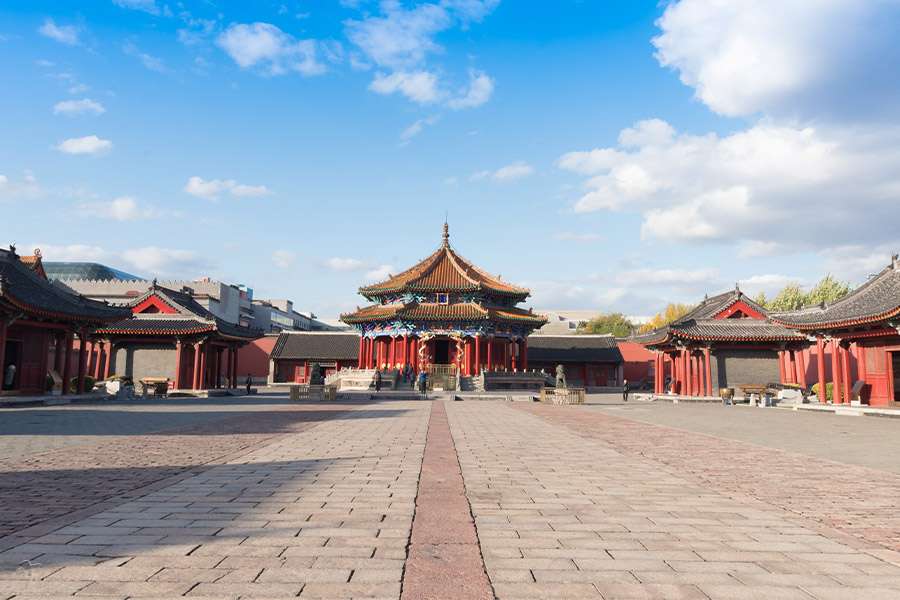
四个多世纪以来,沈阳故宫一直是历史的有力象征,也是清朝的发祥地。沈阳故宫位于辽宁省省会沈阳市。沈阳是中国东北最大的都市,人口超过900万,这座宫殿在中国文化遗产中占据着重要篇章。
沈阳故宫始建于1625年,最初是清初统治者的皇宫。北京成为国都之后,沈阳被尊为“陪都”。1926年,当时的盛京皇宫改建为沈阳故宫博物院,并于1929年向公众开放。1955年,这座历史建筑群被正式确立为重要文化机构。今年夏天,为庆祝沈阳故宫博物院建院一百周年,这些历史殿堂迎来了中国当代最杰出的艺术家之一。
开幕式暨学术研讨会隆重举行
2026年7月2日,“象外之形:张辉写意花鸟画展”开幕式暨学术研讨会在沈阳故宫博物院隆重举行。展览设在师善斋和协中斋院落,传统建筑空间为100多件中国传统艺术作品提供了富有历史气息、令人振奋的展示环境。
张辉教授是鲁迅美术学院的著名艺术家和教育家,是中国东北最受尊敬的当代画家和学者之一。他以精通写意花鸟画而闻名。写意花鸟是中国传统绘画风格,常被译为“描绘意念”。通过富有表现力和自发性的笔触,张辉不仅捕捉花朵、鸟类和自然的外在形态,也捕捉它们的精神本质、情感氛围和内在生命力。他的作品深深植根于中国传统艺术哲学,在历史技法与当代艺术精神之间展开对话。
本次展览汇聚了来自中国和世界各地的100多位艺术家和贵宾,400多名观众参加了开幕活动。这是沈阳故宫有史以来举办的规模最大的当代写意花鸟画大师个人展览,展品的数量和水准均居博物院历史前列。重点展品包括《百猴图》《兰竹颂》和《十二生肖》,以及众多大幅写生作品和其他名作。这些画作受到收藏家和艺术爱好者的广泛赞赏。
众多嘉宾出席开幕式
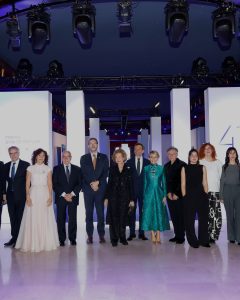
出席开幕式并参加致辞和剪彩仪式的嘉宾包括:沈阳故宫博物院院长郑清伟;参展艺术家、鲁迅美术学院教授张辉;鲁迅美术学院中国画学院院长赵斌;著名艺术评论家、沈阳故宫博物院名誉院长李仲元;著名书画家徐勇;中国工笔画学会名誉会长、著名画家冯大中;辽宁省美术家协会主席Wang Yini;辽宁省书法家协会主席胡崇伟;全国政协常委、辽宁省政协原副主席江笑琴;中共辽宁省委宣传部原副部长、省委和省政府原新闻发言人葛本亮;沈阳市原副市长李保全;辽宁省委原副秘书长李谦。
其他出席的领导、艺术家、收藏家和贵宾还包括Lv Ziyang、Wang Hong、Zhao Baoping、Wang Jian、Zhao Lixin、Shi Suomin、Su Deyong、Li Yang、Zhu Chengguo、Zhao Bohai、Lu Lin、Wang Xin、Fu Honglie、Xu Ping、You Zhichao、Li Xuewei、Bai Sulan、Lu Zhixue、Qi Guanliang、Luan Rang、Liu Dongying、Song Huiying、Yang Deheng、Yang Haibin、Yang Baolin、Dong Xun、Shangguan Zhenzhen、Qiu Taoyuan和Zhang Jieyou等。
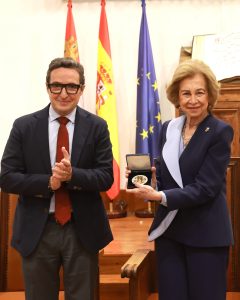
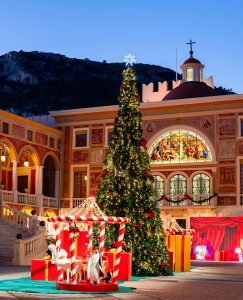
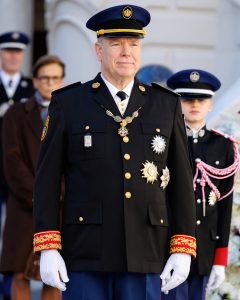
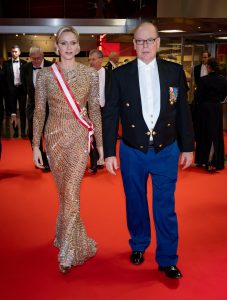
张辉教授的学生朱俊英专程从美国来到沈阳,参加这一历史性活动。朱俊英被许多朋友所熟知,在美国人们称他为“Kevin”,他也被视为一位“当代马可·波罗”式的人物。他不仅是一位艺术大师,也是一位社区领袖,致力于通过民间合作、文化交流和相互理解加强中美关系。正如摩纳哥卡罗琳公主向文化人士颁授文化功绩勋章所显示的,世界各地都在以荣誉表彰艺术成就,艺术始终是连接人心的桥梁。
展览将于2026年7月2日至7月30日举行。主办方相信,将有数千名观众前来欣赏这些名作,体验沈阳故宫独特的文化氛围。今年夏天,从沈阳的这场大展到在比佛利山庄举行的硅谷AI电影节,各类艺术活动正在把不同文化背景的人们聚到一起。
对我这位“当代马可·波罗”来说,我最伟大的冒险之一始于2007年,当时沈阳成为我访问的第一个中国城市。在那次旅途中,我走进沈阳故宫,参观沈阳故宫博物院,寻找珍宝。不是金银珍宝,而是艺术、文化和历史的珍宝,最重要的是人与人、国与国之间缔结的友谊。这些联系是我所发现的最宝贵的财富,也让我一次次回到中国。
Mark Rafter 博士
“当代马可·波罗”
English
By Dr. Mark A. Rafter
By Dr. Mark A. Rafter, Editorial DirectorPart of an ongoing series introducing contemporary Chinese artists and cultural heritage to international audiences.
For more than four centuries, the Shenyang Imperial Palace has stood as a powerful symbol of history and as the birthplace of the Qing Dynasty. Located in Shenyang, the capital of Liaoning Province and the largest metropolis in Northeast China with more than 9 million residents, the palace represents a remarkable chapter in China’s cultural heritage.
The Shenyang Imperial Palace was built in 1625 and originally served as the imperial residence of the early Qing rulers. After Beijing became the national capital, Shenyang was recognized as the “Secondary Capital.” In 1926, what was then the Mukden Palace was transformed into the Shenyang Imperial Palace Museum, which opened to the public in 1929. The historic complex was officially recognized as a major cultural institution in 1955.
This summer, these historic halls welcomed one of China’s most accomplished contemporary artists as part of the celebration marking the centennial of the founding of the Shenyang Imperial Palace Museum.
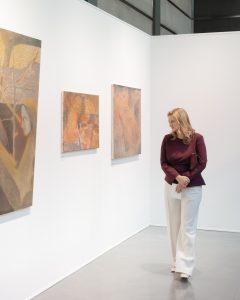
The grand opening ceremony and academic seminar for “Beyond Imagery Form: Zhang Hui’s Freehand Flower-and-Bird Painting Exhibition” were held at the Shenyang Imperial Palace Museum on July 2, 2026. The exhibition was presented in the Shishan and Xiezhong House courtyards, traditional architectural spaces that provided a historic and inspiring setting for more than 100 works of traditional Chinese art.
Professor Zhang Hui, a prominent artist and educator from the Lu Xun Academy of Fine Arts, is one of Northeast China’s most respected contemporary painters and scholars. He is widely recognized for his mastery of Xieyi Huaniao, the traditional Chinese freehand flower-and-bird painting style often translated as “sketching thoughts.”
Through expressive and spontaneous brushwork, Zhang Hui captures not only the physical appearance of flowers, birds, and nature, but also their spiritual essence, emotional atmosphere, and inner vitality. Deeply rooted in traditional Chinese artistic philosophy, his work creates a dialogue between historical techniques and the contemporary artistic spirit.
The exhibition brought together more than 100 artists and distinguished guests from China and abroad, along with more than 400 visitors attending the opening events.
The exhibition is the largest solo exhibition by a contemporary master of freehand flower-and-bird painting ever presented at the Shenyang Imperial Palace. It features one of the most extensive collections and highest-caliber selections of artwork displayed in the museum’s history.
Among the featured masterpieces are “One Hundred Monkeys,” “Ode to Orchids and Bamboos,” and “The Twelve Chinese Zodiac Animals,” along with numerous large-scale sketches and other celebrated works. These paintings have received widespread appreciation from collectors and art enthusiasts.
The opening ceremony welcomed distinguished leaders, artists, scholars, collectors, and cultural representatives who participated in speeches and the ribbon-cutting ceremony.
Among the distinguished guests were:
Zheng Qingwei, Director of Shenyang Imperial Palace Museum; Zhang Hui, Exhibiting Artist and Professor at Lu Xun Academy of Fine Arts; Zhao Bin, Dean of the Chinese Painting School, Lu Xun Academy of Fine Arts; Li Zhongyuan, renowned art critic and Honorary Director of Shenyang Imperial Palace Museum; Xu Yong, celebrated calligrapher and painting artist; Feng Dazhong, Honorary Chairman of the China Fine Brushwork Painting Society and renowned painter; Wang Yini, Chairman of Liaoning Artists Association; Hu Chongwei, Chairman of Liaoning Calligraphers Association; Jiang Xiaoqin, former Member of the Standing Committee of the National Committee of the Chinese People’s Political Consultative Conference and former Vice Chairman of Liaoning Provincial Committee of the CPPCC; Ge Benliang, former Vice Minister of the Publicity Department of the CPC Liaoning Provincial Committee, former spokesperson of Liaoning Provincial Party Committee and Provincial People’s Government; Li Baoquan, former Vice Mayor of Shenyang City; and Li Qian, former Deputy Secretary-General of Liaoning Provincial Party Committee.
Additional attending leaders, artists, collectors, and distinguished guests included Lv Ziyang, Wang Hong, Zhao Baoping, Wang Jian, Zhao Lixin, Shi Suomin, Su Deyong, Li Yang, Zhu Chengguo, Zhao Bohai, Lu Lin, Wang Xin, Fu Honglie, Xu Ping, You Zhichao, Li Xuewei, Bai Sulan, Lu Zhixue, Qi Guanliang, Luan Rang, Liu Dongying, Song Huiying, Yang Deheng, Yang Haibin, Yang Baolin, Dong Xun, Shangguan Zhenzhen, Qiu Taoyuan, and Zhang Jieyou.
Professor Zhang Hui’s student, Zhu Junying, traveled from the United States to Shenyang to participate in this historic event. Known by many friends and the Modern-Day Marco Polo in America as “Kevin.” Mr. Zhu is not only a master artist but also a community leader dedicated to strengthening China-U.S. relationships through people-to-people cooperation, cultural exchange, and mutual understanding.
[PHOTO – Professor Zhang Hui and Zhu Junying]
The exhibition will run from July 2 through July 30, 2026. Organizers believe thousands of visitors will come to experience these celebrated works of art and the unique cultural atmosphere of the Shenyang Imperial Palace.
For me, as the Modern-Day Marco Polo, one of my greatest adventures began in 2007 when Shenyang became the first city in China I visited. During that journey, I walked through the Shenyang Imperial Palace and toured the Shenyang Imperial Palace Museum searching for treasures-not treasures of gold or silver, but treasures of art, culture, history, and most importantly, the friendships created between people and nations.
Those connections remain the greatest treasures I have discovered and continue to bring me back to China.
Dr. Mark A. Rafter
The Modern-Day Marco Polo
原文发表于 News Today World,作者为 Mark Rafter 博士。






















Be First to Comment