
作者:Mark Rafter 博士(Dr. Mark A. Rafter)
本文是我们正在连载的中国艺术、文化、舞蹈与音乐系列报道中的又一篇。
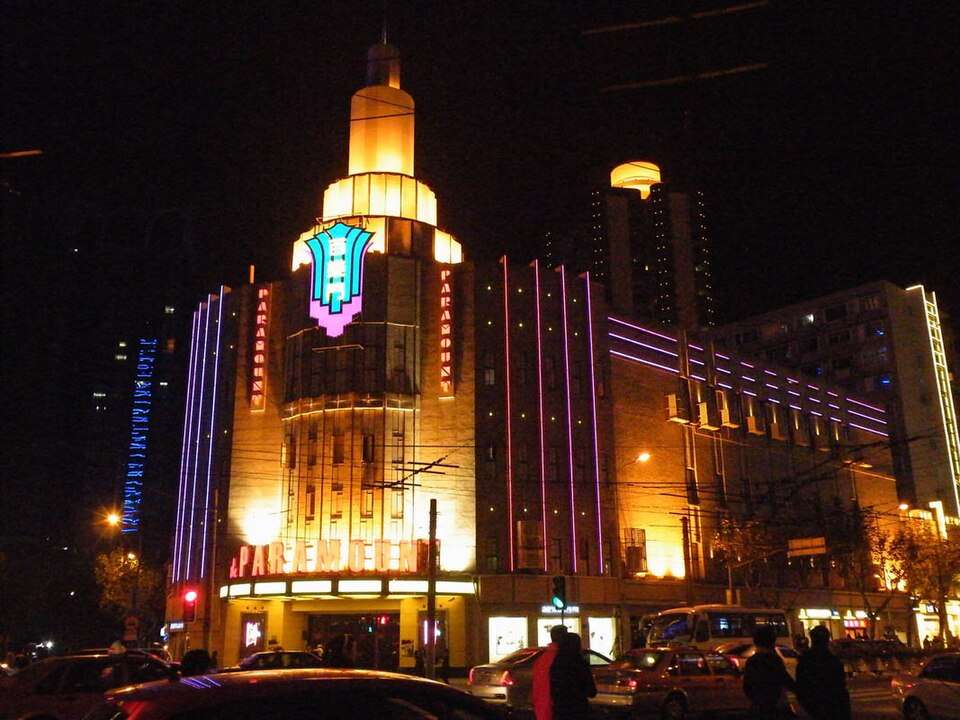
我记得去中国旅行时,从参观长城回来的大巴上,我注意到高层公寓楼外、被绿化带隔开的内部街道旁,有一群群人似乎在跳正式的舞蹈。委婉地说,我觉得这有点不一样。后来在同一次旅行中,我第一次到访上海,我们一行人决定晚饭后出去散步。那是在一个陌生城市的晚上9点以后。在美国的许多城市,我会为此犹豫再三。然而,在我走过40个国家和美国全部50个州的全部旅行中,我发现中国是我经历过最安全的地方之一。当我们穿过上海时,路过了一座新的电影院综合楼。有人在台阶上用一台手提音响放着音乐,门前一大片铺砌的空地上,人们正在跳慢舞。当我们一行人经过时,其中一位女士拉住了我。突然之间,我不再是观看中国舞蹈文化的人,我成了它的一部分。在接下来的一个小时里,我从一位舞伴转到另一位舞伴,伴着各种版本的华尔兹跳慢舞。我的舞技也许有限,但现场有的是欢笑、微笑,还有一种陌生人被接纳进他们夜晚的明确感觉。和我身上经常发生的事情一样,这段经历带来了问题:为什么舞蹈对这些人如此重要?回到酒店后,我的朋友Panda Zhou和我们的翻译一起坐下来与我喝茶,开始分享上海的一些文化和历史。他在上海长大,年轻时做过记者,后来被召唤到北京。Panda Zhou解释说,上海在许多方面就像中国的巴黎:一座高雅、精致的城市,舞蹈长期以来是其社会和文化生活的一部分。他说,如果你想了解其中一些历史,你需要知道百乐门(The Paramount)。百乐门开业于1933年上海的装饰艺术时代,成为这座城市最负盛名的舞厅、舞场和夜总会之一。它被誉为“百乐之门”,在黄金时代享誉国际,吸引了名人、政界人士和上海社会名流。几十年后,这座文化地标得到修复,内部经过翻新,恢复了昔日的大部分风采。Panda Zhou那天晚上给我的,是我对上海正式舞蹈传统背后的文化和历史的第一次浅尝。
但我在中国街头和公共空间所见证的,是这个故事的另一部分。为了更好地理解我的所见,我后来更多地了解了一种通常被称为广场舞(Guangchangwu)的文化现象。它与美国人通常认为的方块舞非常不同。广场舞不是由一名领舞者指挥四对舞者按规定顺序跳舞,而是可以包括人们聚集在公共空间,伴着音乐活动身体、锻炼、社交,并跳许多不同风格的舞蹈。这帮助我理解了自己一直在看的东西。中国的公共空间可以成为人们锻炼、社交、听音乐和一起跳舞的聚集地。在不同的地方、不同的人群中,舞蹈可能融入民间传统、有氧运动,或华尔兹、探戈、伦巴等交谊舞风格的元素。最打动我的是,普通的公共空间如何突然变成舞台。一条人行道。一条绿化带。电影院的台阶。一片铺砌的广场。或者成都著名的人民公园。白天可能只是人们路过的地方,到了夜晚可以因音乐、律动和社区而活跃起来。我也更加体会到那天晚上在上海发生在我身上的事情。被拉进舞蹈,并不取决于这位美国访客是否知道所有正确的舞步。舞蹈和音乐一样,可以成为一种通用语言。在那一个小时里,没有真正的语言障碍。有的是微笑、节奏、欢笑和共享此刻的愉悦。音乐本身的范围也很广,从普通话流行歌曲、老电影音乐,到为不同舞蹈节奏改编的传统旋律。根据群体和场合的不同,舞者们可能先跳较慢的华尔兹,然后转入探戈、伦巴或其他受交谊舞启发的风格。也可能有经验丰富的舞者帮助他人学习,有些聚会组织得相当有序。但我学到的是,不要试图用一次经历或一种解释来定义全部中国公共舞蹈。中国太大了,文化太多样了,不可能那样做。对我重要的是我亲眼所见的东西:舞蹈在我到访的公共空间里鲜明地活着。而多年以后,我会遇见一个人,她把这种文化优雅与精致的另一个维度带入生活。她的名字叫Ling Li。
Ling Li:坚强、独立而优雅的商业精英
我第一次见到Ling Li是在南加州的一场活动上,她当时是著名中国歌手Lu Yafen的经纪人,Lu Yafen常被称为“小邓丽君”。我们互加了微信,保持联系,随着时间推移成了亲密的朋友。Ling Li是一位非凡的女性,她的故事早在我于南加州遇见她之前就开始了。Ling出生于一个显赫的中国家庭,有着杰出的政府背景,她六岁时就登上舞台,在中国做童星演员和模特。那些童年经历帮助她培养了对舞台、舞蹈、音乐、美和艺术表达的终身热爱。它们也开始塑造她的自信、气场和与人连接的能力,这些在她成年后的生活中变得显而易见。随着年龄增长,Ling继续发展她的艺术个性和个人气场。她成为一位杰出的社会人物,并被评为“中国小姐”(Miss China)。但头衔和认可只讲述了她故事的一部分。舞蹈仍然是她生命中最深、最持久的热情之一。Ling探索过许多舞蹈形式,包括芭蕾、交谊舞、萨尔萨、巴恰塔和西海岸摇摆舞,最终发现了阿根廷探戈。
对我来说,Panda Zhou最初通过上海和百乐门向我描述的那种优雅,与我后来在Ling身上看到的那种精致之间,有一种有趣的联系。它们被世代和地理分隔,但舞蹈提供了一条文化的线索。
然而,Ling Li还有另一面,理解这一面有助于解释优雅背后的力量。Ling十七岁就进入商界,通过一家美国大公司接受专业培训,从事与房地产和国际贸易相关的工作。从很年轻的时候起,Ling就懂得投资自己的重要性,不仅仅是财务上的投资,还包括教育、经验和持续的个人发展。她的兴趣日益扩展到金融和投资,特别是金融市场和证券。随着时间推移,她在股票、房地产、基金和其他形式的资产方面积累了经验和知识。在中国为那家美国公司工作期间,Ling的潜力和抱负得到认可,她获得了去纽约攻读四年MBA课程的支持。那段经历成为她日益跨越文化和国界的人生中的又一章。移居加拿大后,Ling继续建立独立的生活,同时扩展她在金融和房地产方面的经验。在过去十年里,她还投入了相当多的注意力研究和交易实物贵金属,特别是黄金和白银。Ling对有形资产的兴趣成为一种更宏大哲学的组成部分,关乎财富、价值、多元化,以及理解如何建立长期的安全感。但Ling的人生并不只是一连串成就的集合。像大多数建立了有意义事业的人一样,她经历过挑战、挫折,以及必须靠自己的力量和决心重建的时刻。那些经历帮助塑造了她对人的哲学。Ling不相信隔岸观火地给建议,她认为有意义的指导来自把哲学与真实人生经验结合。她对人有一种本能的理解,还拥有另一份上天赐予的宝贵资产:一个能改变整个房间气氛的微笑。社会各阶层的人都向她请教。多年来,Ling指导过学生、成年人和成功人士,鼓励他们变得更自信、更真实,更意识到自己生活和关系的品质。她特别感兴趣的领域之一,是男女之间更深层的关系:连接与独立、信任与个性、力量与敏感之间的平衡。而这又把我们带回到舞蹈。
舞蹈的艺术
阿根廷探戈已经成为Ling Li哲学的一种重要表达。对Ling来说,探戈不只是执行舞步。它关乎沟通。它关乎引领与回应。独立与信任。连接与个性。两个人必须一起移动,同时任何一方都不停止做一个独立的个体。也许这就是探戈如此自然地适合Ling的原因。这位学会了独立的商业精英也懂得伙伴关系。这位花了多年时间研究投资和有形价值的女性明白,人生中一些最伟大的价值无法放进财务报表。而这位六岁就第一次登上舞台的表演者,继续通过每一个人、每一段关系、每一支舞来学习。Ling把其中一些原则带入她与学生和成功人士的工作中,用探戈作为探索关系动态和她所说的更深层灵魂连接的另一种方式。Ling的哲学也认识到,教导和影响他人从来不是单向的过程。当Ling与人们分享她的经验时,她也在继续向他们学习。因此,影响他人和完善自己成为同一段持续旅程的组成部分,这段旅程扩展着她对生活、关系、个人成长,以及带着自信、优雅和品质生活的艺术的理解。
作为现代马可·波罗,我认识到,搭建桥梁并不总是要求把同一种语言说得完美无缺。有时,它只需要愿意用心去尝试,并对中国文化和中国人民怀有真诚的热爱和尊重。许多年前,我当然不会说上海那家电影院外跳舞的那些女士们的语言。然而不知怎的,在一个小时里,我们沟通得很好。而当我朝着有朝一日拍摄现代马可·波罗电影的方向前进时,我常常想,电影里必须有一场舞蹈戏。当选角要找一位不仅能表演专业舞蹈、还能以强大的舞台存在感掌控银幕的人时,Ling径直从中央选角部走出来一般合适。对于任何考虑把正式舞蹈作为未来项目一部分的电影业人士,Ling无疑是我会推荐的人。我常谈起祖父把马可·波罗地图给我、送我踏上寻宝冒险的故事。但也许那张地图从来不是真的要把我引向金子或银子。宝藏是旅程本身:沿途成为理解之桥的友谊、艺术、文化、舞蹈和音乐。多年前,在上海一片铺砌的广场上,我出乎意料地被拉进一支舞,开始追问一种我想更好理解的文化。多年以后,那段旅程让我结识了一位心地善良、才华横溢、优雅精致的女性,名叫Ling Li。现代马可·波罗再一次发现,最大的宝藏并不总是我们最初出发寻找的那些。有时,真正的宝藏是友谊。
相关阅读:2026硅谷AI电影节在比佛利山庄举行 颁出13项大奖
相关阅读:卡罗琳公主在王宫蓝厅向13位文化人士颁授文化功绩勋章
English
By Dr. Mark A. Rafter
This is another article in our ongoing series exploring Chinese Art, Culture, Dance and Music.
When I traveled to China, I remember riding the bus back from visiting the Great Wall and noticing groups of people outside high-rise apartment buildings, along inner streets separated by medians, doing what appeared to be formal dancing. To put it mildly, I thought it was a little different. Later on, that same trip, during my first visit to Shanghai, our group decided to take a walk after dinner. It was after 9 p.m. in a strange city. In many urban cities in the United States, I would have thought twice about doing that. Yet in all my travels to 40 countries and all 50 U.S. states, I found China to be one of the safest places I had ever experienced. As we walked through Shanghai, we passed a new movie theater complex. Someone had a boom box playing music on the steps, and out front, across a huge, paved area, people were slow dancing.
As our group passed, one of the ladies grabbed me. Suddenly, I wasn’t watching Chinese dance culture. I was part of it. For the next hour, I was passed around from dance partner to dance partner, slow dancing to various renditions of the waltz. My dancing ability may have had its limitations, but there was plenty of laughter, smiles and an unmistakable feeling that a stranger had been welcomed into their evening. As so often happens with me, the experience created questions. Why was dance so important to these people? When we returned to the hotel, my friend Panda Zhou sat down with me for a little tea, along with our interpreter, and began sharing some of the culture and history of Shanghai. He had grown up in Shanghai and had been a young reporter before being summoned to Beijing. Panda Zhou explained that Shanghai was in many ways like the Paris of China-a classy, sophisticated city where dance had long been part of its social and cultural life. And if you wanted to understand some of that history, he told me, you needed to know about The Paramount. Opened in 1933 during Shanghai’s Art Deco era, The Paramount became one of the city’s most prestigious ballrooms, dance halls and nightclubs. Known as the “Gateway to a Hundred Pleasures” and internationally celebrated during its golden age, it attracted celebrities, politicians and members of Shanghai society. Decades later, the cultural landmark was restored, with its interior renovated to recapture much of its former grandeur. What Panda Zhou gave me that evening was my first light touch of understanding about the culture and history behind Shanghai’s formal dance tradition.
But what I had witnessed on the streets and public spaces of China was another part of the story.
In trying to better understand what I had experienced, I later learned more about the cultural phenomenon commonly called Guangchangwu, which translates as “square dancing” or “plaza dancing.” It is very different from what Americans generally think of as square dancing.
Rather than a caller directing four couples through a prescribed sequence, Guangchangwu can encompass groups gathering in public spaces for music, movement, exercise, social interaction and many different styles of dance. That helped me understand what I had been seeing.
China’s public spaces can become gathering places where people exercise, socialize, listen to music and dance together. In different places and among different groups, the dancing may incorporate folk traditions, aerobic movement or elements of ballroom styles such as the waltz, tango and rumba. What struck me most was how ordinary public spaces could suddenly become stages. A sidewalk. A median. The steps of a theater. A paved plaza. Or Chengdu’s famous People’s Park. Places that during the day might simply be spaces people walk through can come alive with music, movement and community. I also came to better appreciate what had happened to me that evening in Shanghai. Being pulled into the dancing wasn’t about whether this American visitor knew all the proper steps. Dance, much like music, can become a universal language. For that hour, there was no real language barrier. There were smiles, rhythm, laughter and the shared enjoyment of the moment. The music itself can range widely, from Mandarin popular songs and older movie music to traditional melodies adapted for different dance rhythms. Depending upon the group and setting, dancers may move through slower waltzes and then into tango, rumba or other ballroom-inspired styles. There can also be experienced dancers helping others learn, with some gatherings becoming quite organized. But what I learned was not to try to define all of Chinese public dancing through one experience or one explanation. China is far too large and culturally diverse for that. What mattered to me was what I had personally witnessed: dance was visibly alive in the public spaces I visited. And years later, I would meet someone who brought another dimension of that cultural elegance and sophistication to life.
Her name was Ling Li.
I first met Ling Li at a Southern California event where she was the manager for a Lu Yafen a famous Chinese singer often called the “Little Teresa Teng. We exchanged WeChat information, stayed in touch and, over time, became dear friends.
Ling Li is an amazing woman whose story began long before I met her in Southern California. Born into a prominent Chinese family with a distinguished government background, Ling stepped onto the stage when she was only six years old, performing as a child actress and model in China.
Those childhood experiences helped develop a lifelong love for the stage, dance, music, beauty and artistic expression. They also began shaping the confidence, presence and ability to connect with people that would become evident throughout her adult life. As she grew older, Ling continued developing both her artistic identity and personal presence. She became a prominent social figure and was recognized as Miss China. But titles and recognition tell only part of her story. Dance remained one of the deepest and most enduring passions in her life. Ling explored numerous forms of dance, including ballet, ballroom, Salsa, Bachata and West Coast Swing before eventually discovering Argentine Tango.
For me, there is an interesting connection between the elegance Panda Zhou first described to me through Shanghai and The Paramount and the sophistication I later saw expressed through Ling. They are separated by generations and geography, yet dance provides a cultural thread.
There is another side to Ling Li, however, and understanding that side helps explain the strength behind the elegance. Ling entered the business world at only seventeen and received professional training through a major American company, working in areas related to real estate and international trade. From an early age, Ling understood the importance of investing in herself-not simply financially, but through education, experience and continuous personal development.
Her interests increasingly expanded into finance and investment, particularly financial markets and securities. Over time, she developed experience and knowledge involving stocks, real estate, funds and other forms of assets. While working with the American company in China, Ling’s potential and ambition were recognized, and she received support to pursue four years of MBA studies in New York. That experience became another chapter in a life increasingly crossing cultures and borders. After moving to Canada, Ling continued building an independent life while expanding her experience in finance and real estate. During the past decade, she has also devoted considerable attention to studying and trading physical precious metals, particularly gold and silver. Ling’s interest in tangible assets became part of a larger philosophy about wealth, value, diversification and understanding how to build security over the long term. But Ling’s life has not simply been a collection of accomplishments. Like most people who have built something meaningful, she has experienced challenges, setbacks and moments when she had to rebuild through her own strength and determination. Those experiences helped shape her philosophy about people. Rather than giving advice from a distance, Ling believes meaningful guidance comes from combining philosophy with actual life experience. She has an instinctive understanding of people and possesses another great God-given asset-a smile that can change a room. People from many levels of society seek her counsel. Over the years, Ling has guided students, adults and successful individuals, encouraging them to become more confident, authentic and aware of the quality of their lives and relationships. One of the areas that particularly interests her is the deeper relationship between men and women-the balance between connection and independence, trust and individuality, strength and sensitivity.
And that brings us back to dance.
Argentine Tango has become an important expression of Ling Li’s philosophy. For Ling, Tango isn’t simply about executing dance steps. It is about communication. It is about leading and responding. Independence and trust. Connection and individuality. Two people must move together without either person ceasing to be an individual. Perhaps that is why Tango fits Ling so naturally. The business professional who learned independence also understands partnership. The woman who has spent years studying investment and tangible value understands that some of life’s greatest values cannot be placed on a financial statement. And the performer who first stepped onto a stage at six years old continues to learn through every person, every relationship and every dance. Ling brings some of these principles into her work with students and successful individuals, using Tango as another way to explore relationship dynamics and what she describes as a deeper soul connection. Ling’s philosophy also recognizes that teaching and influencing others is never a one-way process. As Ling shares her experiences with people, she continues learning from them. Influencing others and improving herself therefore become parts of the same continuing journey-one that expands her understanding of life, relationships, personal growth and the art of living with confidence, elegance and quality.
As the Modern-Day Marco Polo, I have learned that building bridges doesn’t always require speaking the same language perfectly. Sometimes it simply requires caring enough to try and having a sincere love and respect for Chinese culture and the Chinese people.
I certainly didn’t speak the language of those women dancing outside that Shanghai movie theater many years ago. Yet somehow, for an hour, we communicated just fine. And as I move toward someday doing the Modern-Day Marco Polo movies, I have often thought there will have to be a dance scene. When casting looks for someone who can not only perform professional dance but command the screen with enormous stage presence, Ling comes straight out of Central Casting.
For anyone in the movie business considering formal dance as part of a future project, Ling is certainly someone I would recommend.
I often talk about my grandfather giving me the Marco Polo Map and sending me on an adventure in search of treasure. But perhaps the map was never really leading me toward gold or silver. The treasure was the journey itself-the friendships, art, culture, dance and music that became bridges of understanding along the way. Years ago, on a paved plaza in Shanghai, I was unexpectedly pulled into a dance and began asking questions about a culture I wanted to better understand. Years later, that journey introduced me to a kindhearted, talented and sophisticated woman named Ling Li. Once again, the Modern-Day Marco Polo discovered that the greatest treasures aren’t always the ones we originally set out to find.
Sometimes, the real treasure is friendship.
原文发表于 News Today World,作者为 Mark Rafter 博士。
























Be First to Comment