
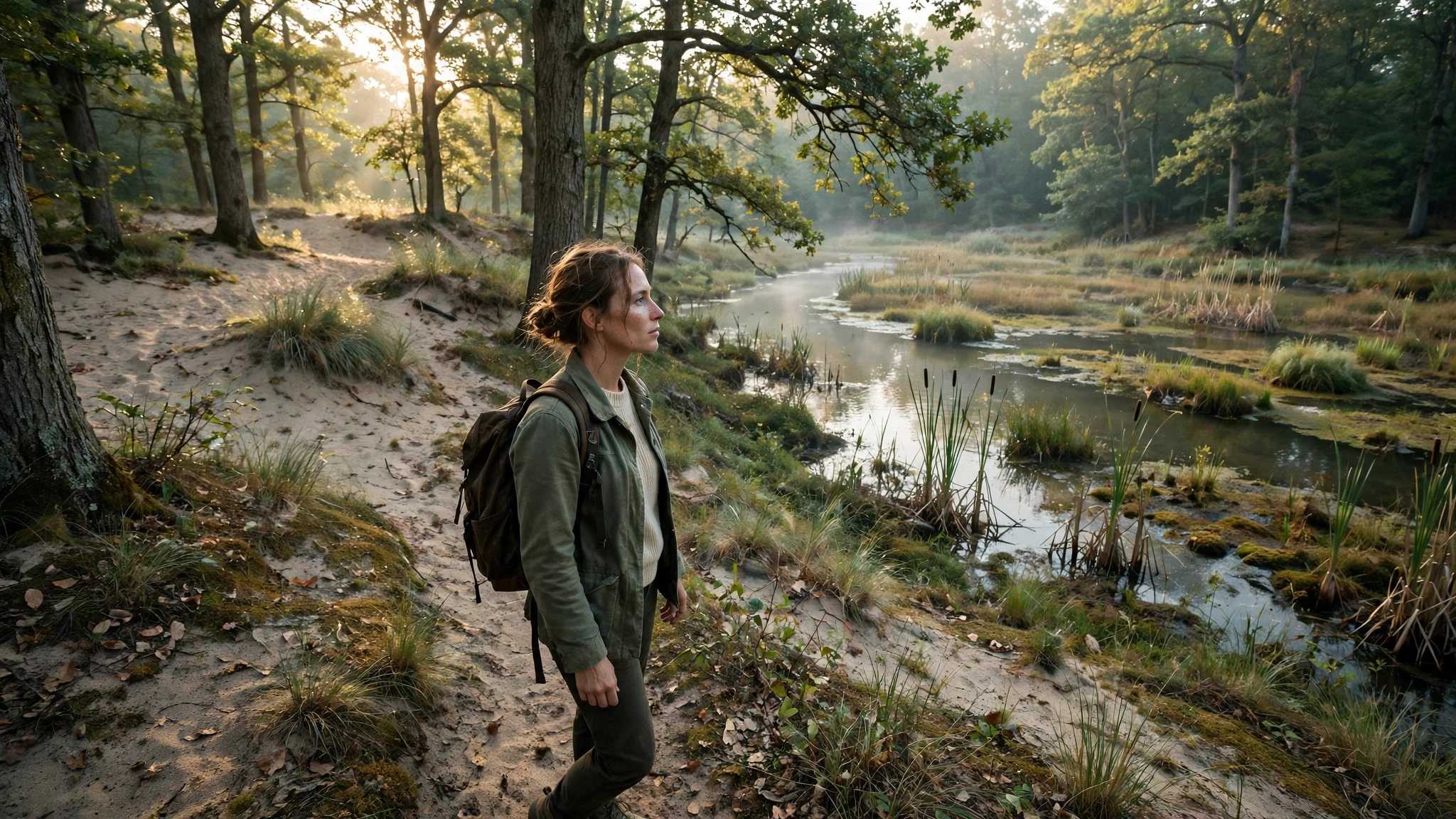
Sycamore 土地信托基金已永久保护马丁沙丘森林(Martin Dune Forest),这是一块占地 195 英亩的土地,位于印第安纳州门罗县西北部,靠近 Beanblossom Creek 在戈斯波特附近汇入怀特河(White River)的地方。据《先驱时报》(The Herald-Times)2026 年 11 月 23 日报道的社区公告,这项保护使 Beanblossom Creek 保护区的面积扩大到 2,600 多英亩,并使该土地信托自 1990 年成立以来在印第安纳州南部永久保护的土地总量超过 12,015 英亩。
这块土地对印第安纳州来说并不寻常。它的森林沙丘由数千年前的风吹沙堆积而成,195 英亩中约有 145 英亩是林地。沙丘之间分布着由地下水补给的湿地,还有溪流和以前的农田。该地块上的动植物适应沙质土壤,这种栖息地类型在该州只有少数几个地方还存在。
Sycamore 的工作人员在一次持续两个半小时的单次调查中记录了 60 种鸟类。这些树林为候鸟提供了筑巢和中途停歇的栖息地,其中包括蓝翅虫森莺和东美夜鹰,两者都在公告中被列为需要保护关注的物种。这些森林和湿地也适合印第安纳蝙蝠,这是一种联邦濒危物种,也适合其他被列为受威胁的蝙蝠物种。
这块土地是通过马丁家族来到信托基金的。已故的约翰和诺玛·马丁珍视这块土地的森林和湿地,他们的子女迈克尔、萨拉、蒂姆和玛莎将家族的承诺延续到了这次保护行动。马丁家的兄弟姐妹在公告中说:”我们的父亲珍惜他长大的这片土地,希望与子孙后代分享他在那里找到的快乐。”约翰·马丁还在门罗县仁人家园(Habitat for Humanity)成立初期担任过该组织的主席,该组织成立于 1988 年。本站近期的王室与文化报道包括西班牙国王费利佩六世参观马德里塞万提斯沉浸式展览。
Sycamore 的土地保护主任汤姆·斯温福德(Tom Swinford)描述了这块土地与周边保护区的契合之处。斯温福德说:”保护马丁沙丘森林是我们 Beanblossom Creek 保护区工作向前迈出的令人兴奋的一步。经过多次交谈和实地考察,我们对这片土地以及世代守护它的这个家族的敬意与日俱增。这块土地本身就很特别,但当它成为一个更大的受保护土地网络的一部分时,它的保护价值会进一步增长。”
这种更大的格局才是这笔交易真正的算术。一块 195 英亩的土地可以容纳一片湿地或一道沙丘脊线。当它与 2,600 英亩受保护的森林、湿地和草原相连时,它就成为一条走廊的一部分,野生动物可以在觅食地和繁殖地之间移动,溪流和怀特河西支流也可以流经受保护的河岸,帮助保持水质清洁。Sycamore 沿 Beanblossom Creek 的工作始于 1993 年,当地环保人士芭芭拉·雷斯特尔(Barbara Restle)捐赠了第一块土地,她最近去世,享年 100 岁。她开启的这个网络现在覆盖了 2,600 多英亩。
该信托基金自己的网站显示,其更广泛的记录包括 150 多处地产,在印第安纳州南部的 13 个公共自然保护区内有 30 多英里的免费徒步小径。马丁沙丘森林的公告使永久保护的总面积达到 12,015 英亩,该组织会随着每一块新土地的完成而更新这一数字。本站关于青年与公共服务的报道,例如卢森堡大公接见联合国儿童基金会青年大使,也记录了类似的长期社区投入。
保护是工作的开始,而不是结束。Sycamore 计划在马丁沙丘森林开展栖息地恢复和长期管理工作,首先是对以前的农田进行重新造林。工作人员将控制入侵物种,在不同季节开展植物和野生动物调查,并培育沙丘和湿地栖息地所依赖的本地植物群落。其既定目标是改善候鸟以及受威胁和濒危野生动物的栖息地,同时保护 Beanblossom Creek 和怀特河流域。
该信托基金本月在同一溪流系统内也很忙碌。11 月 6 日,约 30 人聚集在一起,参加其位于门罗县北部的鲍威尔保护区(Powell Preserve)的重新开放仪式,该保护区已经关闭了五年。2021 年的一场暴雨使溪流改道,侵蚀了河岸并摧毁了停车场,信托基金选择重建河床,而不是简单地修复停车场。工作人员将溪流恢复到原来的河道,种植了本地物种,并重新开放了这个拥有林木山丘、沟壑、本地草原和湿地的保护区。这 68 英亩土地由帕特里夏·鲍威尔(Patricia Powell)于 2003 年捐赠,她的两位家人出席了重新开放仪式。马丁沙丘森林现在加入了同一个 Beanblossom Creek 保护区,一次增加几英里的受保护溪岸。
该信托基金的下一个公共里程碑已经在建设中。其位于门罗县多兰附近的卡尔·齐格勒湿地与教育中心(Carl Ziegler Wetlands and Education Center)计划于 2027 年开放,设有室内和室外教室以及沿 Beanblossom Creek 恢复的湿地,为教育项目在马丁家族刚刚帮助保护的同一流域提供一个永久的家。
English
Martin Dune Forest Adds 195 Acres to Protected Indiana Land
Sycamore Land Trust has permanently protected the Martin Dune Forest, a 195-acre property in northwestern Monroe County, Indiana, near where Beanblossom Creek meets the White River by Gosport. The protection, announced in a community notice covered by The Herald-Times on November 23, 2026, expands the Beanblossom Creek Conservation Area to more than 2,600 acres and takes the land trust past 12,015 acres protected across southern Indiana since its founding in 1990.
The property is unusual ground for Indiana. Its forested dunes were built from windblown sand thousands of years ago, and about 145 of its 195 acres are wooded. Groundwater-fed wetlands sit between the dunes, along with streams and former farm fields. Plants and animals on the site are adapted to sandy soils, a habitat type that survives in only a few places in the state.
Sycamore staff counted 60 bird species during a single survey that lasted two and a half hours. The woods give nesting and stopover habitat to migratory birds that include cerulean warblers and eastern whip-poor-wills, both named in the announcement as species of conservation concern. The forests and wetlands also suit the Indiana bat, a federally endangered species, and other bat species classed as threatened.
The land came to the trust through the Martin family. The late John and Norma Martin valued the property’s forests and wetlands, and their children Michael, Sarah, Tim and Martha carried the family’s commitment through to this protection. “Our dad treasured the land where he grew up and wanted to share the joy he found there with generations to come,” the Martin siblings said in the announcement. John Martin also served as president of Habitat for Humanity of Monroe County in that organization’s early years, after its founding in 1988.
Tom Swinford, Sycamore’s land preservation director, described the fit with the surrounding conservation area. “Protecting Martin Dune Forest is an exciting step forward for our work in the Beanblossom Creek Conservation Area,” Swinford said. “After conversations and site visits, our admiration grew, for both the land and the family who has stewarded it for generations. This property is special in its own right, but its conservation value grows when it becomes part of a larger protected network of land.”
That larger pattern is the real arithmetic of this deal. A single 195-acre parcel can hold a wetland or a dune ridge. Connected to 2,600 acres of protected forest, wetland and grassland, it becomes part of a corridor where wildlife can move between feeding and breeding ground, and where the creek and the West Fork White River run through protected banks that help keep the water clean. Sycamore’s work along Beanblossom Creek began in 1993 with a first land donation from local conservationist Barbara Restle, who died recently at age 100. The network she started now covers more than 2,600 acres.
The trust’s own site puts its wider record at more than 150 properties, with over 30 miles of free hiking trails across 13 public nature preserves in southern Indiana. The Martin Dune Forest announcement pushes the permanently protected total to 12,015 acres, a figure the organization updates as each new parcel closes.
Protection is the start of the work, not the end of it. Sycamore plans habitat restoration and long-term management at Martin Dune Forest, starting with reforesting the former agricultural fields. Crews will control invasive species, run plant and wildlife surveys across the seasons and build up the native plant communities that the dune and wetland habitats depend on. The stated aim is to improve habitat for migratory birds and for threatened and endangered wildlife while protecting the Beanblossom Creek and White River watersheds.
Conservation work of this kind has been a steady thread on this site this month, from volunteers planting 150 redwood clones beside a 1947 giant at Seabeck in Washington to the reef survey behind sharks making up a third of reef fish weight at Bokak Atoll in the Pacific. The Indiana project is quieter than both, and it will be measured in acres and bird counts rather than headlines.
The trust has had a busy November in the same creek system. On November 6, about 30 people gathered for the reopening of its Powell Preserve in northern Monroe County, which had been closed for five years. A heavy rain event in 2021 moved the stream out of its channel, eroded the bank and destroyed the parking lot, and the trust chose to rebuild the streambed rather than simply repair the lot. Crews returned the stream to its original channel, planted native species and reopened a preserve of wooded hills, ravines, a native prairie and wetlands. The 68 acres were donated in 2003 by Patricia Powell, and two of her family members attended the reopening. Martin Dune Forest now joins that same Beanblossom Creek Conservation Area, a few miles of protected creek bank at a time.
The trust’s next public milestone is already under construction. Its Carl Ziegler Wetlands and Education Center near Dolan in Monroe County is scheduled to open in 2027, with indoor and outdoor classrooms and restored wetlands along Beanblossom Creek, giving the education program a permanent home in the same watershed the Martin family just helped protect.
这篇报道还发表于 News Today World, American Morning Herald, The American Newsroom, Revista Minutos, Le Miroir Francais 和 Mario-Max Magazine。

Watch the Short on YouTube:







































Be First to Comment