
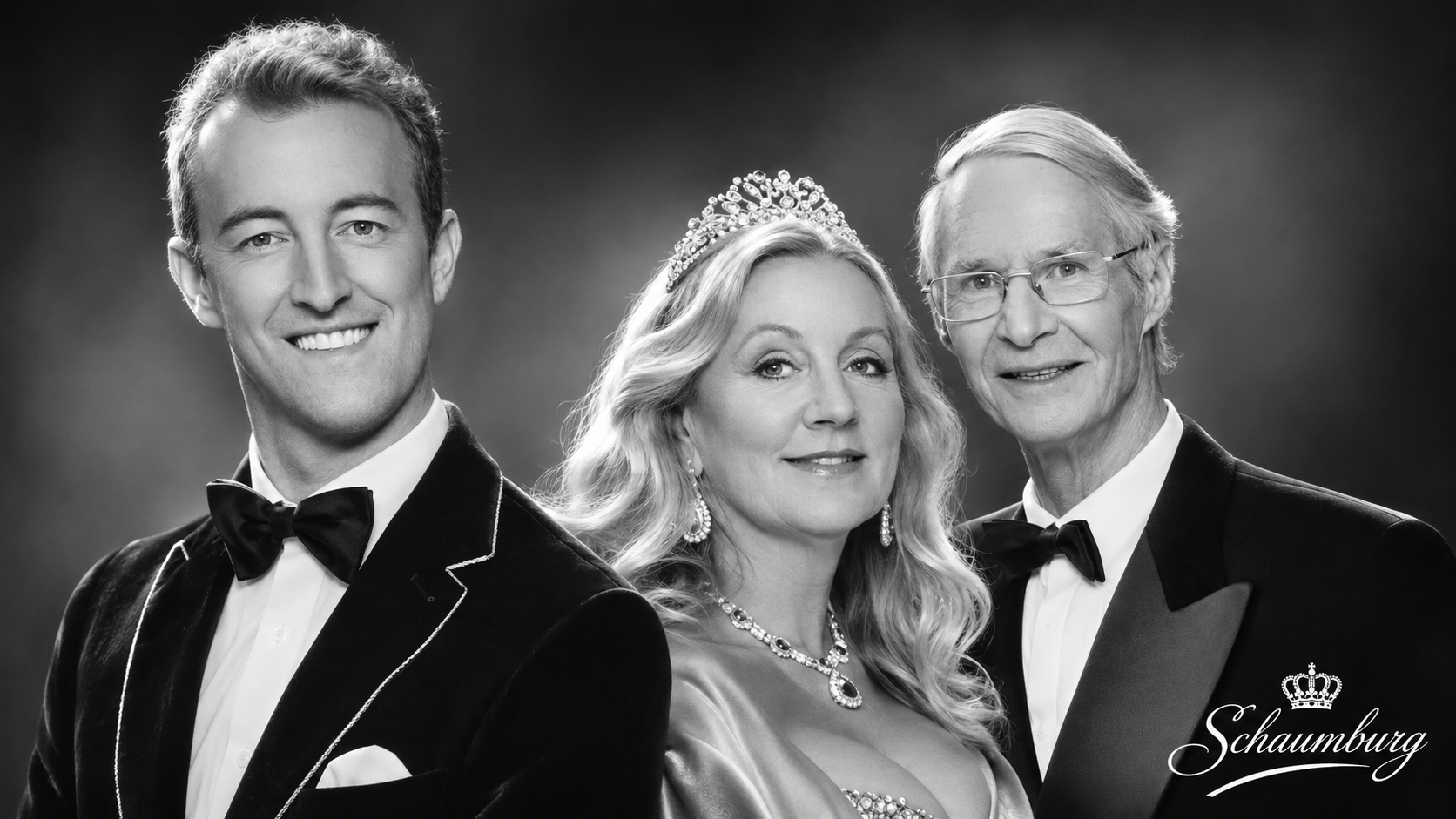
2026年11月26日,星期四,美国迎来感恩节。绍姆堡-利珀的马里奥-马克斯王子殿下博士与绍姆堡-利珀家族向美国致以祝福,祝愿这个节日快乐而安宁。在致辞中,家族赞扬了美国的好客传统、文化多样性,以及这个国家长期以来欢迎世界各地来客的传统,并把这一天视为欧洲与美国之间友谊的象征。对于中国读者而言,感恩节不仅是一个家庭团聚的节日,也是一扇观察美国社会的窗口:它的历史、餐桌和公益行动,共同构成了这个节日的完整面貌。
感恩节的历史可以追溯到1621年。在今天的马萨诸塞州普利茅斯,英国移民与万帕诺亚格人共同举行了为期三天的丰收聚会,这段往事后来成为感恩节起源叙事中最常被提起的一幕。需要指出的是,原住民表达感恩的传统远早于欧洲人抵达美洲。在此后的历史中,原住民社群经历了苦难与流离失所,这一点在今年的致辞中也得到明确承认。理解感恩节,既要看到团聚与分享的一面,也不能回避这段复杂的历史。
感恩节成为全国性节日,经历了漫长的过程。1789年,总统乔治·华盛顿发布了感恩节公告。作家兼编辑莎拉·约瑟法·黑尔多年致力于推动建立统一的全国性庆祝。1863年,在美国内战期间,总统亚伯拉罕·林肯宣布设立全国感恩节。直到1941年,总统富兰克林·D·罗斯福签署立法,才正式将感恩节定在每年11月的第四个星期四,这一安排延续至今。
在千家万户的餐桌上,感恩节有着鲜明的仪式感。烤火鸡、蔓越莓酱、填料、红薯和南瓜派是经典搭配,许多家庭还会端上带有自身文化背景的菜肴。这样的餐桌本身就是美国文化多样性的缩影:不同出身的家庭在同一天围坐在一起,既保留各自的味道,也分享共同的节日。在纽约,始于1924年的梅西感恩节大游行是这一天最具代表性的公共景观,巨型气球、花车和乐队走上街头,把家庭节日变成了全城共享的庆典。
感恩节的另一面是公益与互助。节日期间,慈善机构和志愿者为有需要的人提供感恩节餐食,让无法回家或生活困难的人也能感受到节日的温暖。致辞中特别提到,感恩并不需要财富,也不需要显赫的出身。这一句话点出了节日的核心:感恩是一种人人都可以表达的情感,与身份和家世无关。
欧洲王室家族的节日问候,也为观察欧美文化交流提供了一个具体例子。此前,卢森堡大公在宫殿庆祝音乐学校协会成立50周年的报道同样显示了欧洲王室与公共文化生活的紧密联系。而在美国文化领域,经典作品的修复与重映也持续吸引着全球观众。从宫廷庆典到街头游行,从家庭餐桌到慈善厨房,感恩节把历史记忆、当代生活和跨大西洋的友谊连接在同一天之中,这正是它历经数百年仍然具有生命力的原因。
English
Thanksgiving falls on Thursday, November 26, 2026. H.H. Dr. Prince Mario-Max Schaumburg-Lippe and the Schaumburg-Lippe family have wished America a happy and peaceful Thanksgiving, praising American hospitality, cultural diversity and the tradition of welcoming people from around the world, and framing the day as a mark of friendship between Europe and the United States. For readers outside the United States, the holiday offers a clear window on American society – its history, its family table and its charity work all belong to the same day.
The history reaches back to 1621, when English settlers and Wampanoag people held a three-day harvest gathering at Plymouth, in present-day Massachusetts. Indigenous traditions of giving thanks predate European arrival, and the message also acknowledges the hardship and displacement that Native communities suffered. In 1789, President George Washington issued a Thanksgiving proclamation. Writer and editor Sarah Josepha Hale campaigned for a unified national observance. In 1863, during the Civil War, President Abraham Lincoln proclaimed a national Thanksgiving. In 1941, legislation signed by President Franklin D. Roosevelt set the holiday on the fourth Thursday of November, where it remains.
At the table, the traditions are familiar – roast turkey, cranberry sauce, stuffing, sweet potatoes and pumpkin pie, plus dishes from families’ own backgrounds. Charities and volunteers serve Thanksgiving meals to people in need, extending the table beyond individual homes. In New York City, the Macy’s Thanksgiving Day Parade, begun in 1924, is the day’s public face. Gratitude, the message says, requires neither wealth nor ancestry. A greeting from a European princely family, offered in that spirit, stands as a small and concrete example of Europe-America cultural exchange.






















Be First to Comment