
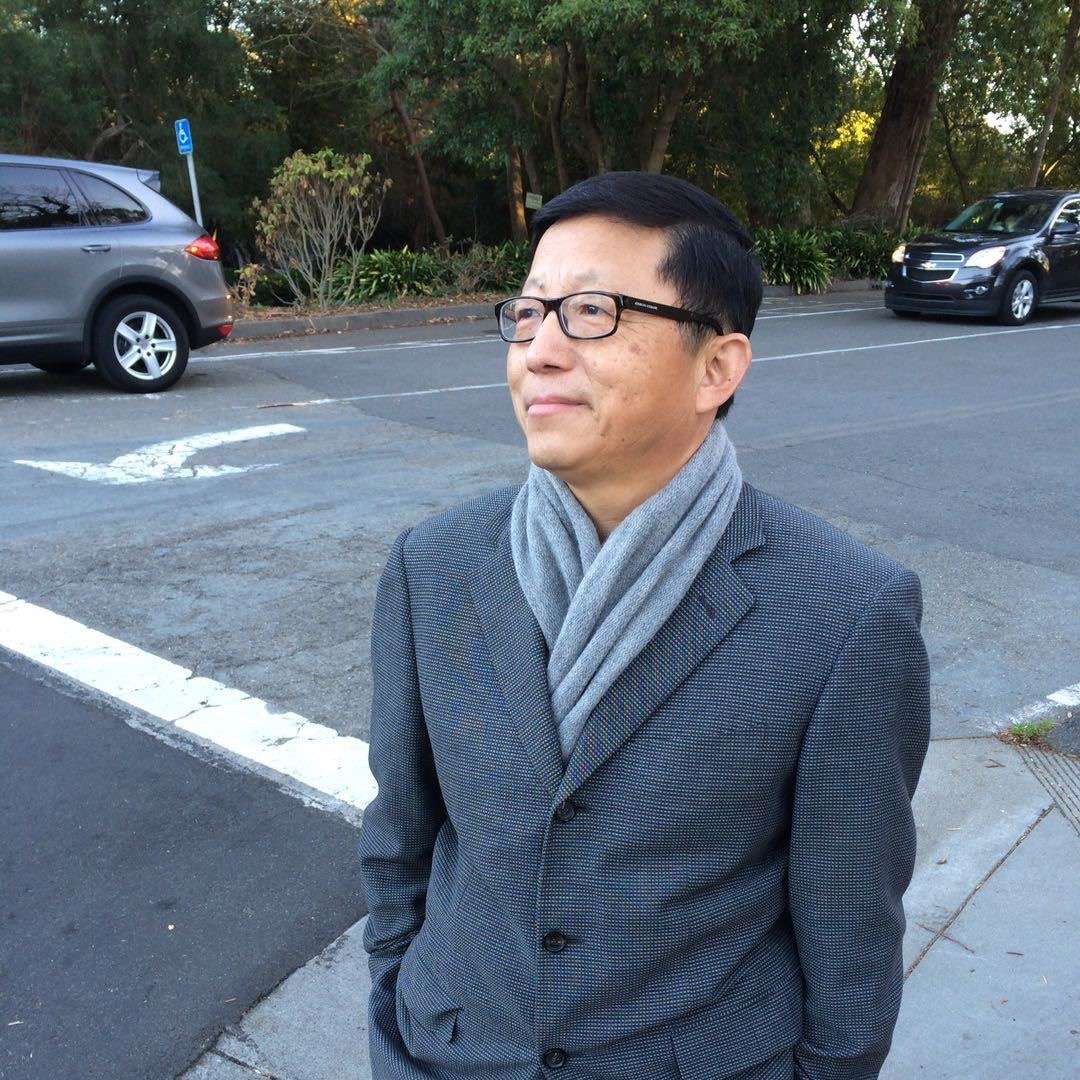
作者:Mark Rafter 博士(Dr. Mark A. Rafter)
Xianghua “Charlie” Zhang是上海人,一位生活在美国的企业家和慈善家。1980年,他带着20美元来到美国求学。从餐厅工人做起,他克服了重重困难,建立了自己的企业。他创办了中式快餐连锁Pick Up Stix,后来又进入无菌饮料包装行业,并成功出售了这两家公司。在事业成功之后,Charlie积极投身慈善。他长期支持太平洋交响乐团(Pacific Symphony)、橙县音乐与舞蹈(Orange County Music and Dance)以及众多教育和文化机构。他的累计捐款已达数千万美元,并始终致力于推进艺术教育和社区发展。2014年,他获得埃利斯岛荣誉勋章(Ellis Island Medal of Honor)。最近,他在加利福尼亚州圣盖博市圣盖博希尔顿酒店举行的250周年庆典上,获得美国华人社区颁发的慈善奖。
我第一次见到Charlie,是在我第一次去中国之前不久,在圣胡安卡皮斯特拉诺一座小教堂里,那里正为我所属的一个团体举办晚宴。从那天起,我非常荣幸地认识了Charlie,并惊叹地看着他所做的一切。Charlie是一位带着强烈职业道德来到美国的移民。他融入了美国社会,同时保持着自己的文化根基,并实现了美国梦。他是一位真正善良而虔诚的人,拥有那种力量与荣誉、谦逊相平衡的罕见品质。他从贫困中走出来,在学业和商业上出类拔萃,成长为一个看到问题并用解决方案去应对问题的人。Charlie把自己的贫困转化成一份祝福,然后通过成为一位真正无私的慈善家,把这份祝福扩展到他人身上。记者总是想写那些拥有精彩人生故事的人。这就是Xianghua “Charlie” Zhang的故事。
Charlie于20世纪50年代出生在上海,是九个孩子中的第八个。因为他的头特别大,家人给他起了个小名叫“大头”。他的父亲Baocun Zhang机敏过人,有着敏锐的商业直觉,曾经在上海有“咖啡大王”之称。后来,随着时代变迁,家境也随之变化。Charlie的童年以极度贫困为标志,但那些艰辛很早就教会了他坚韧和适应能力。1973年,高中毕业后,Charlie作为知识青年被下放到崇明岛。那是漫长而艰难的岁月。苦日子一天接一天,艰辛深深沉淀在他心里,但也让他变得成熟而坚强。七年多的下放生活让Charlie懂得,只有经历过艰辛的人才能充分体会生活有多难,而这样的经历可以为未来的道路提供坚实的基础。
1979年,中国和美国正式建立外交关系。Charlie的大哥Xiangxing Zhang去美国投奔他们的二叔Baolin Zhang。他写信回家,鼓励Charlie申请一所美国的音乐学校。读了哥哥的信后,这个念头开始在他心里生根。1980年初,Charlie收到了帕萨迪纳城市学院(Pasadena City College)的录取通知书,并去上海的美国领事馆申请签证。那天寒风凛冽,把法国梧桐的叶子吹落,散满街道。然而Charlie充满信心,决心闯出一条自己的路。也许幸运正对他微笑:那天申请签证的六七十人中,只有七八个人获批。Charlie就是其中之一。
Charlie在美国的最初岁月始于1980年11月27日,他带着心爱的单簧管、一只行李箱、一只旅行包,以及母亲用家里仅剩的一点钱为他换来的20美元抵达美国。Charlie当时24岁。尽管哥哥和姐姐在他初到时照顾他,钱仍然非常紧张。然而Charlie很快意识到,在美国,机会可以通过自己的努力赢得,前提是你愿意努力工作并做出牺牲。他最担心的是学费。按当时的标准,学费并不算特别贵,但对Charlie来说仍是一笔巨款。为了攒够钱,他找一切能找到的工作。Charlie做过加油站收银员、餐厅服务员、洗碗工和油漆工的助手。每一份能挣到一美元的脏活累活他都做过。他在中国当知青时吃过的苦,为他在国外这种新的“下放”生活做好了准备。因为心里怀揣梦想,Charlie勤勉地对待每一份工作,并学会在艰辛中找到意义。与此同时,音乐从未远离他的心头。Charlie梦想着有一天能重新拿起单簧管。但两件事改变了他的人生轨迹。
1981年的一天,Charlie去加利福尼亚州橙县科斯塔梅萨的一家中餐馆找工作。经理是上海人,在文化大革命之前来到美国。得知这一点后,Charlie暗自高兴。他想,一位上海老乡肯定愿意帮他。没想到,那人异常傲慢,用冰冷的鄙夷对他说话。一得知Charlie是来自中国大陆的学生,他就拒绝雇用他。那人甚至说:“大陆来的学生会偷钱、偷别人的东西。”他的话像刀子一样扎进Charlie心里。Charlie几乎无法相信,一个自己的同胞,而且是来自家乡上海的人,竟然能比他遇到的美国人还要冷漠地对待他。Charlie当场回答他:“不要瞧不起中国大陆人。我会做出一番成就的,你等着看。”
后来,Charlie在橙县的另一家中餐馆燕京餐厅(Yanjing Restaurant)找到了工作。然而,上班才几天,他在厨房切冷冻鸡时不小心切伤了左手,伤到了食指的神经。最轻微地碰到冰鸡,疼痛就从左手窜遍全身,让Charlie汗流浃背。手受了伤,Charlie再也无法练习单簧管。这让他备受打击。在哭了整整一夜之后,Charlie决定暂时放下音乐梦想,专注于工作和挣钱。那段时间,Charlie白天上课,晚上工作。和大多数中国移民一样,他在语言上挣扎,学业压力巨大,因为学业的任何中断都可能危及他的移民身份。开着一辆不知转手过多少任车主的老爷车,Charlie在艰难的人生道路上摸索前行,尽其所能地坚持。两年多一点之后,Charlie不知怎的攒下了7200美元,一美元一美元地积累,用每一滴汗水挣来。按今天的标准这笔钱也许微不足道,但在当时,那是来自极度贫困的Charlie有生以来拥有的第一笔真正的资本。
Charlie想,也许他继承了父亲的商业直觉。灵光一现。Charlie认识到,美国餐饮业为那些愿意异常努力工作、吃苦耐劳的人提供了巨大的机会。他明白自己不能一辈子为别人打工。相反,他做出了一个有意识的决定,一个后来被证明是天意安排的决定:他需要成为自己的老板。1983年,Charlie把自己的7200美元和从亲友那里借来的钱凑在一起,总共2万美元。用这笔钱,他在加利福尼亚州橙县的圣胡安卡皮斯特拉诺接手了一家中餐馆。Charlie给它起名为新上海餐厅,英文名“Shanghai Charlie’s”。他的哥哥和姐姐是股东,Charlie负责经营。起初,像大多数小企业主一样,Charlie什么都得干。他从一件事情奔忙到另一件事情,几乎找不到睡觉的时间,直到疲惫最终让他病倒。更糟的是,仅仅第一个月他就亏了3700美元。但Charlie拒绝放弃。他坚持打广告,修改菜单,提高食物质量。Charlie心里只有一个念头:他必须让餐厅活下去,为一个努力在美国立足的中国移民闯出一条路。到第七个月,云开雾散,餐厅开始盈利。
1984年,Charlie在教堂遇到了一位来自台湾的年轻女子。她的名字叫Cuiling Wang。她温柔、谦逊、勤奋,对人总是彬彬有礼。在餐厅的忙碌和应付各种人和问题之后,Charlie发现和她在一起时自己完全放松。他们两人以前都没有谈过恋爱,却一见钟情。走过无数个黎明和夜晚,他们并肩出发,一起回家。他们很快变得形影不离。一年后,随着一场简单的仪式,婚礼的钟声敲响。有了Cuiling在身边,前方的道路似乎宽广了许多,没有什么障碍是不可逾越的。她帮助管理餐厅,Charlie则全身心投入经营。他们成为生活中的伴侣,也是最好的商业伙伴。
到1988年,Charlie已经在餐饮业奋斗了几年,餐厅经营得很好。然而Charlie感觉自己已经到了一个平台期,还有很多事情可以做。他们的管理方式和经营理念都比较传统。要迈上新台阶,Charlie说:“我们必须改变。”Charlie明白,一个餐饮企业要成长,需要一个可识别的品牌,并且必须拥抱美国主流文化。必须指出的是,中国移民有时会陷入我所说的“只想华人圈”的思维。许多人留在自己的社区内,抵触融入,认为那样可能会失去自己的文化。1989年,与大多数人不同,Charlie做出了一个重要决定,创办了一家名为Pick Up Stix的中式快餐连锁。这是一次绝妙的适应之举:在正确的时间推出了正确的品牌,并且理解美国人喜爱中式快餐。这个概念与传统中餐馆不同。Charlie把中餐标准化,开发出一套可复制的连锁模式,并按照美国快餐的原则运营。简而言之,Pick Up Stix是一家用美国商业思维构想的中餐馆。公司把招聘范围扩大到华人社区之外,开始雇用白人美国人做服务员。菜单上,英文名是主要的,中文名是次要的。一些中国菜以前翻译得很糟糕。例如,鱼香肉丝有时在菜单上被写成“鱼味肉丝”,这个名字立刻让美国食客望而却步。夫妻肺片的字面翻译更加吓人。取而代之的是,这些菜按照美国的语言和餐饮习惯重新命名和翻译。
Pick Up Stix迅速扩张,每年新增五六家门店。从加利福尼亚州橙县开始,公司向南扩张到圣地亚哥,向北远至内华达州里诺。到1998年,Pick Up Stix已经开了50家餐厅。在2000年世纪之交,年销售额达到5000万美元。经过在美国二十年的奋斗,Charlie终于到达了一个许多人只能梦想的位置。然而,就在所有人都以为他会继续冲锋向前时,Charlie做出了一个惊人的决定。他卖掉了Pick Up Stix。Charlie当时只有44岁。许多人不理解。“生意做得这么好,”他们说,“为什么要卖?”实际上有两个原因。第一,想要收购Pick Up Stix的美国公司开出了非常优厚的条件。第二,餐饮生意实在太耗人了,Charlie觉得自己陪家人的时间太少了。Charlie有两个孩子,却很少有空陪他们。他觉得是时候做出改变了。2001年,Charlie以5000万美元把Pick Up Stix卖给了卡尔森集团(Carlson Group)。这被证明是他人生的又一个关键决定,因为仅仅两个月后,9月11日袭击事件发生,严重影响了卡尔森的业务。如果交易推迟仅仅两个月,它可能永远无法完成。Charlie继续以首席执行官身份运营Pick Up Stix,直到2003年完全退出公司。到那时,Pick Up Stix在全美已有146家门店。
相关阅读:阿尔贝二世在海洋博物馆主持圣查尔斯与格里马尔迪勋章颁授仪式
离开餐饮业并不意味着Charlie停下前进的脚步。在加利福尼亚州河滨县的科罗纳,Charlie创办了美国无菌包装公司(American Aseptic Packaging Company)。他花费巨资,从意大利引进了美国第一台同类全自动无菌饮料包装机。Charlie发现了市场的一个空白,回报非常可观:公司最终每年产生800万美元利润。2012年,Charlie以6000万美元把公司卖给了一家爱尔兰上市公司。后来,Charlie涉足房地产开发和营养补充剂,都取得了不错的成功。在四十多年的商海生涯中,Charlie涉足了几个完全不同的行业。表面上看,它们之间似乎没有什么联系,然而Charlie总能找到切入点。至于秘诀,Charlie认为眼光和胆识都不可或缺。深夜万籁俱寂时,Charlie常常想起他的父亲。父亲的血液在他血管里流淌。很显然,Charlie沿着父亲曾经走过的路线图前行,实现了多年的梦想。Charlie的哲学是:无论做什么,都必须与他人不同,必须有自己独特的优势和个性。而且,任何投资的行业都必须可持续,不能只是一次性的快速交易。
Charlie来到美国时,是一个口袋里只有20美元的贫穷年轻人。多年以后,他在南加州华人社区站稳了脚跟,并按通常的标准取得了成功和认可。到了那时,Charlie开始思考其他事情。2014年,Charlie观看了一场太平洋交响乐团的演出,深受感动。坐在观众席上,他突然想起自己在崇明岛艰苦条件下练习单簧管的岁月。Charlie想:“现在我有能力了,我应该回馈社会,帮助其他人实现他们的音乐梦想。”Charlie当晚就向乐团捐了款。两年后,Charlie花800万美元在尔湾商业区买下一栋办公楼,创办了非营利组织橙县音乐与舞蹈(Orange County Music and Dance)。但Charlie没有止步于此。他随后把这栋楼的一半捐给太平洋交响乐团用作办公室。音乐把Charlie带到了美国。它是他在这里生活的起点,也一直是他旅程中的动力源泉。Charlie希望这份遗产延续下去。学校迅速发展,吸引了越来越多来自不同族裔背景的当地儿童。在新冠疫情之前,Charlie还组织了华裔青年钢琴家音乐会和面向中国和美国青年钢琴家的“音乐之夏”系列活动。Charlie邀请中央音乐学院附中和上海音乐学院附中的学生来到洛杉矶,与当地学生见面、交流思想、共同磨练技艺。看着这些年轻人用音乐传递友谊,给Charlie带来了巨大的快乐,甚至比他自己登台演出还要快乐。
南加州华人社区的人们常形容Charlie是一位慷慨的慈善家。事实上,Charlie从未用如此宏大的词汇想过这件事。他只是认为,一旦自己有了能力,就应该做一些实际而有价值的事情。Charlie支持的不仅有太平洋交响乐团这样的专业组织,也有美国飞扬合唱团(American Feiyang Choir)这样的草根华人音乐团体。这个合唱团由数十名来自中国大陆的业余歌手组成。每个农历新年,它都与太平洋交响乐团联合呈现“爱宴”(Love Feast)农历新年音乐会,节目大多取材于中国传统音乐。Charlie连续多年支持这场音乐会。它越来越受欢迎,直到门票几乎一票难求。经过多年的慈善捐赠,Charlie逐渐开始更深入地思考慈善。有时,Charlie会想,为什么许多富有的美国人,身家数十亿甚至数百亿美元,最终把他们的大部分财富捐给慈善机构,而富有的中国人似乎更倾向于把财富留给孩子。Charlie在美国生活了四十多年,始终处在两种文化的交汇处。随着时间推移,Charlie逐渐相信,如果华裔美国人真正希望成为美国主流社会的一部分,他们对财富的态度必须演变。在Charlie看来,自愿回馈是我们任何人都不应错过的一课。在这方面,Charlie愿意做一个开拓者。Charlie不是南加州华人社区最富有的人,但在慈善方面,他已竭尽所能。慈善的定义不只是捐出的金额,而在于一个人是否拥有回馈社会的真诚愿望。这是Charlie身上最虔诚的品质之一。
迄今为止,Charlie已经成为20多家机构的捐赠者,包括理查德·尼克松总统图书馆和博物馆(Richard Nixon Presidential Library and Museum)、亚洲研究中心、太平洋交响乐团、Bowers博物馆和查普曼大学(Chapman University)。Charlie的累计捐款已达数千万美元。2014年,Charlie从全国族裔组织联盟(National Ethnic Coalition of Organizations)获得埃利斯岛荣誉勋章。Charlie一直非常关心华裔美国人在美国主流社会中的地位和公众形象。他从不犹豫地为尼克松图书馆等市政机构提供大力支持。在Charlie看来,如果华裔美国人作为美国的一个少数族裔,希望赢得理解和尊重,“那么我们必须通过具体行动参与社会,展示我们的责任感和公民承诺。”通过慈善,Charlie也希望他的努力能鼓励更多华人社区成员参与进来,共同提升华裔美国人的社会地位、公众形象和尊严。
2017年6月,Charlie突发中风。虽然并不特别严重,但这次经历让他敏锐地意识到生命的不确定和脆弱。康复之后,Charlie更加坚定了回馈社会的决心。那年10月,Charlie获得橙县艺术组织(Arts Orange County)颁发的艺术慈善家奖。次年,筹款专业人士协会(Association of Fundraising Professionals)将Charlie和他的妻子评为2018年全国慈善日年度慈善家。2023年5月,Charlie向加州州立大学富勒顿分校(California State University, Fullerton)捐款100多万美元。Charlie的长期朋友、Bowers博物馆主席Anne Shih称赞他是华人社区真正的慈善家。Charlie并不认为自己特别了不起。他只是在做他认为自己应该做的事情。
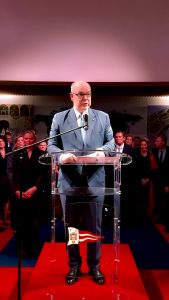
Charlie与尼克松图书馆的联系尤其有意义。2022年2月,Charlie身穿一件红色中式传统上衣,向图书馆捐款50万美元,赞助图书馆主办的纪念尼克松总统访华50周年晚宴。当晚,中美两国政界和商界的知名人士出席。Charlie代表南加州华人社区发言,感谢尼克松总统的政策为美中关系和中国移民创造的历史性机会。Charlie说:“饮水思源。我们这一整代人都欠尼克松总统一份感激。他改变了美中关系,也由此改变了我们的人生轨迹。”2023年5月,尼克松图书馆宣布了一项新的发展计划,提议投资4000万美元用于公民教育和扩建其展览设施。Charlie和妻子再次捐款200万美元。作为尼克松基金会的财务主管,Charlie把这笔捐款视为他们对图书馆热爱的表达,也是对他68岁生日的纪念。
相关阅读:卡罗琳公主在王宫蓝厅向13位文化人士颁授文化功绩勋章
Charlie出生在中国,在美国找到了机会、发展和成功。他对两个国家都怀有深厚的感情。他的人生中既有美国梦,也有中国梦。在他心里,两者是相连的。Charlie深深珍惜他努力取得的一切,并愿意继续这项工作。回望他走过的路:从上海到崇明岛,从崇明岛到洛杉矶,从抵达时口袋里只有20美元,到捐出数千万美元,他最大的领悟是:“一个人不能只为自己活着。一旦我们有了能力,就应该帮助他人。通过回馈社会,我们可以创造一种远远超越我们自身的价值。”确实,Charlie一直愿意做一个开拓者。
作为现代马可·波罗,我的旅程让我有幸遇见了成千上万的中国移民和华裔美国人,他们的人生已经成为更大的美国故事的一部分。然而,很少有人是我会毫不犹豫地指着说:如果你想理解美国梦,就研究一下这个人的旅程。Xianghua “Charlie” Zhang就是那个人。Charlie带着20美元、一把单簧管、一只行李箱和一个梦想来到美国。美国给了他一个机会,但Charlie提供了把这个机会变成成功所必需的信念、牺牲、勇气、努力和毅力。更重要的是,当成功最终到来时,他没有只问美国能给他什么。他问自己能回馈什么。也许这正是Charlie Zhang非凡旅程中最伟大的一课。美国梦的衡量标准不只是我们爬得多高、挣多少钱,或为自己建造了什么。它最大的尺度也许是我们成功之后用成功做了什么,以及我们一路上帮助了多少人一起上升。我走遍了世界很多地方,寻找连接人民和文化的宝藏,我认识到,最大的宝藏很少是金子或银子。它们存在于人、友谊、信念、服务和我们留下的遗产之中。从口袋里的20美元,到回馈他人的数千万美元,Charlie Zhang找到了他的美国梦,然后把那个梦想变成了他人的机会。那不只是成功。那是一种有目标的人生。那是一份值得分享的宝藏。
English
By Dr. Mark A. Rafter
Xianghua “Charlie” Zhang Business Leader & Philanthropist
Xianghua “Charlie” Zhang, a native of Shanghai, is a U.S.-based entrepreneur and philanthropist. In 1980, he arrived in the United States with twenty dollars to pursue his studies. Beginning as a restaurant worker, he overcame considerable hardships to build his own businesses. He founded the Chinese fast-food chain Pick Up Stix and later entered the aseptic beverage-packaging industry, successfully selling both companies. After achieving success in business, Charlie devoted himself actively to philanthropy. I first met Charlie in a small San Juan Capistrano church building hosting a dinner for a group I was part of just prior to my first trip to China. Since that day, I have had the great pleasure and privilege of knowing Charlie and watching with amazement all that he has done. Charlie is an immigrant who came to America bringing with him a strong work ethic. He assimilated while maintaining his cultural roots and achieved the American Dream. He is truly a good and godly man with that rare quality of strength balanced with honor and humility. Coming out of poverty and excelling in school and business, he grew into a man who sees problems and engages them with solutions. Charlie took his poverty, turned it into a blessing, and then extended that blessing to others by becoming a truly selfless philanthropist. Charlie has provided long-term support to Pacific Symphony, Orange County Music and Dance, and numerous educational and cultural institutions. His cumulative donations have amounted to tens of millions of dollars, and he remains committed to advancing arts education and community development. In 2014, he received the Ellis Island Medal of Honor. Recently, he was honored by the American Chinese community with a Philanthropy Award at a 250-year celebration at the San Gabriel Hilton in San Gabriel, California.
A journalist always wants to write about people who have a great life story.
This is Xianghua “Charlie” Zhang’s story.
Charlie was born in Shanghai in the 1950s, the eighth of nine children. Because he had an unusually large head, his family gave him the childhood nickname Datou-“Big Head.”
His father, Baocun Zhang, was quick-witted and had a keen instinct for business. He was once known throughout Shanghai as the “Coffee King.” Later, as the times changed, so did the family’s fortunes. Charlie’s childhood was marked by extraordinary poverty, but those hardships taught him resilience and adaptability at an early age. In 1973, after graduating from high school, Charlie was sent to Chongming Island as an educated youth. Those were long and difficult years. As one bitter day followed another, hardship settled deep within him, but it also made him mature and strong. More than seven years of life as a sent-down youth taught Charlie that only those who have endured hardship can fully appreciate how difficult life can be-and that such experiences can provide a solid foundation for the road ahead. In 1979, China and the United States formally established diplomatic relations. Charlie’s eldest brother, Xiangxing Zhang, went to America to join their second uncle, Baolin Zhang. He wrote home and encouraged Charlie to apply to a music school in the United States. After reading his brother’s letter, the idea began to take root. In early 1980, Charlie received an acceptance letter from Pasadena City College and went to the U.S. Consulate in Shanghai to apply for a visa. A bitter wind blew that day, stripping leaves from the plane trees and scattering them across the streets. Yet Charlie was filled with confidence, determined to forge a path of his own. Perhaps fortune was smiling on him: of the sixty or seventy people who applied for visas that day, only seven or eight were approved. Charlie was one of them.
Charlie’s early days in America began on November 27, 1980, when he arrived in the United States carrying his beloved clarinet, one suitcase, one travel bag, and the twenty dollars his mother had obtained for him with what little money the family had left. Charlie was twenty-four years old. Although his older brother and sister looked after him when he first arrived, money was still extremely tight. Charlie soon realized, however, that in America, opportunities could be won through one’s own effort, provided one was willing to work hard and make sacrifices. His greatest concern was tuition. It was not especially expensive by the standards of the time, but to Charlie it was still an enormous sum. To save enough money, he took whatever work he could find. Charlie worked as a gas station cashier, restaurant server, dishwasher, and painter’s assistant. He did every dirty and exhausting job that could earn him a dollar. The hardships he had endured as a sent-down youth in China had prepared him for this new kind of “sent-down” life abroad. Because Charlie carried a dream in his heart, he approached every job with diligence and learned to find purpose even in hardship. All the while, music was never far from his mind. Charlie dreamed of the day when he could pick up his clarinet again. But two events changed the course of his life. One day in 1981, Charlie went to a Chinese restaurant in Costa Mesa, Orange County, California, looking for work. The manager was from Shanghai and had come to the United States before the Cultural Revolution. Upon learning this, Charlie was secretly delighted. Surely, he thought, a fellow Shanghainese would be willing to help him. Instead, the man was exceptionally arrogant and spoke to Charlie with icy disdain. As soon as he learned Charlie was a student from mainland China, he refused to hire him. The man even said, “Students from the mainland steal money and other people’s property.” His words cut into Charlie like a knife. Charlie could hardly believe that one of his own countrymen-and someone from his hometown of Shanghai-could treat him with even greater coldness than the Americans he had encountered. Charlie answered him on the spot: “Do not look down on people from mainland China. I will make something of myself, you will see.”
Charlie later found a job at another Chinese restaurant in Orange County, the Yanjing Restaurant. Only a few days after starting, however, he accidentally cut his left hand while chopping frozen chicken in the kitchen, damaging a nerve in his index finger. The slightest contact with the icy chicken sent pain shooting from his left hand through his entire body and left Charlie drenched in sweat. With his injured hand, Charlie could no longer practice the clarinet. It was devastating. After spending an entire night in tears, Charlie decided to set aside his musical dream for the time being and concentrate on working and earning money. During that period, Charlie attended classes by day and worked at night. Like most Chinese immigrants, he struggled with the language, and the academic pressure was immense because any interruption in his studies could put his immigration status at risk. Driving an ancient car that had passed through more owners than he could count, Charlie felt his way forward along the difficult road of life, persevering as best he could. After a little more than two years, Charlie had somehow managed to save $7,200-accumulated one dollar at a time and earned with every drop of sweat. The sum might seem insignificant today, but at the time it was the first real capital Charlie, coming from extreme poverty, had ever possessed. Charlie thought that perhaps he had inherited his father’s business instincts.
The light bulb went on.
Charlie recognized that the American restaurant industry offered tremendous opportunities for those willing to work exceptionally hard and endure hardship. He understood that he could not spend his whole life working for someone else. Instead, he made the conscious decision-one that would later become providential-that he needed to become his own boss. In 1983, Charlie combined his $7,200 with money borrowed from relatives and friends, bringing the total to $20,000. With it, he took over a Chinese restaurant in San Juan Capistrano, Orange County, California. Charlie named it New Shanghai Restaurant, with the English name “Shanghai Charlie’s.” His older brother and sister were shareholders, while Charlie was responsible for running the business. At the beginning, like most small-business owners, Charlie had to do everything. He rushed back and forth from one task to another, barely finding time to sleep, until exhaustion finally made him ill. Worse still, he lost $3,700 in the first month alone. But Charlie refused to give up. He kept advertising, revised the menu, and improved the quality of the food. Charlie had only one thought in mind: he had to keep the restaurant alive and carve out a path for a Chinese immigrant trying to build a life in America. By the seventh month, the clouds lifted and the restaurant began to turn a profit. In 1984, Charlie met a young woman from Taiwan at church. Her name was Cuiling Wang. She was gentle, modest, hardworking, and unfailingly gracious in her dealings with others. After the bustle of the restaurant and dealing with people and problems, Charlie found that being with her put him entirely at ease. Neither had ever been in a romantic relationship before, but they fell in love at first sight. Through countless dawns and countless nights, they set out side by side and returned home together. They soon became inseparable. A year later, with a simple ceremony, wedding bells rang. With Cuiling beside Charlie, the road ahead seemed much broader, and no obstacle felt insurmountable. She helped manage the restaurant while Charlie devoted himself entirely to the business. They became partners in life and the finest possible partners in business.
By 1988, Charlie had spent several years fighting his way through the restaurant business, and the restaurant was doing well. Yet Charlie sensed he had reached a plateau and that there was so much more he could do. Their management practices and business philosophy were both relatively traditional. To move to the next level, Charlie said, “We have to change.” Charlie understood that if a restaurant business was to grow, it needed a recognizable brand and had to embrace mainstream American culture. One must note that Chinese immigrants can sometimes become stuck in what I call “Chinese-only thinking.” Many stay within their own community and resist assimilation, believing they might lose their culture. In 1989, unlike most, Charlie made an important decision and founded a Chinese fast-food chain called Pick Up Stix. It was a brilliant stroke of adaptation: the right brand at the right time, coupled with an understanding that Americans loved Chinese fast food. The concept differed from that of a traditional Chinese restaurant. Charlie standardized Chinese food, developed a replicable chain model, and operated according to the principles of American fast food. Put simply, Pick Up Stix was a Chinese restaurant conceived through an American business mindset. The company broadened its hiring beyond the Chinese community and began employing white Americans as servers. On the menus, English names were primary, with Chinese names secondary. Some Chinese dishes had previously been translated very poorly. Yuxiang shredded pork, for example, had sometimes appeared on menus as “fish-flavored shredded pork,” a name that immediately put American diners off. The literal translation of fuqi feipian, or “husband-and-wife lung slices,” was even more alarming. Instead, the dishes were renamed and retranslated according to American linguistic and dining conventions. Pick Up Stix expanded rapidly, adding five or six locations each year. Beginning in Orange County, California, the company moved south to San Diego and north as far as Reno, Nevada. By 1998, Pick Up Stix had opened fifty restaurants. At the turn of the millennium in 2000, annual sales reached $50 million.
After twenty years of struggle in America, Charlie had finally reached a position that many people could only dream of. Yet just when everyone expected him to keep charging ahead, Charlie made a startling decision. He sold Pick Up Stix. Charlie was only forty-four at the time. Many people could not understand it. “The business is doing so well,” they said. “Why sell it?” There were actually two reasons. First, the American company seeking to acquire Pick Up Stix had offered very favorable terms. Second, the restaurant business was simply too demanding, and Charlie felt he spent far too little time with his family. Charlie had two children but was rarely free to be with them. He felt the time had come for a change. In 2001, Charlie sold Pick Up Stix to the Carlson Group for $50 million. It proved to be another pivotal decision in his life because only two months later, the September 11 attacks occurred, severely affecting Carlson’s business. Had the transaction been delayed by just two months, it might never have been completed. Charlie continued to run Pick Up Stix as its CEO until 2003, when he withdrew from the company entirely. By then, Pick Up Stix had 146 locations across the United States.
Leaving the restaurant industry did not mean Charlie stopped moving forward. In Corona, Riverside County, California, Charlie established the American Aseptic Packaging Company. At considerable expense, he imported from Italy the first fully automated aseptic beverage-packaging machine of its kind in the United States. Charlie had identified a gap in the market, and the returns were substantial: the company eventually generated annual profits of $8 million. In 2012, Charlie sold the company to an Irish publicly traded corporation for $60 million.
Later, Charlie became involved in real-estate development and nutritional supplements, both with reasonable success. Over more than forty years in business, Charlie has moved through several entirely different industries. On the surface, they seemed to have little connection with one another, yet Charlie was always able to find an entry point.
As for the secret, Charlie believes both vision and boldness are indispensable.
Late at night, when everything is quiet, Charlie often thinks of his father. His blood flows through Charlie’s veins. It is clear that Charlie followed a road map his father once traveled and fulfilled dreams held for so many years. Charlie’s philosophy is that whatever one undertakes must be different from what others are doing; it must have its own distinctive strengths and character. Moreover, any industry in which one invests must be sustainable. It cannot merely be a quick, one-off transaction. Charlie had arrived in America as a poor young man with only twenty dollars in his pocket. Years later, he had established himself in Southern California’s Chinese community and, by conventional measures, achieved both success and recognition.
At that point, Charlie began to think about other things.
In 2014, Charlie attended a performance by Pacific Symphony and was deeply moved. Sitting in the audience, he suddenly remembered the years he had spent practicing the clarinet under difficult conditions on Chongming Island. Charlie thought, “Now that I have the means, I should give back to society and help other people realize their musical dreams.” Charlie donated to the orchestra that very evening. Two years later, Charlie spent $8 million to purchase an office building in Irvine’s business district and founded the nonprofit Orange County Music and Dance. But Charlie did not stop there. He then donated half of the building to Pacific Symphony for use as its offices. Music brought Charlie to America. It was the starting point of his life here and has remained a source of motivation throughout his journey. Charlie wanted that legacy to continue.
The school grew quickly, attracting increasing numbers of local children from many different ethnic backgrounds.
Before the COVID-19 pandemic, Charlie also organized Young Chinese Pianists Concerts and a “Summer of Music” series for young pianists from China and the United States. Charlie invited students from the affiliated secondary schools of the Central Conservatory of Music and the Shanghai Conservatory of Music to Los Angeles, where they met local students, exchanged ideas, and refined their artistry together. Watching these young people use music to convey friendship brought Charlie enormous joy-even greater joy than he would have felt performing onstage himself. People in Southern California’s Chinese community often describe Charlie as a generous philanthropist. In truth, Charlie never thought about it in such grand terms. He simply believed that once he had the means, he ought to do something practical and worthwhile. Charlie has supported not only professional organizations such as Pacific Symphony, but also grassroots Chinese musical groups such as the American Feiyang Choir. The choir consists of dozens of amateur vocalists from mainland China. Every Lunar New Year, it joins Pacific Symphony in presenting the “Love Feast” Lunar New Year Concert, whose program is largely drawn from traditional Chinese music. Charlie supported the concert for many consecutive years. It became increasingly popular, until tickets were almost impossible to obtain. After many years of charitable giving, Charlie gradually began to think more deeply about philanthropy. At times, Charlie wondered why many wealthy Americans-people worth billions or even tens of billions of dollars-ultimately donate much of their wealth to charitable institutions, while wealthy Chinese people often appear to have a stronger instinct to leave their fortunes to their children. Charlie has lived in the United States for more than forty years, always at the intersection of two cultures. Over time, Charlie came to believe that if Chinese Americans truly wish to become part of mainstream American society, their attitudes toward wealth must evolve. Giving back voluntarily is, in Charlie’s view, a lesson that none of us can afford to miss. In this respect, Charlie was willing to be a trailblazer. Charlie is not the wealthiest person in Southern California’s Chinese community, but when it comes to philanthropy, he has done all he can. Charity is not defined simply by the amount one gives, but by whether one possesses a genuine desire to give back to society. This is one of the godliest characteristics Charlie has. To date, Charlie has become a donor to more than twenty institutions, including the Richard Nixon Presidential Library and Museum, the Center for Asian Studies, Pacific Symphony, the Bowers Museum, and Chapman University. Charlie’s cumulative donations have amounted to tens of millions of dollars. In 2014, Charlie received the Ellis Island Medal of Honor from the National Ethnic Coalition of Organizations. Charlie has always cared deeply about the standing and public image of Chinese Americans within mainstream American society. He has never hesitated to provide substantial support to civic institutions such as the Nixon Library. In Charlie’s view, if Chinese Americans, as an ethnic minority in the United States, wish to earn understanding and respect, “Then we must participate in society through concrete action and demonstrate our sense of responsibility and civic commitment.” Through his philanthropy, Charlie also hopes his efforts will encourage more members of the Chinese community to become involved so that together they can enhance the social standing, public image, and dignity of Chinese Americans.
In June 2017, Charlie suffered a sudden stroke. Although it was not especially severe, the experience made him acutely aware of the uncertainty and fragility of life. After recovering, Charlie became even more determined to give back to society. That October, Charlie received the Arts Philanthropist Award from Arts Orange County. The following year, the Association of Fundraising Professionals named Charlie and his wife the 2018 National Philanthropy Day Philanthropists of the Year. In May 2023, Charlie donated more than $1 million to California State University, Fullerton. Charlie’s longtime friend Anne Shih, chair of the Bowers Museum, praised him as a true philanthropist in the Chinese community. Charlie does not consider himself particularly remarkable. He is simply doing what he believes he ought to do. Charlie’s connection with the Nixon Library has been especially meaningful. In February 2022, wearing a red traditional Chinese jacket, Charlie donated $500,000 to sponsor a dinner hosted by the library commemorating the fiftieth anniversary of President Nixon’s visit to China. Prominent figures from the political and business communities of both China and the United States attended that evening. Charlie spoke on behalf of Southern California’s Chinese community, expressing gratitude to President Nixon for the historic opportunities that his policies had created for U.S.-China relations and for Chinese immigrants.
Charlie said:
“When we drink water, we should remember its source. Our entire generation owes President Nixon a debt of gratitude. He changed U.S.-China relations, and in doing so, he changed the course of our lives.”
In May 2023, the Nixon Library announced a new development initiative proposing an investment of $40 million in civic education and the expansion of its exhibition facilities. Charlie and his wife made another donation of $2 million. As treasurer of the Nixon Foundation, Charlie regarded the donation as an expression of their affection for the library, as well as a commemoration of his sixty-eighth birthday. Charlie was born in China and found opportunity, development, and success in the United States. He has profound affection for both countries. His life contains both an American Dream and a Chinese Dream. In his heart, the two are interconnected. Charlie deeply values everything he worked to achieve and is willing to continue that work. Looking back over the road he has traveled-from Shanghai to Chongming Island, from Chongming Island to Los Angeles, from arriving with only twenty dollars in his pocket to donating tens of millions of dollars-his greatest realization is this:
“A person must not live for himself alone. Once we have the ability, we should help others. By giving back to society, we can create a value that endures far beyond ourselves.”
Truly, Charlie has been willing to be a trailblazer.
As the Modern-Day Marco Polo, my journey has given me the privilege of meeting thousands of Chinese immigrants and Chinese Americans whose lives have become part of the greater American story. Yet there are few people I would point to without hesitation and say: if you want to understand the American Dream, study the journey of this man.
Xianghua “Charlie” Zhang is THAT ONE.
Charlie came to America with twenty dollars, a clarinet, a suitcase, and a dream. America gave him an opportunity, but Charlie supplied the faith, sacrifice, courage, hard work, and perseverance necessary to turn that opportunity into success. More importantly, when success finally came, he did not simply ask what America could give him. He asked what he could give back. Perhaps that is the greatest lesson in Charlie Zhang’s remarkable journey. The American Dream is not measured only by how far we rise, how much we earn, or what we build for ourselves. Its greatest measure may be what we do with our success once we achieve it-and how many others we help rise along the way.
I have traveled much of the world in search of the treasures that connect people and cultures, and I have learned that the greatest treasures are rarely gold or silver. They are found in people, friendship, faith, service, and the legacy we leave behind.
From twenty dollars in his pocket to tens of millions of dollars given back to others, Charlie Zhang found his American Dream-and then turned that dream into opportunity for others.
That is more than success.
That is a life of purpose.
And that is a treasure worth sharing.
原文发表于 News Today World,作者为 Mark Rafter 博士。



































Be First to Comment