
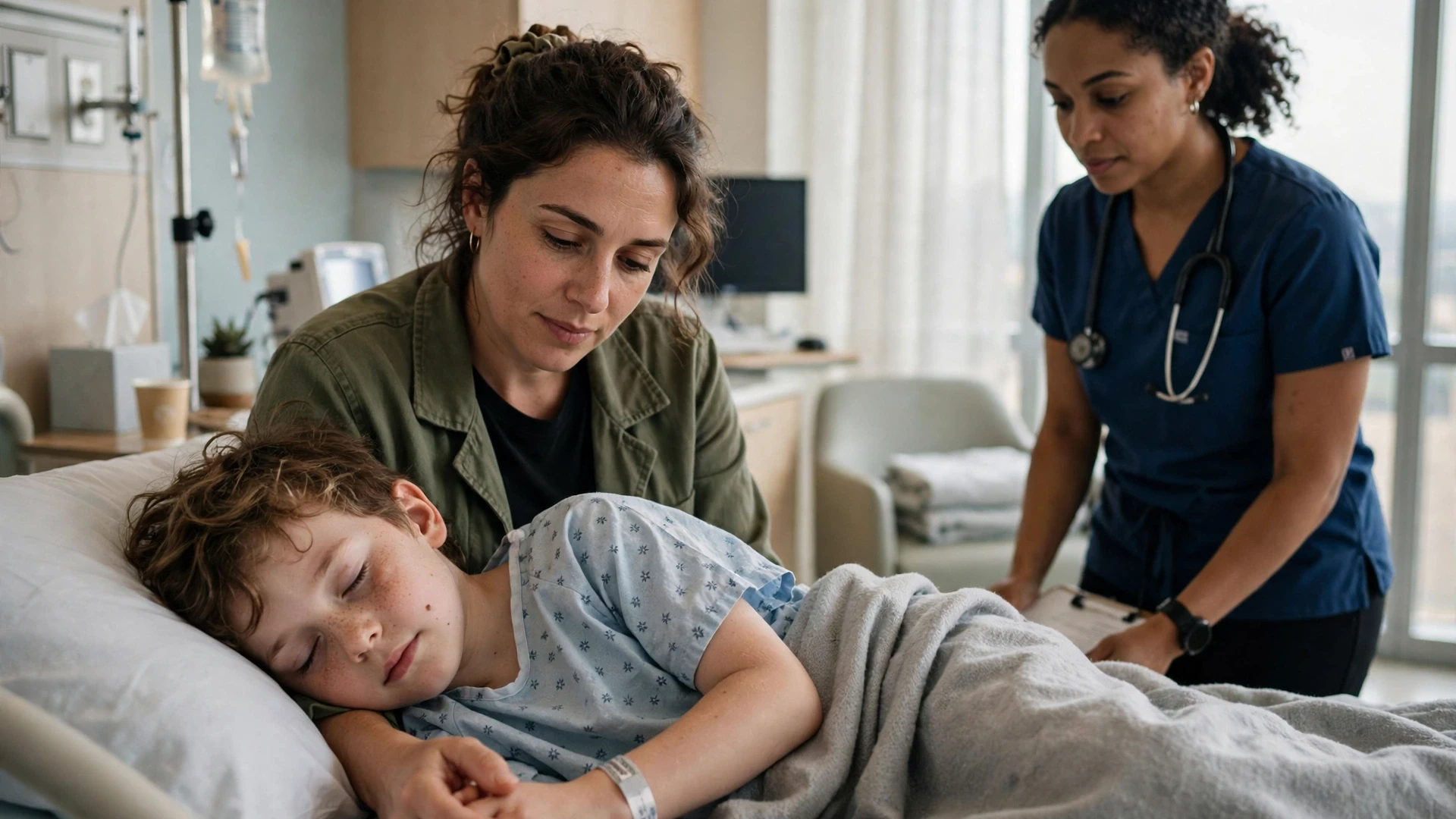
美国食品药品监督管理局于2026年11月17日批准了Lembaz,这是首款被证明能够帮助婴儿型尼曼-匹克C型病患者活得更久的治疗药物。批准范围包括体重至少7公斤、神经系统症状在6岁之前出现的成人和儿童。对许多家庭来说,这一天等了很久。
尼曼-匹克C型病简称NPC,是一种罕见的遗传病,大约每15万人中有1人患病。患者的基因出现缺陷,细胞无法把胆固醇和其他脂肪运送到应去的地方,脂肪在细胞内堆积,损害大脑和其他器官。婴儿型患者的病情最为严重,此前没有任何获批药物被证明可以延长他们的生命。
美国食品药品监督管理局的决定基于36名接受Lembaz治疗的患者的数据,这些患者分布在三项临床研究和一项扩大使用计划中。他们所有人的神经系统症状都在6岁之前出现。与从既往记录中挑选的相匹配的未治疗患者相比,治疗组患者的死亡风险降低了55%。治疗组的中位生存期达到8.5年,而对照组为4.9年。
这种比较采用了匹配的外部对照,而不是随机安慰剂组,这在非常罕见的疾病中很常见,因为大规模试验很难开展。监管机构认为这种比较充分且控制良好,生存差距足够大,足以支持批准。研发这款药物的Beren Therapeutics公司表示,Lembaz应在12月初抵达美国各地的治疗中心。
Lembaz的作用方式
Lembaz的通用名是adrabetadex,通过注射进入脊髓周围的液体发挥作用。它的作用方式很直接:环糊精分子帮助把困在细胞内的胆固醇运送出来,从而针对导致NPC的转运失败这一根本问题。2024年,另外两种治疗NPC的药物获得了美国食品药品监督管理局的批准,但没有一种被证明可以降低死亡风险。Lembaz是首款越过这一关的药物,研发过程中还获得了突破性疗法认定。
这次批准是约20年前在美国国立卫生研究院开始的研究的成果。科学家们在2006年启动了一项自然史研究,长期跟踪NPC患者,记录疾病如何发展,这份长期记录后来成为监管机构需要的对照组。芝加哥拉什大学医学中心的伊丽莎白·贝里-克拉维斯医生与Beren Therapeutics合作,完成了促成批准的生存分析。
自然史研究之所以重要,是因为NPC极为罕见,传统的安慰剂对照试验需要多年才能招满患者,而且会要求病情很重的儿童不接受治疗。相反,国立卫生研究院的团队年复一年测量未治疗患者的疾病进程,这份记录成为标尺。当治疗患者的寿命超过标尺预测时,差距清晰到足以让监管机构采取行动。这项工作始于国立卫生研究院的Bench-to-Bedside计划,该计划把实验室研究与患者研究结合起来,经历了三项临床研究和一项扩大使用计划,后者让试验之外的患者也能在证据仍在收集期间获得药物。
监管机构原定的决策日是2026年8月17日,随后推迟了三个月,11月才最终放行。批准授予Beren Therapeutics的子公司Mandos, LLC。对于婴儿型NPC患儿的父母来说,实际的下一步是询问专科医生Lembaz是否适合自己的孩子,以及所在中心预计何时收到首批药物。
这款药物带有关于听力损害的黑框警告,包括永久性听力损失,因此治疗开始前必须检查听力,治疗期间也要持续监测。这一风险会在每一次治疗决定中加以权衡,与之相对的是这种疾病会在幼儿期大幅缩短生命。批准并不意味着治愈NPC,也不能逆转已经造成的损伤,但它给了家庭此前没有的东西:一种有生存数据支撑的治疗选择。
医学界的好消息不止这一件。本站美国最佳医生系列介绍了比佛利山庄介入放射科医生保罗·奥康纳获得病人盛赞的故事,刘凤珍博士作为跨越国界的医学科学家也展现了医生如何把研究带到病人身边,而纽约一场慈善时装秀为圣裘德儿童研究医院筹款,同样把目光投向了患病儿童的未来。Lembaz与它们不同,它的批准建立在患者活得更久这一结果之上,而不是某项实验室指标向好的方向移动。
Beren Therapeutics预计Lembaz将于2026年12月初在全国治疗点上市。公司尚未公布价格,能否用上将取决于保险覆盖以及各中心建立脊髓注射安排的进度。包括美国国家尼曼-匹克病基金会在内的患者团体欢迎这一决定,称这是面向最年幼、受影响最重的患者群体的首个以生存为依据的选择。
English
The U.S. Food and Drug Administration approved Lembaz on November 17, 2026, the first treatment shown to help people with infantile-onset Niemann-Pick disease type C live longer. The approval covers adults and children who weigh at least 7 kilograms and whose neurological symptoms began before age 6.
Niemann-Pick disease type C, known as NPC, is a rare inherited disorder that affects about 1 in 150,000 people. A faulty gene leaves cells unable to move cholesterol and other fats where they belong, so the fats build up inside cells and damage the brain and other organs. Children with the infantile-onset form face a severe course, and until now no approved medicine had been shown to extend their lives.
The FDA based its decision on survival data from 36 patients treated with Lembaz across three clinical studies and an expanded access program. All of them had neurological symptoms that started before age 6. Compared with a matched group of untreated patients drawn from earlier records, the treated patients had a 55 percent lower risk of death. Median survival reached 8.5 years in the treated group against 4.9 years in the control group.
That comparison used matched external controls rather than a randomized placebo group, which is common in very rare diseases where a large trial is hard to run. The FDA judged the comparison adequate and well controlled, and the survival gap was large enough to support approval. Beren Therapeutics, the company behind the drug, said Lembaz should reach treatment centers across the United States in early December.
Lembaz is the generic drug adrabetadex, given by injection into the fluid around the spinal cord. It works in a direct way: the cyclodextrin molecule helps move trapped cholesterol out of cells, which addresses the transport failure at the root of NPC. Two other medicines for NPC won FDA approval in 2024, but neither had been shown to reduce the risk of death. Lembaz is the first to clear that bar, and the FDA granted it Breakthrough Therapy designation along the way.
The approval caps research that began about 20 years ago at the National Institutes of Health. Scientists there started a natural history study in 2006 that followed people with NPC and tracked how the disease progressed, and that long record later gave regulators the comparison group they needed. Dr. Elizabeth Berry-Kravis at Rush University Medical Center in Chicago worked with Beren Therapeutics on the survival analysis that led to the approval.
The natural history study mattered because NPC is so rare that a traditional trial with a placebo group would have taken years to fill and would have asked very sick children to go without treatment. Instead, the NIH team measured the disease as it ran its course in untreated patients, year after year, and that record became the yardstick. When the treated patients lived longer than the yardstick predicted, the gap was clear enough for the FDA to act. The work began under the NIH Bench-to-Bedside program, which pairs laboratory research with patient studies, and it ran through three clinical studies plus an expanded access program that let patients outside the trials receive the drug while the evidence was still being gathered.
Families have waited a long time for this step. The FDA had set an original decision date of August 17, 2026, then pushed it back by three months before giving the green light in November. The approval went to Mandos, LLC, a subsidiary of Beren Therapeutics. For parents of a child diagnosed with infantile-onset NPC, the practical next step is to ask their specialist whether Lembaz fits their child and when their center expects its first doses.
The drug carries a boxed warning for hearing impairment, including permanent hearing loss, so hearing must be checked before treatment starts and watched during it. That risk will weigh in every treatment decision, and doctors will balance it against a disease that shortens life sharply in young children. The approval does not cure NPC, and it does not reverse damage already done, but it gives families something they did not have before: a treatment with survival data behind it.
Beren Therapeutics expects Lembaz at treatment sites nationwide in early December 2026. The company has not published a price, and access will depend on insurance coverage and on each center setting up the spinal injections. Patient groups, including the National Niemann-Pick Disease Foundation, welcomed the decision as the first survival-based option for the youngest and hardest-hit patients.
此报道亦见于News Today World, American Morning Herald, American Morning Post, The American Newsroom, Le Miroir Français, Revista Minutos。









































Be First to Comment