
作者:Mark Rafter 博士(Dr. Mark A. Rafter)
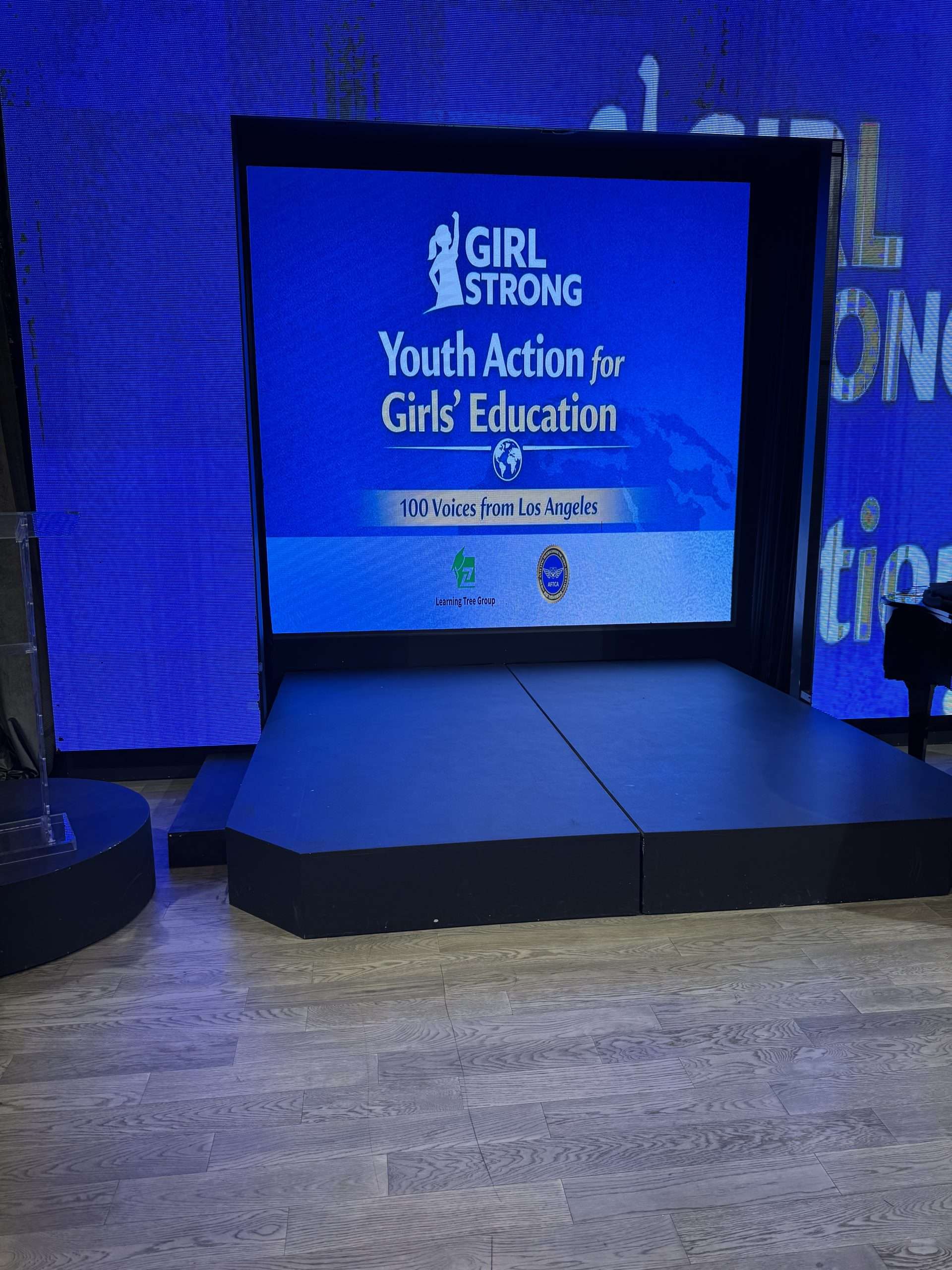
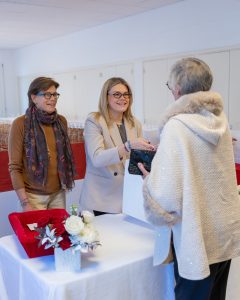
作为编辑总监和“当代马可·波罗”,我经常受邀参加南加州及其他地区有意义的活动。今天,我参加了由 Learning Tree Group 在加利福尼亚州工业市组织的“女孩力量”青年行动支持女童教育“洛杉矶100个声音”活动。许多嘉宾出席活动,表彰一群才华横溢的青年领袖为支持非洲女童和妇女所做的杰出社区服务努力和国际援助工作。南加州的文化与公益活动一向丰富,例如2026硅谷AI电影节在比佛利山庄举行。
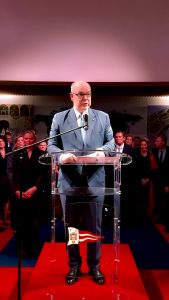
活动中有几场精彩的演讲,但其中一场尤其打动了我,那是一位名叫 Ivy Lu 的年轻女性关于女性平等的激情演讲。我深受感动,于是请求允许全文转载她的演讲。她欣然同意了。
我很荣幸与大家分享这篇演讲,全文如下,一字未改。
当我站在这里发表演讲时,世界上某个地方有一位女性。她和我有着同样的热情,同样的道德观。她和我一样深爱着她的家人。她想帮助其他女性,就像我一样。
但她没有站在舞台上。她坐在难民营里,担心她的孩子们今晚吃什么,担心她是否还能回到家乡。
而事实是,她永远不会有机会发表这篇演讲,因为她没有发声的机会。
世界上某个地方有一位女性,人们告诉她,她的教育无关紧要。有一个女孩步行数英里去上学,却被告知她不能留下来。
有一位女性做着同样的工作,却仍然拿着更低的报酬,仅仅因为她是女性。
有一位女性,人们让她保持沉默,让她变得渺小,让她隐形。
而多年来,我们一直容忍着这一切。
多年来,女性被告知她们不属于权力的世界。1848年,女性要求被倾听的权利。1920年,她们终于赢得了投票权。近88年后的2008年,我们是否真正拿回了我们全部的权利?
然而,在这一切之后,这些进步究竟给了我们什么?
撒哈拉以南非洲的女性每年花约400亿小时取水。在柬埔寨,48%的农村女性是文盲,而农村男性的这一比例为14%。
解决方案不会自行到来。根据联合国妇女署的一份报告,我们需要292年才能实现性别平等。
在那之前,这种不公平将继续存在。
近三分之一的女性仍将面临性侵犯。六分之一的人经历过未遂或既遂的强奸。61%发生在18岁之前,其中约20%在12岁以下。
这一切何时才能结束?
我们何时才能摘下玫瑰色的眼镜,意识到这个问题在未来三个世纪里仍将普遍存在?如果它持续到22世纪呢?23世纪、24世纪呢?
我们是否必须跪在政府面前,乞求基本人权?像我这样的少女,是否必须站在人群面前演讲,才能把道理讲清楚?
必须采取行动了。
我们需要从支持像这样为女性教育和安全而奋斗的组织开始。我们需要利用这个舞台,这个平台,告诉人们做女人究竟意味着什么,做女人有多么艰难。
世界上某个地方有一位女性,她永远不会知道我的名字。
但我仍然可以为她而战。我仍然可以为她发声。我可以选择不忽视她。
还有其他数以百万计的人,她们跪在祈祷垫上,希望有一天能像我们一样发出自己的声音。
因为总有一天,会有人站在我现在站的地方,一年后,十年后,甚至一百年后,发表这样的演讲。
因为我们选择了关心,因为我们选择了行动,因为我们选择了不保持沉默。
那位女性,终将站在我现在站的地方,拥有属于她自己的声音。
编者按:
在报道不同文化、国家和社区的活动时,正是这样的时刻提醒我们,真正的领导力从何开始。它并不总是来自权力的讲台,而是来自信念的声音。Ivy Lu 的话不仅反映了今天的挑战,也清晰地预示了明天的领导力。如果要实现有意义的全球进步,它将由愿意以清晰、勇气和同情心发声的青年领袖来推动。正如印度太阳能装机达175吉瓦所显示的发展努力一样,改变正在世界各地发生。现在,责任落在我们所有人身上,不仅要倾听,更要行动。
English
By Dr. Mark A. Rafter
As Editorial Director and The Modern-Day Marco Polo, I am often invited to attend meaningful events across Southern California and beyond. Today, I attended the Girls Strong Youth Action for Girls’ Education “100 Voices from Los Angeles” event, organized by Learning Tree Group in the City of Industry, California. Many dignitaries were present to honor the outstanding community service efforts and international outreach being carried out in support of girls and women in Africa by a talented group of young leaders.
Several excellent speeches were delivered during the program, but one in particular, passionately presented by a young woman named Ivy Lu on the subject of Women’s Equity, moved me so deeply that I requested permission to reprint her speech in full. She graciously agreed.
It is my privilege to share it with you-exactly as delivered.
As I stand here giving this speech, There is a woman somewhere in the world. She has the same passions as me. The same morals. She loves her family just as deeply. She wants to help other women. Just like I do.
But she is not standing on a stage. She is sitting in a refugee camp. Wondering what her children will eat tonight. Wondering if she will ever return home again.
And the truth is- She will never get the chance to give this speech. Because she does not have a voice.
There is a woman somewhere in the world Who is told her education does not matter. A girl who walks miles to school, only to be told she cannot stay.
There is a woman who works the same job, And is still paid less- Simply because she is a woman.
There is a woman who is told to stay quiet. To stay small. To stay invisible.
And for years, we’ve allowed it.
For years, women were told they did not belong in the world of power. In 1848, women demanded the right to be heard. In 1920, they finally won the right to vote. Almost 88 years later, in 2008-did we fully get all of our rights back.
And yet-after all of that-what has that progress truly given us?
Women in sub-Saharan Africa spend about 40 billion hours a year collecting water. In Cambodia, 48 percent of rural women are illiterate compared to 14 percent of rural men.
This solution will not come on its own. According to a report by UN Women, it will take us 292 years to reach gender equality.
So until then, this unfairness will continue.
Nearly 1 in 3 women will still face sexual assault. 1 in 6 experiencing attempted or completed rape. 61% occur before 18, roughly 20% are under the age of 12.
When will it end?
When will we take off the rose-colored glasses and realize this issue will be prevalent for the next three centuries? What if it prevails through the 22nd century? The 23rd, the 24th?
Will we have to beg at the knees of the government for BASIC human rights? Will teenage girls like me have to speak to a crowd to finally get a point across?
Something has to be done.
We need to start by supporting organizations like this that fight for women’s education and safety. We need to use THIS stage, THIS platform-to tell people what it truly means to be a woman, and how hard it is to be one.
There is a woman somewhere in the world Who will never know my name.
But I can still fight for her. I can still talk for her. I can choose not to ignore her.
And the millions of others who kneel on prayer mats, hoping one day they can speak with voices like we do.
Because one day, someone will stand where I am standing now- In a year, a decade, or even a century- And deliver a speech like this.
BECAUSE we chose to care. Because we chose to act. Because we chose not to stay silent-
That woman… will finally stand where I am standing now- with a voice of her own.
Closing Editorial Note:
In covering events across cultures, nations, and communities, it is moments like this that remind us where real leadership begins. Not always from podiums of power, but from voices of conviction. Ivy Lu’s words are not only a reflection of today’s challenges but a clear signal of tomorrow’s leadership. If meaningful global progress is to be achieved, it will be driven by young leaders willing to speak with clarity, courage, and compassion. The responsibility now rests with all of us-not only to listen-but to act.
原文发表于 News Today World,作者为 Mark Rafter 博士。


































Be First to Comment