
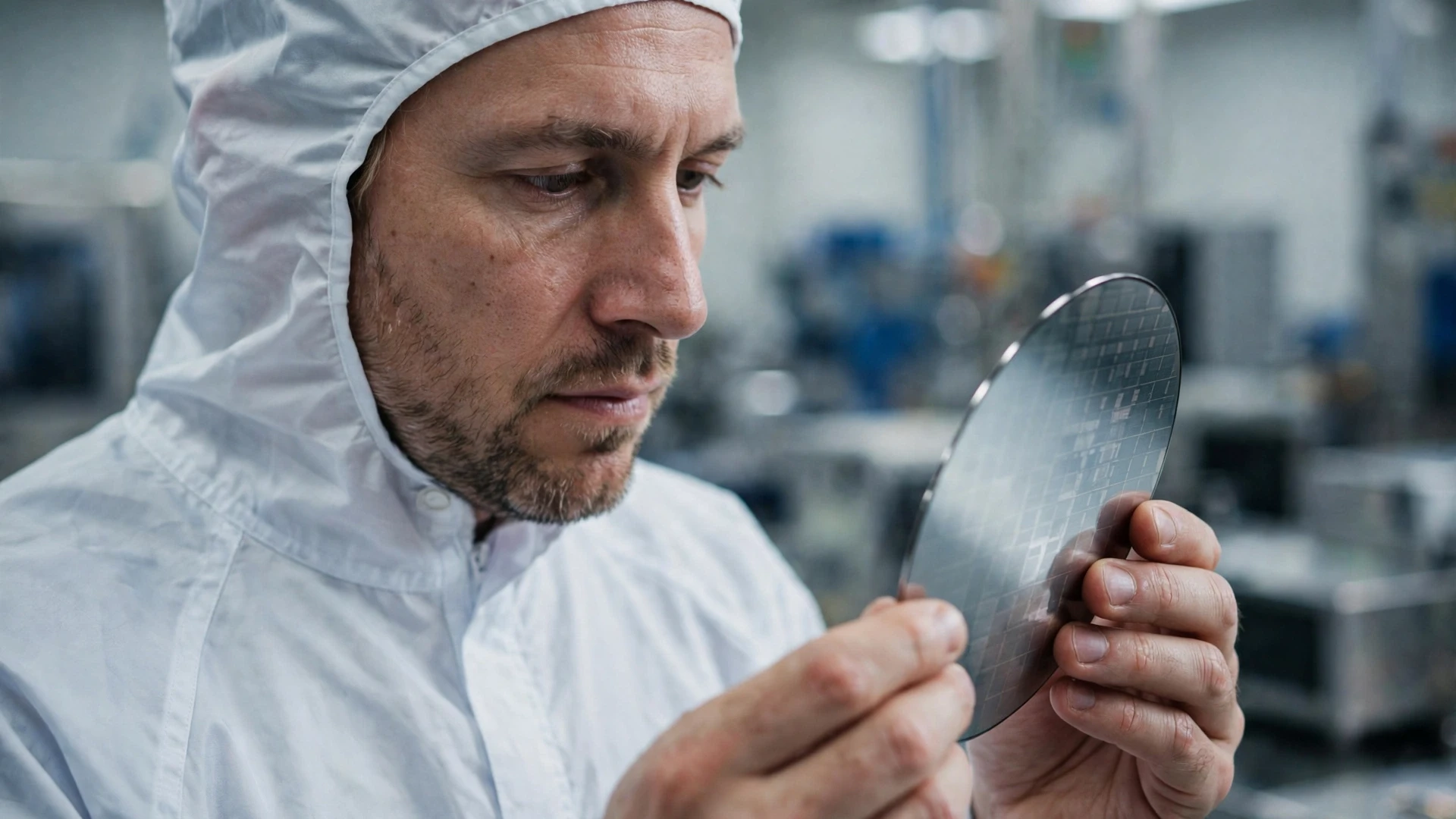
OpenAI于11月18日发布一份技术报告,称其模型改写了AMD旗舰GPU设计的部分内容,在功耗、性能和面积上比AMD已经多年打磨的基线提升了最高14%。公司还表示,其模型在自家推理芯片Jalapeno的向量计算单元中将标准单元面积削减了约13%,在矩阵计算单元中削减了约10%,相关改动已在实验室的实际芯片上得到验证。
这份报告题为《用OpenAI模型推进芯片设计》,是迄今为止最具体的证据,说明前沿模型能够为运行它们自身的芯片的工程工作做出贡献。这项工作处于RTL层级,也就是用SystemVerilog编写的描述芯片电路的代码。模型提出改写方案,Synopsys的设计软件检查每个改写后的模块是否仍与原始模块表现一致,然后再对功耗、性能和面积的取舍进行评分。14%这一数字是OpenAI所描述的选定GPU知识产权上的综合PPA提升,并不意味着GPU运行速度快14%,OpenAI也没有点名具体的GPU产品或获得提升的模块。
根据OpenAI的说法,AMD已将部分模型提出的改动放入最近送去制造的设计中,并将其余改动加入生产设计文件,供后续产品使用。公司还表示,AMD在其下一代旗舰CPU的关键模块上验证了个位数的PPA提升,所用的设计由模型编写。截至11月19日,AMD尚未就这项工作发表自己的声明,也没有公布GPU或CPU结果的自家数据,因此报告中的数字是OpenAI对一项联合工作的表述。
Jalapeno的起点
与AMD的合作源于Jalapeno,这是OpenAI为运行自家模型而设计的第一款定制推理芯片。OpenAI的工程师从2025年初开始使用GPT-4o帮助设计Jalapeno,公司表示即使是早期的模型也发现了真实的改进。OpenAI于8月首次分享Jalapeno的故事,当时称模型的帮助让团队在九个月内从初始设计走到了流片。11月的报告补充了实验室结果:一项乘法器重新设计使用的单元面积减少了约15%,同时延迟从两个时钟周期降至一个时钟周期,芯片上被接受的改动让向量单元的面积削减了约13%,矩阵单元削减了约10%。
OpenAI估计,与AMD GPU相关的工作把大约一年的设计优化压缩到了不到五个月。这是一家公司的估计,而不是实测的时间表,它建立在与14%这一数字相同的比较基础之上:一个人类工程师已经反复打磨过的高度优化基线。这一说法的重点不在于模型取代了工程师,而在于它们在人类团队已经仔细查找过的设计中发现了改进,并且发现的速度足以影响产品进度。
报告对其自身方法的弱点也直言不讳。OpenAI在两个开源32位RISC-V核心上进行了9881次评分尝试,并表示模型在根据规格从头设计核心时的得分高于改进真实核心时的得分。部分差距来自模型省略了基准测试没有奖励的功能,例如性能计数器和额外指令。因为模型跳过了芯片所需的工作而上升的分数不是真实的提升,OpenAI指出了这个问题,而不是加以掩盖。公司表示,在根据规格设计的得分能够像AMD生产结果那样被信任之前,需要更严格的评估。
AMD合作与Synopsys伙伴关系
OpenAI还宣布与电子设计自动化厂商Synopsys建立合作,训练一款名为GPT-Synopsys的新模型。该模型旨在像专家一样使用Synopsys软件:提出改写方案,证明它仍然有效,对其评分,然后保留或丢弃。这一循环是11月报告的核心,把它变成一个经过训练的模型,而不是一次性的实验,是让其他芯片团队无需从头搭建就能使用同样方法的步骤。
时间点对AMD很重要。过去两年里,公司一直在努力缩小与人工智能加速器领域主要竞争对手的差距,而一款能够从同样硅片中挤出更多性能的设计工具,比一个新的产品名称更有价值。OpenAI的模型没有设计一款新的AMD芯片,而是改写了AMD已有设计内部的电路,由AMD决定保留哪些改写。这一说法比标题暗示的要小,同时也更有用,因为它描述的是已经进入制造的工作,而不是有朝一日可能进入制造的工作。人工智能的应用同样出现在其他场合,例如IM DATA全球年会聚焦人工智能与大数据技术,与会者围绕人工智能与大数据展开了讨论。另一场交流活动是中美跨文化交流研讨会聚焦合作、传承与友谊,聚焦合作与传承的主题。
这份报告也让OpenAI自家芯片工作的轮廓更加清晰。Jalapeno是一款为运行OpenAI模型而打造的推理芯片,公司与Broadcom一起将其作为首款智能处理器推出。11月的数据显示,这款芯片不仅在模型帮助下完成设计,还在实验室能够确认的方式上得到了改进。向量单元面积削减13%、矩阵单元削减10%,属于在生产规模扩大时能够降低每颗芯片成本的节省,而这些节省来自OpenAI如今希望通过Synopsys向整个行业推广的同一循环。
更广泛的问题在于这一循环能够走多远。芯片设计一直是一门缓慢的手艺,每一代需要数年时间,每一次改进以个位数百分比衡量。如果一款工具能够在几个月内发现两位数的提升,并且结果在更多设计和更多团队中站得住脚,它将改变这门手艺的节奏。11月的报告只是一个数据点,而且来自制造这些模型的公司,因此它应当被当作有待检验的主张,而不是可以存入银行的结果。检验将在其他芯片团队公布自己的数字时到来,也将在AMD的下一代产品带着模型提出的改动到达客户手中时到来。OpenAI于11月17日推出的GPT-6.2 Astra模型在报告的RISC-V核心测试中取得了最高的平均分,这把芯片工作与公司如今销售的模型系列直接联系在一起。
微软在同一周的Ignite大会上推进自家模型,显示行业其余部分正朝着同一个方向前进,七款MAI模型进入Copilot和Foundry。竞争不再只是谁造出最大的模型,而是谁能用模型更快地造出其他一切,而芯片正是这场竞争如今展开的地方。OpenAI的完整技术报告已在其网站上发布,供希望在信任标题之前阅读方法的工程师参考。
English
OpenAI published a technical report on November 18 saying its models rewrote parts of AMD’s flagship GPU design and improved power, performance and area by up to 14 percent against a baseline AMD had already spent years tightening. The company also said its models cut standard-cell area by about 13 percent in the vector compute unit and about 10 percent in the matrix compute unit of its own inference chip, Jalapeno, with the changes verified on the actual chip in the lab.
The report is titled Advancing chip design with OpenAI models, and it is the most concrete evidence yet that frontier models can contribute to the engineering of the chips they run on. The work sits at the RTL level, the code that describes a chip’s circuits, written in SystemVerilog. The models proposed rewrites, and Synopsys design software checked that each rewritten block still behaved like the original before scoring the trade-offs in power, performance and area. The 14 percent figure is a combined PPA improvement on selected GPU intellectual property, as OpenAI describes it. It does not mean the GPU runs 14 percent faster, and OpenAI does not name the GPU product or the blocks where the gains were found.
AMD has put some of the model-proposed changes into a design recently sent for manufacturing, according to OpenAI, and added others to production design files for use in later products. The company also says AMD verified single-digit percentage PPA gains across key blocks of its next flagship CPU, using designs written by the model. AMD had published no statement of its own on the work as of November 19, and it has not published its own figures for either the GPU or the CPU result, so the numbers in the report are OpenAI’s account of a joint effort.
Jalapeno, the starting point
The AMD work grew out of Jalapeno, the first custom inference chip OpenAI designed to run its own models. OpenAI engineers began using GPT-4o to help design Jalapeno in early 2025, and the company says even that early model found real improvements. OpenAI first shared the Jalapeno story in August, when it said model help let the team go from initial design to tapeout in nine months. The November report adds the lab results: one multiplier redesign used about 15 percent less cell area while cutting latency from two clock cycles to one, and the accepted changes across the chip cut area by about 13 percent in the vector unit and 10 percent in the matrix unit.
OpenAI estimates that the AMD GPU work compressed roughly a year of design optimization into less than five months. That is a company estimate, not a measured schedule, and it rests on the same comparison as the 14 percent figure: a heavily optimized baseline that human engineers had already worked over. The point of the claim is not that the models replaced the engineers. It is that they found improvements in designs where human teams had already looked hard, and that they found them fast enough to matter for a product schedule.
The report is candid about a weakness in its own method. OpenAI ran 9,881 scored attempts on two open-source 32-bit RISC-V cores, and it says models scored higher when designing a core from a specification than when improving a real one. Part of the gap comes from the models leaving out features such as performance counters and extra instructions that the benchmark did not reward. A score that rises because the model skipped work the chip needs is not a real gain, and OpenAI flags the problem rather than hiding it. The company says stricter evaluation is needed before from-specification scores can be trusted the way the AMD production results can.
The AMD work and the Synopsys partnership
OpenAI also announced a partnership with Synopsys, the electronic design automation vendor, to train a new model called GPT-Synopsys. The model is meant to use Synopsys software the way an expert does: propose a rewrite, prove it still works, score it, and keep it or throw it away. That loop is the heart of the November report, and turning it into a trained model rather than a one-off experiment is the step that would let other chip teams use the same approach without building it from scratch.
The timing matters for AMD. The company has spent the past two years trying to close the gap with its main rival in AI accelerators, and a design tool that squeezes more out of the same silicon is worth more than a new product name. OpenAI’s models did not design a new AMD chip. They rewrote circuits inside designs AMD already had, and AMD chose which rewrites to keep. That is a smaller claim than a headline suggests, and it is also a more useful one, because it describes work that has already reached manufacturing rather than work that might reach it one day.
The report also puts OpenAI’s own chip effort in a clearer light. Jalapeno is an inference chip built to run OpenAI’s models, and the company unveiled it with Broadcom as its first Intelligence Processor. The November numbers show the chip was not only designed with model help but also improved by it in ways the lab could confirm. A 13 percent area cut in the vector unit and a 10 percent cut in the matrix unit are the kind of savings that lower cost per chip when production scales, and they came from the same loop OpenAI now wants to sell to the wider industry through Synopsys.
The wider question is how far the loop can go. Chip design has always been a slow craft, with each generation taking years and each improvement measured in single-digit percentages. A tool that finds double-digit gains in months would change the pace of that craft if the results hold up across more designs and more teams. The November report is a single data point, and it comes from the company that built the models, so it should be read as a claim to test rather than a result to bank on. The test will come when other chip teams publish their own numbers, and when AMD’s next products reach customers with the model-proposed changes inside them. The GPT-6.2 Astra model that OpenAI launched on November 17 posted the highest average scores in the report’s RISC-V core tests, which ties the chip work directly to the model line the company sells today.
Microsoft’s own model push at Ignite the same week shows the rest of the industry moving the same way, with seven MAI models going into Copilot and Foundry. The race is no longer only about who builds the biggest model. It is about who can use models to build everything else faster, and chips are the place where that race is now being run. OpenAI’s full technical report is published on its site for engineers who want to read the method before they trust the headline.
此报道亦见于News Today World, Manhattan Mogul, Billionaire Herald, The American Newsroom, Le Miroir Français, Revista Minutos。

































Be First to Comment