
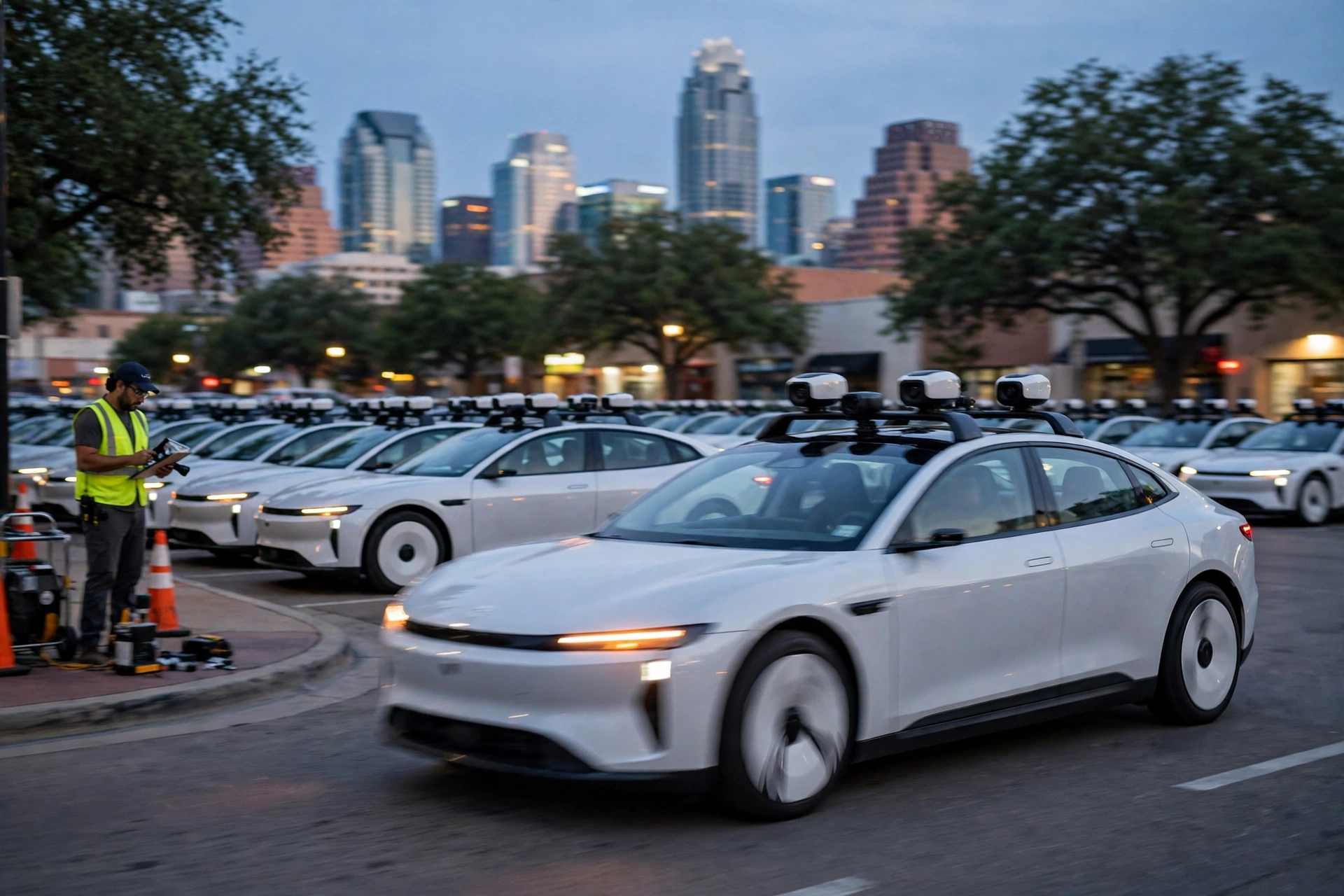
根据得克萨斯州机动车管理局11月22日公布的登记数据,特斯拉目前在得州登记的机器人出租车达到1507辆,超过Waymo的1364辆。领先来自登记文件,而不是街头实际运营的车辆清点。11月17日,特斯拉一次性提交了201辆车的登记,使总数从1306辆升至1507辆。
登记是车辆获准在该州从事机器人出租车运营的步骤,并不意味着这辆车今天就在载客。已登记的车辆可能停在停车场里等待软件更新、清洁或路线分配。这一点在这次比较中很重要,因为两家公司公布的运营数据口径差别很大,而州登记表是少数能把两家公司放在同一张表里的数据来源。
在同一次更新中,Waymo的得州登记数增加了43辆,达到1364辆。亚马逊旗下的Zoox增加了22辆,达到85辆。三个数字放在一起看,得州的无人驾驶车队目前仍以两家公司为主,Zoox则在逐城扩张的同时积累较小的基数。中国企业也在这一领域加速布局,例如文远知行单季度机器人出租车收入已突破1亿元,显示全球主要市场的竞争正在同步升温。
登记数字能说明什么,不能说明什么
从实际运营规模看,Waymo公布的数字仍然更大。该公司在美国各市场运营3000多辆车,每周完成50多万次无人驾驶出行。特斯拉没有公布得州业务可比的每周出行次数或无人驾驶里程,因此无法用公开数据把两家公司的服务逐项对齐。
特斯拉展示的是提交登记的速度。从9月约45辆,到11月中旬773辆,再到一周后突破1500辆,这条登记曲线与产能爬坡的节奏一致。登记车辆包括11月19日在达拉斯开始公开载客的专用车型Cybercab,也包括自4月起在奥斯汀运营的无人驾驶Model Y。每一次登记,都是公司向州政府申报计划投入运营的一辆车。得州的无人驾驶货运也在同步扩大,Bot Auto已开始按英里出售无人驾驶卡车运力,协议覆盖2亿英里,工厂、登记系统和运营许可集中在同一个州,是得州反复出现在这些新闻中的原因。
对乘客来说,登记领先本周还不会改变什么。车辆仍需完成部署、充电、清洁并匹配服务区域,登记文件才会变成一次真实出行。下一次登记更新将显示11月的速度能否保持,特斯拉若公布自己的出行数据,也能补上登记表无法回答的比较。
English
Tesla now has 1,507 robotaxis registered in Texas, ahead of Waymo at 1,364, according to Texas Department of Motor Vehicles registry data published on November 22. The lead comes from paperwork, not from cars counted on the street, and the registry itself is the source: a single batch on November 17 added 201 Tesla vehicles, lifting the company from 1,306 to 1,507 in one filing.
Registration is the step that authorizes a car to work as a robotaxi in the state. It does not say the car is carrying anyone today. A registered vehicle can sit in a depot waiting for software, cleaning, or a route assignment. That distinction matters here, because the two companies publish very different amounts of operating data, and the registry is one of the few places where both appear in the same table.
Waymo’s Texas count rose by 43 in the same update, to 1,364. Zoox, Amazon’s robotaxi company, rose by 22, to 85. The three numbers together show a state fleet that is still mostly a two-company contest, with Zoox building a smaller base while it expands city by city.
The registry numbers, and what they do not show
On service scale, Waymo’s published figures remain the larger ones. The company runs more than 3,000 vehicles across its United States markets and completes over 500,000 driverless trips a week. Tesla does not publish a comparable weekly trip count or a driverless mileage total for its Texas operation, so there is no honest way to line the two services up trip for trip from public data.
What Tesla has shown is speed of filing. Going from about 45 registered cars in September to 773 by mid-November, and then past 1,500 a week later, is a paperwork ramp that matches a production ramp. The cars being registered include the purpose-built Cybercab, which began public rides in Dallas on November 19, and driverless Model Y vehicles that have worked in Austin since April. Each registration is a car the company has told the state it intends to run.
Texas makes this kind of count possible because it registers robotaxis at the state level. Most states leave the public record scattered across permits, city filings, and company statements. A single registry gives fleet watchers, insurers, and competitors the same starting number, even if it cannot tell them how busy any individual car has been.
Austin, Dallas, and the home-state effect
Tesla builds cars in Texas and runs its robotaxi program from there, so the state is the natural place for its fleet to concentrate first. Austin was the launch city, Dallas followed with Cybercab rides this month, and Houston, Fort Worth, and San Antonio fill out a Texas network that the company can supply from its own factory in Austin. Short supply lines help when a fleet grows by hundreds of cars in a single week.
For riders, the registration lead changes nothing this week. Cars still have to be deployed, charged, cleaned, and matched to a service area before a filing becomes a ride. The next registry update will show whether the November pace holds, and Tesla’s own trip numbers, if the company chooses to publish them, would settle the comparison the registry cannot.
这篇报道的版本还见于News Today World, Manhattan Mogul, Newsy USA, American Morning Herald, Revista Minutos and Le Miroir Francais。
Watch the Short on YouTube:






























Be First to Comment