
谷歌于2026年11月20日公布了其为非营利组织Watch Duty开发的Gemini无线电转录工具的结果,报告称在退化的甚高频无线电音频上,词错误率从工具建成前的38%降至22.34%。
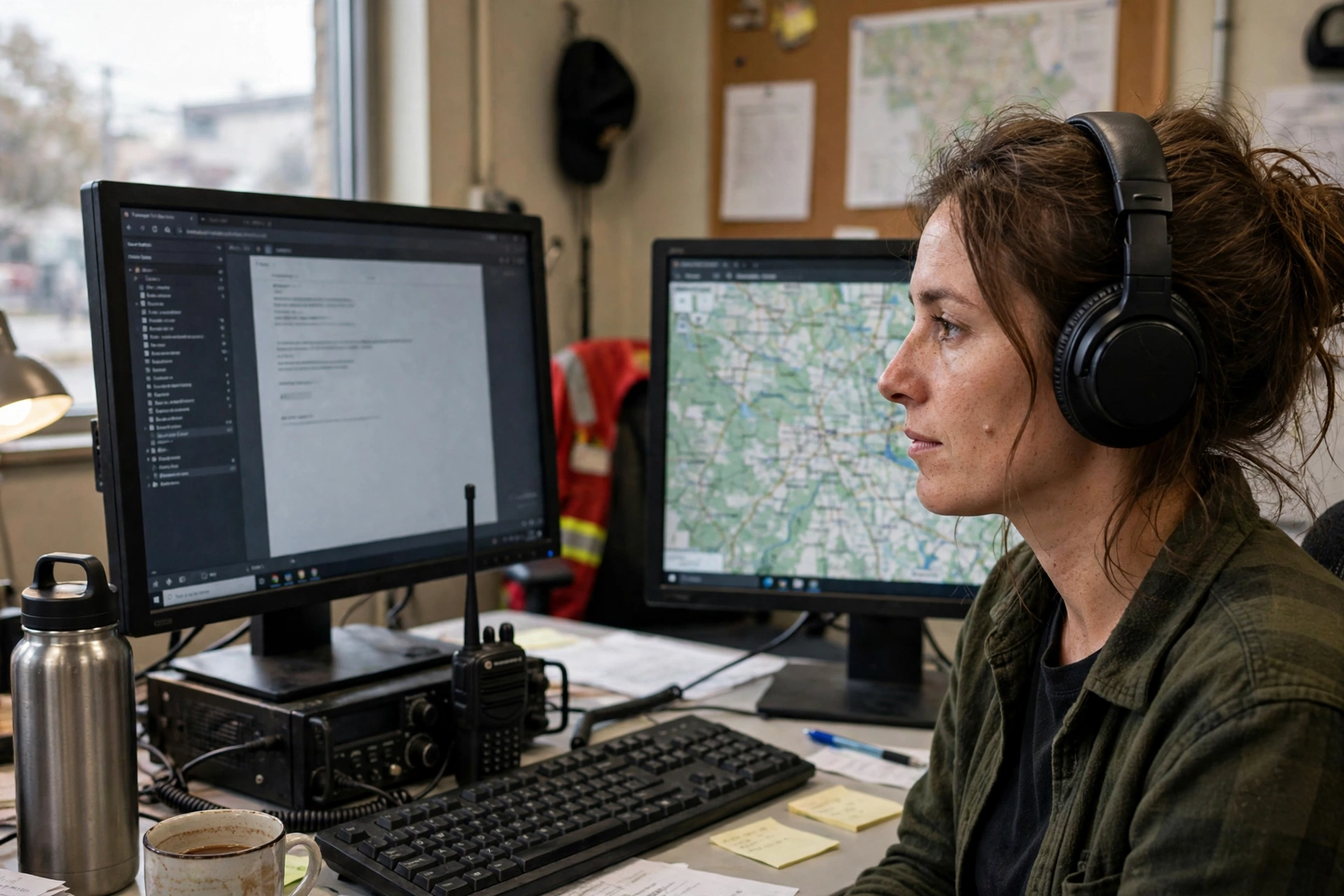
Watch Duty是一项由现役和退休消防员、调度员和急救人员运营的野火警报服务。它的报道员过去要靠耳朵监听多达20路无线电信号,捕捉预示新火情的第一次调度。美国大部分地区的消防无线电仍通过模拟甚高频频道传输,音频中夹杂着发动机噪音、风声和静电,语速很快,还充满当地地名和单位代码。凌晨3点疲惫的监听者可能会错过最关键的那一次呼叫,该组织希望有一双永不休息的耳朵作为补充。
一支谷歌工程师和研究人员团队通过Google.org奖学金计划,全职在Watch Duty工作了六个月。他们用超过20000小时的过往无线电录音训练和调校该工具,教它去除强静电,并将消防术语呈现为干净、可搜索的文本。完成的系统每天从约400路活跃信号中转录超过200小时的无线电语音。谷歌表示,该系统的设计和测试目标是一次处理超过10000路信号,不过这是设计数字,而不是当前的工作量。
2026年7月华盛顿州的铁路大火
最清晰的测试出现在2026年7月,当时铁路大火在华盛顿州夜间起火。第一次911调度通过当地消防无线电发出,该工具从嘈杂的音频中转录了它,并在30秒内将其标记出来。这段提前量让Watch Duty的报道员有时间核实火情并发送紧急警报,这类警报可以突破手机的勿扰设置。谷歌表示,这是Watch Duty有史以来发送的第一次夜间紧急警报。
报道员在警报发出前仍会亲自核实每一起事件。工具提供信号,人来做决定。据谷歌的文章,志愿者对无线电转录工具的满意度在系统上线后从35.3%上升到92.3%。公告中的所有性能数字都是谷歌自己的数据,该公司没有同时发布独立评估。38%这一基线背后的对象也没有指明。读者在权衡这一说法时,仍可以核查其周围的运营事实,首先是该服务的覆盖范围。Watch Duty去年触达了超过1600万人,谷歌云将其Firebase消息上限从60万条提高到100万条,以便警报无需排队即可送达。
无线电工具是一段更长合作关系的一部分。Google.org在2024年向Watch Duty提供了200万美元资助,外加30万美元的谷歌云额度,用于汇编卫星、摄像头和无线电数据以验证新火情。在美国具名火灾期间,谷歌搜索曾在SOS警报中展示Watch Duty,并附有官方指引。不同类型的社区响应工作本周也占据了本网的另一个版位,即纽约假日玩具捐赠活动,共同的线索是当地人负责核查,而更大的系统负责处理数量。
Watch Duty的目标是覆盖全美50个州。每个新州都会带来带有各自代码、口音和地形的无线电网络,转录工具必须像学习第一批录音那样,从录音中学习每一个网络。7月华盛顿州的那次夜间调度是记录在案的一个已核实之夜,而400路信号、每天200小时则是下一个火季将要检验的日常工作量。
转录工作背后的警报路径随着受众一起扩大。Watch Duty通过Firebase云消息发送推送警报,谷歌表示,随着受众去年超过1600万人,它已将该组织的消息上限从60万条提高到100万条。如果完成的警报随后还要在投递队列中等待,转录上的进步就意义不大,因此这两个数字属于同一个故事。30秒内检测到火情和为100万部手机准备的投递能力,是同一条链条上分开的两个环节。
谷歌搜索是另一个环节。在包括帕利塞兹、伊顿、赫斯特和汽车大火在内的美国火灾期间,搜索将Watch Duty放在其SOS警报中,紧挨着官方应急指引。这一位置让该非营利组织的已核实报告出现在从未安装过该应用的人面前。Watch Duty也是Google.org野火人工智能协作组织的成员,该组织将共享的模型和数据转化为机构和响应人员直接使用的工具。
六个月的驻场是其他非营利组织会研究的部分。谷歌没有交出一个成品就离开。它的工程师和研究人员全职在Watch Duty的运营内部工作,可以接触20000小时的真实无线电录音,以及那些花了多年时间靠耳朵解码这些录音的报道员。转录稿中的术语、地名和单位代码都来自这段合作关系。已公布的满意度数字从35.3%上升到92.3%,衡量的是每个班次都使用该工具的报道员。
本网的点亮你的生活播客同样记录了技术与日常工作相遇的场景,侧重点则完全不同。
English
Google published the results of its Gemini radio transcription tool for the nonprofit Watch Duty on November 20, 2026, reporting a word error rate of 22.34 percent on degraded VHF radio audio, down from 38 percent before the tool was built.
Watch Duty is a wildfire alert service run by active and retired firefighters, dispatchers and first responders. Its reporters have traditionally monitored up to 20 radio feeds by ear, listening for the first dispatch that signals a new fire. Fire radio still travels over analog VHF channels in much of the United States, and the audio carries engine noise, wind and static under rapid speech full of local place names and unit codes. A tired listener at 3 a.m. can miss the one call that matters, and the organization wanted a second set of ears that never sleeps.
A team of Google engineers and researchers spent six months embedded full-time with Watch Duty through the Google.org Fellowship. They trained and tuned the tool on more than 20,000 hours of past radio recordings, teaching it to strip out heavy static and to render firefighting terminology as clean, searchable text. The finished system transcribes more than 200 hours of radio speech a day from about 400 active feeds. Google says it has been designed and tested to handle more than 10,000 feeds at once, which is a design figure rather than a current workload.
The clearest test came in July 2026, when the Railroad Fire started at night in Washington. The first 911 dispatch went out over local fire radio, and the tool transcribed it from the noisy audio and flagged it in under 30 seconds. That head start gave Watch Duty’s reporters time to verify the fire and send a Critical Alert, the class of alert that breaks through do-not-disturb settings on a phone. Google says it was the first nighttime Critical Alert Watch Duty had ever sent. Reporters still verify every incident themselves before an alert goes out. The tool supplies the signal, and the humans make the call.
Volunteer satisfaction with the radio transcription tools rose from 35.3 percent to 92.3 percent after the system arrived, according to Google’s post. All of the performance figures in the announcement are Google’s own, and the company does not publish an independent evaluation alongside them. The baseline behind the 38 percent figure is not named either. Readers weighing the claim can still check the operational facts that sit around it, starting with the service’s reach. Watch Duty reached more than 16 million people last year, and Google Cloud raised its Firebase messaging limit from 600,000 to 1 million messages so alerts arrive without a queue.
The radio tool sits inside a longer partnership. Google.org gave Watch Duty $2 million in funding in 2024, plus $300,000 in Google Cloud credits, to compile satellite, camera and radio data for validating new fires. Google Search has featured Watch Duty inside SOS alerts during named fires in the United States, alongside official guidance. Community response work of a different kind filled another flagship slot this week, in the Gallery Chang holiday toy drive for Mommy’s Heart, and the shared thread is local people doing the checking while a larger system handles the volume.
Watch Duty’s stated aim is coverage across all 50 states. Each new state adds radio networks with their own codes, accents and terrain, and the transcription tool has to learn each one from recordings the way it learned the first set. The July dispatch in Washington is one verified night on the record, and the daily load of 200 hours across 400 feeds is the standing workload the next fire season will test.
The alert path behind the transcription work has scaled with the audience. Watch Duty sends its push alerts through Firebase Cloud Messaging, and Google says it raised the organization’s messaging limit from 600,000 to 1 million as the audience passed 16 million people last year. A transcription gain means little if the finished alert then waits in a delivery queue, so the two numbers belong in the same story. Detection in under 30 seconds and delivery capacity for a million phones are separate links in one chain.
Google Search forms another link. During fires in the United States, including the Palisades, Eaton, Hurst and Auto fires, Search placed Watch Duty inside its SOS alerts next to official emergency guidance. That placement put the nonprofit’s verified reports in front of people who had never installed the app. Watch Duty is also part of the AI Collaborative on wildfires at Google.org, a group that turns shared models and data into tools that agencies and responders use directly.
Verified local reporting carried the same weight in the Kingston Allen national record story, where the touchdown count was checked against the game record.
The six-month embedding is the part other nonprofits will study. Google did not hand over a finished product and leave. Its engineers and researchers worked full-time inside Watch Duty’s operation, with access to 20,000 hours of real radio recordings and to the reporters who had spent years decoding them by ear. The terminology in the transcripts, the place names and the unit codes all came from that working relationship. The published satisfaction figure, up from 35.3 percent to 92.3 percent, measures the reporters who use the tool every shift.
读者也可以在 News Today World, Manhattan Mogul, American Morning Herald, Revista Minutos 和 Le Miroir Francais 阅读本报道的其他版本。
































Be First to Comment