
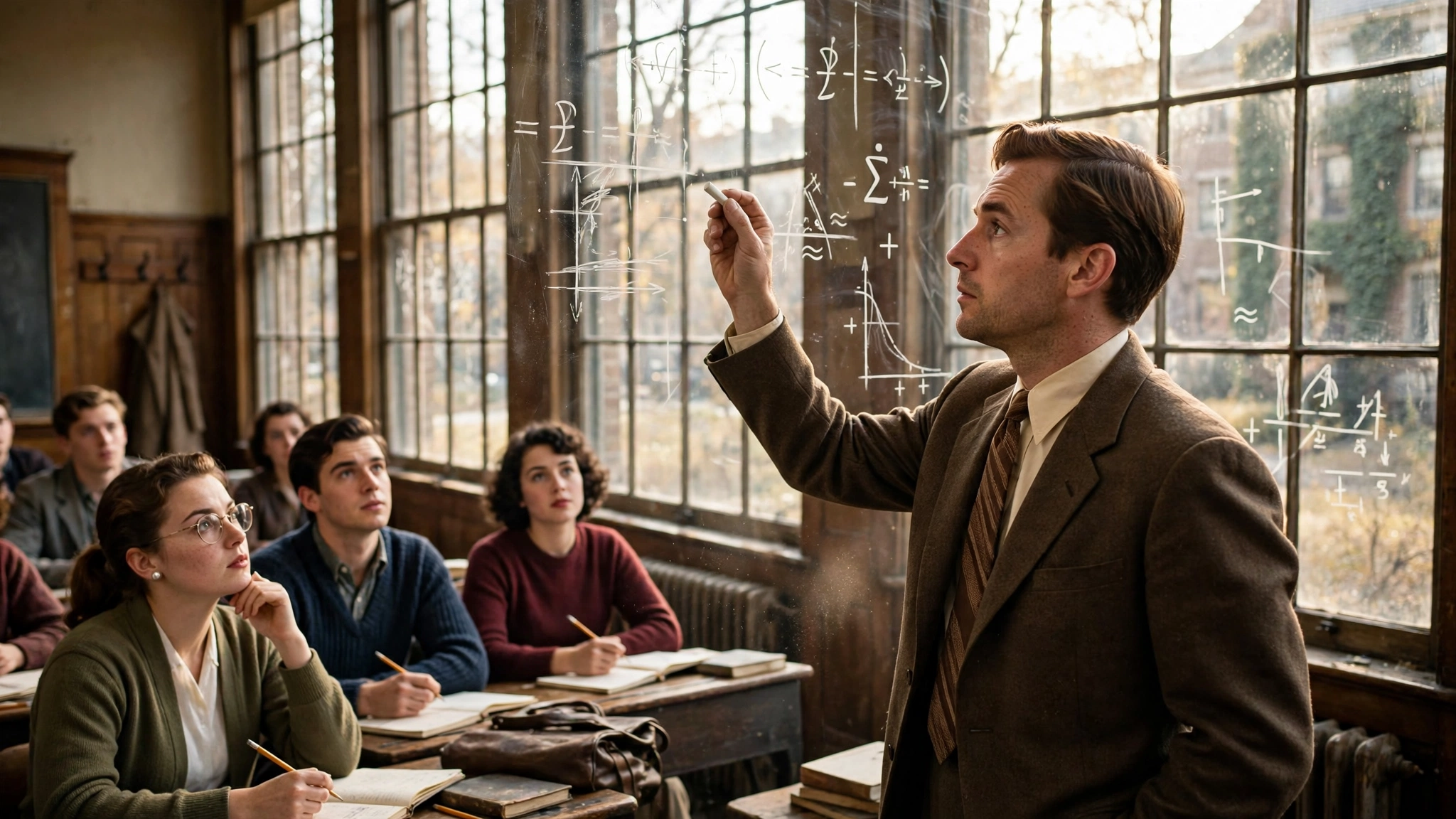
美丽心灵 (A Beautiful Mind) 将于2026年11月22日重返影院, 这是一次列在11月22日和23日的25周年纪念放映。环球影业发行了该片, 朗霍华德担任导演, 罗素克洛饰演数学家约翰纳什。詹妮弗康纳利饰演他的妻子Alicia, Ed Harris, Paul Bettany和Josh Lucas担任配角。片长135分钟, 分级为PG-13。
该片于2001年12月首次上映, 赢得了四项奥斯卡奖, 包括最佳影片和霍华德的最佳导演。康纳利获得奥斯卡最佳女配角奖, Akiva Goldsman凭借改编剧本获奖, 该剧本取材于Sylvia Nasar所著的纳什传记。四分之一个世纪后, 这次周年放映给了观众一个在影院而不是电视上再次观看它的机会, 而这种差别适合这部特定的电影。它的声音设计和安静的讲堂场景, 是为一个没人查看手机的房间而建的。本站近期的娱乐报道还包括迈阿密罗塞尔画廊展览报道。
克洛的表演毫无保留地站得住脚。他先把纳什演成一个才华横溢, 笨拙, 渴望原创想法的普林斯顿研究生, 然后演成一个对现实的把握不断滑落的人, 而影片以渐进的方式揭示这一点。这场表演从不索取同情。克洛即使在自尊正是问题的场景中也保持纳什的自尊完整, 这种选择正是后面段落能打动人的原因。当纳什学会与他的疾病共处, 而不是等待它离开时, 这部电影诚实地赢得了它的情感, 来自观众已经观看了两个小时的行为。
康纳利的表演是这部电影的第二根支柱。Alicia被写成那个必须反复决定忠诚代价的人, 决定自己是否还能继续付出。康纳利把这些决定演得很平实, 没有慷慨陈词, 而平实正是重点。Harris饰演的情报人物Parcher带来了平静的权威感, 让纳什的世界从内部看起来可信。Bettany饰演的室友Charles为普林斯顿的场景提供了所需的温暖。这部制作主要在普林斯顿及周边拍摄, 大学环境不只是装饰。讲堂, 公共休息室和冬日庭院给了这部电影一个安定的, 有生活气息的学术世界。本站的索菲亚王后翻译奖报道等报道也可在站内阅读。
霍华德以对那个时代大型制片厂电影来说不寻常的克制来执导。他让摄影机停留在房间里, 信任James Horner的配乐来承载转场, 并把数学演绎成一种视觉愉悦, 而不是障碍, 数字和图案在窗户和纸页上亮起。Horner的配乐以钢琴和弦乐为基础, 带有一条男童高音声线, 是那一年最受认可的电影配乐之一, 在影院里, 它较安静的段落能以电视扬声器根本无法实现的方式被感受到。仅这一点, 就足以让任何熟悉这部电影的人认为这次周年放映值得一看。
如今再看, 这部电影也像是一份真实人生的记录, 这份人生在字幕之后延续了很久。纳什回到普林斯顿, 凭借博弈论工作分享了1994年诺贝尔经济学奖, 并在校园里活跃了数十年。这部电影压缩和重塑了那个故事的部分内容, 正如传记片常做的那样, 但它的核心主张经受住了时间: 一个头脑可以既非凡又不适, 而它周围的人与治疗同样重要。周年放映于2026年11月22日和23日在参与影院进行, 门票现已通过影院列表出售。
English
A Beautiful Mind returns to theaters on November 22, 2026, in a 25th anniversary engagement listed for November 22 and 23. Universal Pictures released the film, Ron Howard directed it, and Russell Crowe stars as mathematician John Nash. Jennifer Connelly plays his wife Alicia, with Ed Harris, Paul Bettany and Josh Lucas in the supporting cast. The running time is 135 minutes and the rating is PG-13.
The film first opened in December 2001 and won four Academy Awards, including Best Picture and Best Director for Howard. Connelly won the Academy Award for Best Supporting Actress, and Akiva Goldsman won for his adapted screenplay, which drew on Sylvia Nasar’s biography of Nash. A quarter century later, the anniversary booking gives audiences a chance to see it in a theater again rather than on a television, and that difference suits this particular film. Its sound design and its quiet lecture-hall scenes were built for a room where nobody checks a phone.
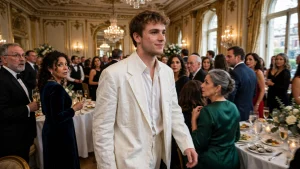
Russell Crowe as John Nash
Crowe’s performance holds up without qualification. He plays Nash first as a Princeton graduate student who is brilliant, awkward and hungry for an original idea, then as a man whose grip on what is real keeps slipping in ways the film reveals gradually. The performance never asks for pity. Crowe keeps Nash’s pride intact even in the scenes where pride is the problem, and that choice is what makes the later passages land. When Nash learns to live alongside his illness rather than wait for it to leave, the film earns its emotion honestly, out of behaviour the audience has watched for two hours.
Connelly’s work is the film’s second pillar. Alicia is written as the person who has to decide, repeatedly, what loyalty costs and whether she can keep paying it. Connelly plays those decisions plainly, without grand speeches, and the plainness is the point. Harris, as the intelligence figure Parcher, brings a calm authority that makes Nash’s world feel plausible from the inside. Bettany, as Nash’s roommate Charles, supplies the warmth the Princeton scenes need, and his scenes with Crowe have an ease that the rest of the film deliberately contrasts against.
Howard directs with unusual restraint for a big studio picture of its era. He lets the camera sit in rooms, trusts James Horner’s score to carry transitions and stages the mathematics as a visual pleasure rather than an obstacle, with numbers and patterns lighting up across windows and pages. Readers who enjoy seeing older work presented properly in theaters can compare this booking with the current season’s other prestige projects at Universal, a studio that has kept a steady line of anniversary engagements running alongside its new releases.
The production itself was shot largely in and around Princeton, and the university setting is more than decoration. Lecture halls, common rooms and winter courtyards give the film a settled, lived-in academic world that Nash’s unraveling quietly disrupts, scene by scene. Horner’s score, built around piano and strings with a boy soprano line, was one of the most recognised film scores of its year, and in a theater its quieter cues register in a way they simply cannot through a television speaker. That alone justifies the anniversary booking for anyone who knows the film well.
Seen now, the film also reads as a record of a real life that continued long after the credits. Nash returned to Princeton, shared the Nobel Prize in Economic Sciences in 1994 for his work on game theory and remained a campus presence for decades. The film compresses and reshapes parts of that story, as biographical pictures do, but its central claim has aged well: that a mind can be both extraordinary and unwell, and that the people around it matter as much as the treatment.
The anniversary engagement runs November 22 and 23, 2026, in participating theaters, listed as a one-day limited event on November 22 with screenings extending to the following day in some markets. Tickets are on sale through theater listings now. Audiences who have only seen the film at home should take the chance, and readers planning a full week of screen culture can round it out with the Roselle Gallery exhibition opening in Miami on December 12, another occasion built around work that rewards being in the room with it.
这篇报道还发表于 News Today World, Schaumburg Post, Revista Minutos, Le Miroir Francais 和 Mario-Max Magazine。































Be First to Comment