
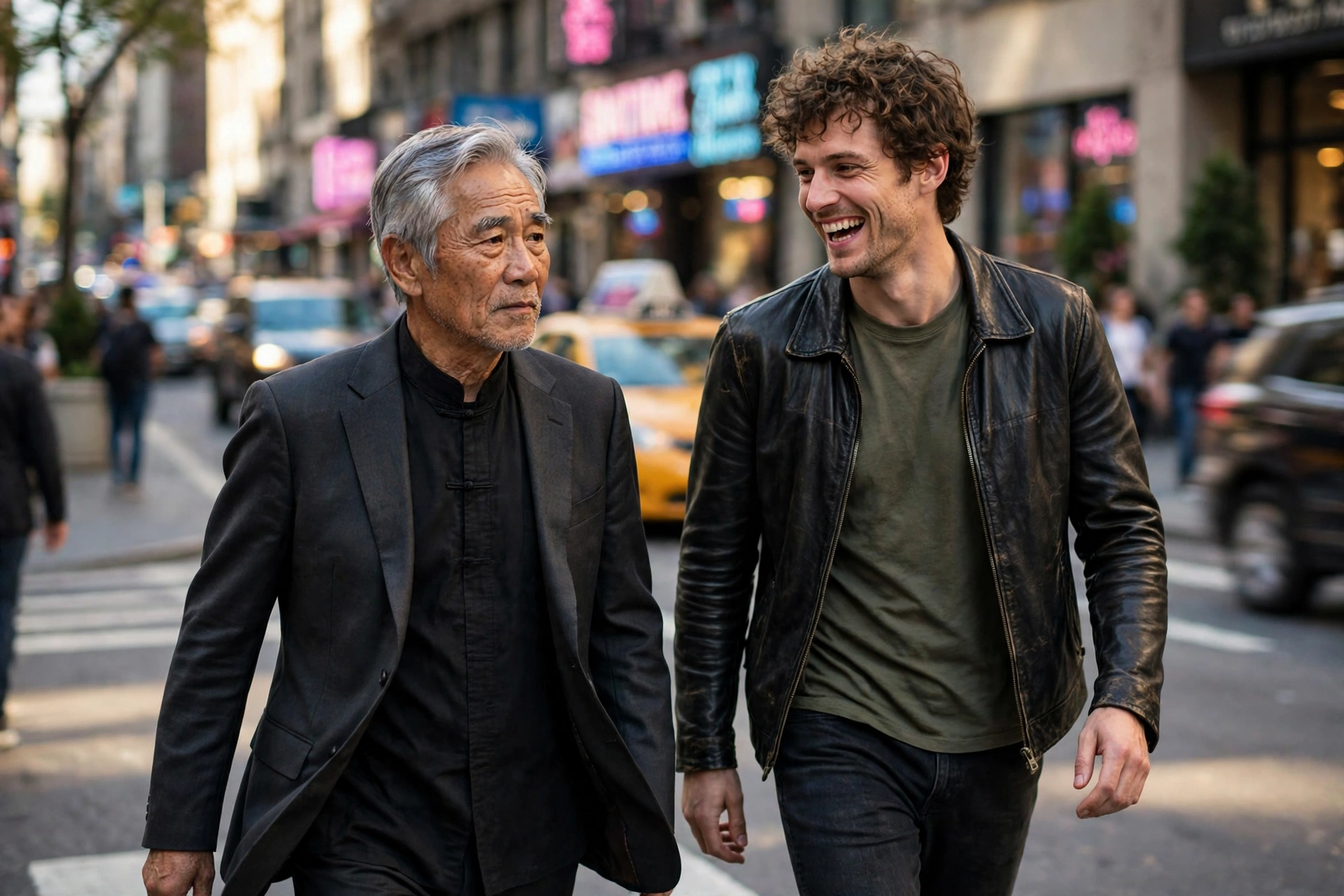
成龙已经签约,将在《尖峰时刻4》中再次饰演李警长。制片人亚瑟-萨尔基相本周证实了这一消息,而克里斯-塔克回归饰演詹姆斯-卡特侦探的协议也紧随其后。萨尔基相描述的方案非常具体:布雷特-拉特纳执导,预算约1.2亿美元,春季开拍,并力争在2028年上映。
派拉蒙影业将以据报道12%的费用负责发行这部电影,代表持有该系列版权的华纳兄弟处理发行事宜。这一安排解释了围绕这部续集长期存在的一些公开困惑,因为《尖峰时刻》系列于1998年在新线影业起步,此后发行环节几经变动。对观众来说,重要的事情更简单。第四部电影现在已经有了签约的主演、一位导演、一个预算数字和一个开拍窗口,这比该项目以往任何时候公开的进展都要更远。
72岁的成龙
成龙今年72岁,他的签约就是新闻本身,因为整个系列都建立在他的身体之上。第一部《尖峰时刻》于1998年9月上映,将他的香港督察与塔克饰演的大嗓门洛杉矶侦探搭档,全球票房约2.44亿美元。《尖峰时刻2》于2001年上映,《尖峰时刻3》于2007年上映,三部电影合计票房超过8亿美元。观众已经有近二十年时间怀念这对搭档,而成龙率先签约表明,制片方相信他的特技表演仍然能够在这个规模上支撑一部动作喜剧。
这样的长寿在任何体力职业中都很罕见。本月,摩纳哥的夏琳亲王妃也以体育的方式出现在公众活动中,夏琳亲王妃展示橄榄球球衣并支持佛罗里达赛事,显示体育人物的影响力可以延续到赛场之外。成龙自1970年代以来一直在做同样的事情:以一种理应不再属于他的水平,完成一份艰难的体力工作,观众正是为此而来。
布雷特-拉特纳与春季拍摄
拉特纳执导了此前的全部三部电影,他正在筹备的计划将制作带到国外,其方式是该系列此前从未尝试过的。拍摄地点定在中国和非洲,并计划在意大利和沙特阿拉伯进行额外拍摄。在1.2亿美元预算下进行四国拍摄,是所有参与者意图的表明,也让李和卡特有了一张真正全新的地图可以争吵,而不是重复洛杉矶或巴黎的旧路。
目前唯一缺失的环节是塔克的签字。他的代表尚未确认他的协议,围绕该项目的报道在这一点上措辞谨慎,将他的协议描述为接近达成而非已经完成。塔克自2007年以来工作很少,也有能力精挑细选,所以他的名字出现在演员表上,才是将这一签约方案变成正式绿灯的里程碑。在此之前,准确的描述是:一部续集的主演已经锁定,第二主演正在进行最后谈判。
该系列背后的编剧脉络值得一提,因为伙伴喜剧的成败取决于剧本。罗斯-拉曼纳创造了这对搭档并撰写了第一部电影,杰夫-内桑森撰写了第二和第三部,在李的纪律与卡特的即兴之间构建了一场持续的争论,演员们可以将这种争论带到几乎任何城市。第四部电影的编剧尚未公布,而这一公布将很大程度上说明制片方想要的基调,是倾向于原作的节奏,还是请一位新编剧为两位年纪更大的男主角重建这种交锋。
成龙在特技工作之外也保持着公开生活,数十年的慈善活动与他的名字相连,从在亚洲的救灾捐款到他长期开展的儿童基金会工作。这种为他人挺身而出的习惯,与本季其他公共人物的做法相呼应,例如卢森堡大公在宫中接见联合国儿童基金会青年大使所体现的长期公益参与。这也是观众在打斗场面之外支持他的部分原因。对于一家在十九年后重启一个系列的制片厂来说,一位人们信任的明星是宝贵的资产。
萨尔基相从一开始就担任该系列的制片人,他愿意公开给出具体数字,显示制片办公室预计很快就要开始招聘。如果春季开拍,《尖峰时刻4》将在2028年与观众见面,距第一部电影上映整整三十年。下一个已确认的步骤是塔克的协议达成,而制片方给自己留了一个季节的时间来完成它。
English
Jackie Chan Signs On for Rush Hour 4 at Paramount
Jackie Chan has signed his deal to return as Chief Inspector Lee in Rush Hour 4, producer Arthur Sarkissian confirmed this week, and Chris Tucker’s deal to return as Detective James Carter is close behind it. The package Sarkissian described is specific: Brett Ratner directing, a budget of about $120 million, a spring shoot, and a release aimed at sometime in 2028.
Paramount Pictures is on board to distribute the film for a reported 12 percent fee, handling it on behalf of Warner Bros., which holds the rights to the series. That arrangement explains some of the long public confusion around this sequel, because the Rush Hour films began at New Line Cinema in 1998 and the distribution pieces have moved since. What matters for audiences is simpler. The fourth film now has a signed star, a director, a budget figure and a start window, which is further than this project has ever publicly been.
Jackie Chan at 72
Chan is 72, and his signature is the news because the whole series rests on his body. The first Rush Hour, released in September 1998, paired his Hong Kong inspector with Tucker’s loud Los Angeles detective and grossed about $244 million worldwide. Rush Hour 2 followed in 2001 and Rush Hour 3 in 2007, and the three films together took in more than $800 million. Audiences have had nearly twenty years to miss the pairing, and Chan signing first tells you the production believes his stunt work can still anchor an action comedy at this scale.
Longevity of that kind is rare in any physical profession. College football just produced its own version of the story, where Colton Joseph ran for a Wisconsin quarterback record of 187 yards, and the appeal is the same in both cases. People show up to watch somebody do a hard physical job at a level that should not still be available to them. Chan has been doing exactly that since the 1970s.
Brett Ratner and the Spring Shoot
Ratner directed all three previous films, and the plan he is working to sends the production abroad in a way the series has not attempted before. Filming is set for locations in China and Africa, with additional work planned in Italy and Saudi Arabia. A four-country shoot on a $120 million budget is a statement of intent from everyone involved, and it gives Lee and Carter a genuinely new map to argue across instead of a retread of Los Angeles or Paris.
The one piece still missing is Tucker’s signature. His representatives have not confirmed his deal, and the reporting around the project is careful on that point, describing his agreement as close rather than done. Tucker has worked rarely since 2007 and can afford to be selective, so his name on the call sheet is the milestone that turns this from a signed package into a green light. Until then, the accurate description is a sequel with its lead actor locked and its second lead in final talks.
The writing lineage behind the series is worth noting, because buddy comedies live or die on the page. Ross LaManna created the pairing and wrote the first film, and Jeff Nathanson wrote the second and third installments, building a running argument between Lee’s discipline and Carter’s improvisation that the actors could carry into almost any city. No writer has been announced for the fourth film yet, and that announcement will say a lot about the tone the production wants, whether it leans on the original films’ rhythm or asks a new writer to rebuild the exchange for two older men.
Chan has also kept a public life outside the stunt work, with decades of charity activity attached to his name, from disaster relief donations in Asia to his long-running foundation work for children. That habit of showing up for other people is in the local news again this season through efforts like the holiday toy drive at Gallery Chang backing Mommy’s Heart, and it forms part of why audiences root for him beyond the fight scenes. A star people trust is a valuable thing for a studio reviving a series after nineteen years.
Sarkissian has produced this series from the start, and his willingness to lay out figures on the record suggests a production office that expects to be hiring soon. A spring start would put Rush Hour 4 in front of audiences in 2028, thirty years after the first film opened. The next confirmed step is Tucker’s deal closing, and the production has given itself a season to get there.
这篇报道还发表于 News Today World, Manhattan Mogul, Schaumburg Post, Revista Minutos 和 Le Miroir Francais。


























Be First to Comment