
作者:Mark Rafter 博士(Dr. Mark A. Rafter)
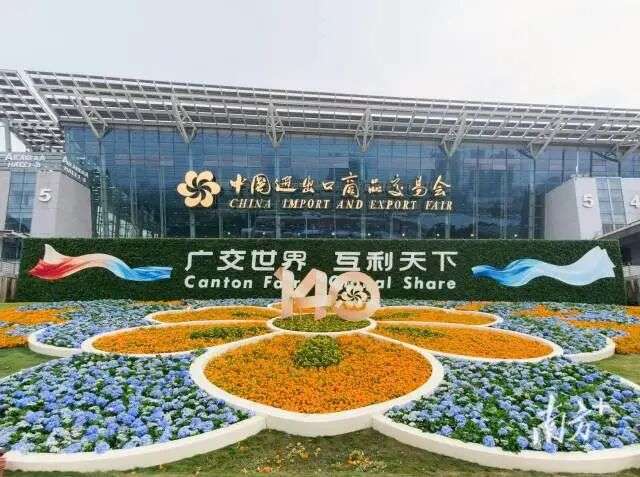
第140届中国进出口商品交易会正在庆祝国际商务、工业发展和全球商业关系走过的七十年历程。
中国广州,2026年10月15日,第140届中国进出口商品交易会在广州开幕。广交会在国际上广为人知,今年正值其创办70周年。
广交会1957年起步时规模不大,如今已成长为世界重要的国际贸易展会之一,反映出中国制造业经济的转型,以及中国与各大洲不断拓展的商业联系。
最初的展会展览面积约9600平方米,采购商约1200人。如今展会规模已扩大到约155万平方米,汇聚了制造商、企业家、国际经销商、投资者和商界领袖。
2026年秋季广交会于11月4日闭幕,据报道吸引了来自219个国家和地区的35.2万名境外采购商,创下纪录。这些亮眼数字背后是一个更大的故事,涉及经济转型、技术创新、国际外交,以及把中国企业与世界各地市场连接起来的各种关系。故事始于1957年4月25日,首届中国出口商品交易会在广州的中苏友好大厦开幕。
当时,新成立的中华人民共和国面临不小的经济困难,进入国际市场的渠道有限,还受到冷战政治分化带来的贸易限制。广交会提供了一条重要的商业渠道,中国制造商可以借此向境外采购商介绍产品,并在中国国境之外建立联系。周恩来总理是中国现代外交史上最具影响力的人物之一,他认识到建立国际沟通、商务与合作渠道的重要性。创办第一年,春季和秋季两届展会共实现交易额约8686万美元,为当时中国的创汇作出了重要贡献。展出的产品反映了一个仍处于现代化早期阶段的经济体的工业能力。农产品、纺织品、手工艺品和其他制成品,让国际采购商得以了解中国正在兴起的商业潜力。
首届广交会于1957年4月在广州开幕,创立了一个国际贸易平台。这个平台此后与中国经济的发展同步演进。
广交会的历史与中国国际关系的大转型分不开。周恩来总理的外交领导作用,对中美关系的历史性开启至关重要,这一进程在1972年2月美国总统理查德·尼克松访华时达到高点。尽管晚年面临严重的个人健康问题,周恩来仍在一个国际格局深刻变化的时期继续为国家服务。他的贡献帮助奠定了外交基础,后代在此基础上建立了更强的经济和商业关系。在那次历史性开启之后,邓小平自1978年起推行的经济改革加速了中国向国际商务重要参与者的转型。
这些发展共同创造了条件,使广交会从一个规模相对有限的出口展会,演变为一个重要的国际市场。随着中国工业能力扩大,面向国际采购商的产品种类和精细程度也随之提升。机械、电气设备、电子产品以及日益先进的制成品,加入了早年广交会以传统商品为主的行列。对包括美国企业在内的国际企业来说,这个展会成为寻找供应商、洽谈合同、探索新兴技术以及与制造商建立联系的场所。它也成为一个会面之地,来自不同国家、文化和商业传统的人们可以通过面对面的交流发现机会。在一个日益由数字通信主导的时代,握手、交谈以及亲手查看产品的机会,仍然具有相当大的价值。
随着国际贸易扩大,支撑贸易的金融和物流体系也随之发展。银行服务、外汇交易、国际支付、航运网络和商业融资,在连接中国制造商与海外市场方面变得日益重要。今天,这些服务仍是国际商务不可缺少的组成部分,帮助企业应对产品、资本和理念跨境流动的复杂过程。第140届广交会展示了国际制造业已经发生的巨大变化。
超过31万人参加了2026年秋季展会,展品从传统消费品到与人工智能、先进制造、可再生能源和智能交通相关的精尖技术一应俱全。人形机器人、工业自动化、智能出行系统、新材料和储能技术,反映出创新在中国制造业中日益重要的地位。相关进展可参阅波士顿动力Atlas人形机器人将进入格芯芯片工厂测试,以及Momenta与优步在慕尼黑启动自动驾驶乘车试点的报道。可再生能源领域的增长同样引人注目,例如印度太阳能装机达175吉瓦。
本届展会还融入了数字技术,旨在改善参展导航、产品发现,以及参展商与国际采购商之间的商务对接。
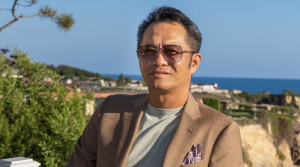
2026年广交会汇聚了国际采购商和数以千计的参展商,展示传统产品、先进制造和新兴技术。在体现中国工程雄心不断增长的发展中,中国摩托车制造商ZXMOTO创始人、摩托车企业家张雪的工作是一个例子。2026年10月,张雪驾驶一辆经过特殊改装的摩托车在湖南省的水面上行驶40.74公里,成功创造一项吉尼斯世界纪录,由此引起国际关注。这项于10月25日完成的成就,展现了工程实验、技术能力和个人决心的不同寻常的结合。尽管这项创纪录挑战本身与广交会无关,张雪的工作仍体现了与中国先进制造业日益相关的创业实验精神。
中国摩托车企业家张雪在2026年10月驾驶改装摩托车在水面上行驶40.74公里,创造了一项吉尼斯世界纪录。广交会的意义不止于展馆里陈列的产品。
国际贸易需要金融服务、可靠的运输、物流网络、知识产权保护、合同谈判,以及在不同法律和商业体系下运作的机构之间的合作。今天,参加广交会的企业身处一个日益复杂的全球市场,供应链可靠性、产品质量、技术竞争力和监管要求都会影响采购决定。贸易关系也面临挑战。关税、地缘政治分歧、市场准入限制,以及对知识产权和产业竞争的关切,仍是从事国际经营的企业需要考虑的重要因素。然而,这些现实并不会降低直接商业沟通的重要性。对许多参展商和采购商来说,广交会提供了一个建立联系的机会,这些联系在展馆关闭之后仍会延续。交换名片之后,可能会有工厂参观、谈判、发货、分销协议和跨越国界的合作伙伴关系。国际商务的大故事,正是通过这些具体的交易和关系展开的。
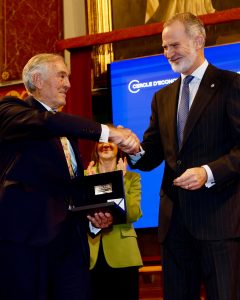
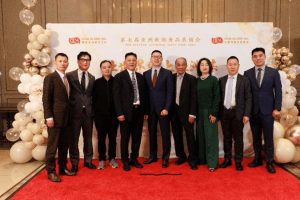
70周年庆祝活动还吸引了科学、教育和国际组织的代表,他们关注技术发展、知识产权与全球合作之间的关系。这类交流凸显了国际贸易的一个重要方面:创新日益不仅取决于制造能力,还取决于研究、教育、知识产权保护,以及把新想法转化为商业应用的能力。庆祝活动嘉宾包括刘凤振,以及世界知识产权组织总干事邓鸿森(Daren Tang)。
广交会迈入新篇章之际,它的历史提供了一个机会,让人们回顾中国与国际经济关系发生的非凡变化。从1957年有限的商业往来,到今天高度互联的全球供应链,这个展会见证了制造业、技术、外交和国际商务的深刻变化。
对“现代马可波罗”来说,这段历史有着特别的个人意义。在我前往中国的旅程中,以及多年的文化和国际交流中,我有幸结识了许多杰出人士,他们的经历与中国现代历史的重要篇章直接相关。其中包括与中国经济改革有关的人士、周恩来家族的成员,以及与尼克松总统开启中美关系这一历史进程有关的人士。通过这些交谈,我更加体会到,我们在书中读到的历史事件背后,有着个人关系、决定和经历。作为一个长期欣赏中国历史和文化、重视在各国人民之间架设桥梁的人,我眼中的广交会不只是一个商业展会。它提醒人们,国际关系不只由政府和企业建立,也由愿意跨越国界、交流想法、理解不同文化并发现合作机会的个人建立。
我的祖父安东尼奥·卡托内(Antonio Catone)曾送给我一张藏宝图,启发了我自己的马可波罗式探险和中国之旅。多年来我发现,最大的宝藏并不总是黄金、宝石或贵重商品。有时,它们是我们结下的友谊、获得的知识、打开的大门,以及一路上架起的桥梁。70年来,广交会为在国际市场上寻找机会的人们提供了一个会面之地。这或许正是这个周年纪念最重要的一课:商业可以把人们聚到一起,但让关系长久延续的,是理解、合作和友谊。
作为“现代马可波罗”,我懂得每一次旅程都始于探索的意愿,每一段新关系都可能揭示另一件等待发现的宝藏。对参加广交会的人来说,无论是采购商、参展商还是参观者,展位之外都可能有宝藏在等待。毕竟,最大的宝藏也许不是你带回家的东西,而是你在途中发现的友谊和机会。这正是现代马可波罗藏宝图上的又一次探险。
English
By Dr. Mark A. Rafter
The 140th China Import and Export Fair celebrates seven decades of international commerce, industrial development and global business relationships.
GUANGZHOU, China On October 15, 2026, the 140th China Import and Export Fair, internationally recognized as the Canton Fair, opened in Guangzhou as part of the celebration of its 70th anniversary year.
From its modest beginnings in 1957, the Canton Fair has grown into one of the world’s major international trade exhibitions, reflecting the transformation of China’s manufacturing economy and its expanding commercial relationships across continents.
What began with approximately 9,600 square meters of exhibition space and 1,200 buyers has expanded into an event occupying approximately 1.55 million square meters, bringing together manufacturers, entrepreneurs, international distributors, investors and business leaders.
The 2026 autumn session, which concluded November 4, attracted a reported record 352,000 overseas buyers from 219 countries and regions. Behind these impressive numbers is a much larger story. It is one of economic transformation, technological innovation, international diplomacy and the relationships that have connected Chinese businesses with markets around the world. The story began on April 25, 1957, when the first China Export Commodities Fair opened at the China Soviet Friendship Building in Guangzhou.
At the time, the newly established People’s Republic of China faced considerable economic challenges, limited access to international markets, and trade restrictions associated with Cold War political divisions. The fair provided an important commercial channel through which Chinese manufacturers could introduce their products to overseas buyers and establish relationships beyond China’s borders. Premier Zhou Enlai, one of the most influential figures in modern Chinese diplomatic history, recognized the importance of establishing international channels of communication, commerce and cooperation. During its first year, the spring and autumn exhibitions generated approximately $86.86 million in transactions, a substantial contribution to China’s foreign exchange earnings at the time. The products on display reflected the industrial capabilities of an economy still in the early stages of modernization. Agricultural commodities, textiles, handicrafts and other manufactured goods provided international buyers with a window into China’s emerging commercial potential.
The first Canton Fair opened in Guangzhou in April 1957, establishing an international trading platform that would evolve alongside China’s economic development. The fair’s history cannot be separated from the broader transformation of China’s international relationships. Premier Zhou Enlai’s diplomatic leadership was instrumental in the historic opening of relations between China and the United States, culminating in President Richard Nixon’s visit to China in February 1972. Despite serious personal health challenges during his later years, Zhou continued serving his country through a period of profound international change. His contributions helped establish a diplomatic foundation upon which future generations would build stronger economic and commercial relationships. That historic opening was followed by the economic reforms introduced under Deng Xiaoping beginning in 1978, which accelerated China’s transformation into a major participant in international commerce.
Together, these developments helped create the conditions under which the Canton Fair would evolve from a relatively modest export exhibition into a major international marketplace. As China’s industrial capabilities expanded, so did the variety and sophistication of products available to international buyers. Machinery, electrical equipment, electronics and increasingly advanced manufactured goods joined the traditional commodities that had characterized the fair’s earlier decades. For international businesses, including American companies, the exhibition became a place to identify suppliers, negotiate contracts, explore emerging technologies and develop relationships with manufacturers. It also became a meeting place where individuals from different countries, cultures and commercial traditions could discover opportunities through personal interaction. In an era increasingly dominated by digital communication, there remains considerable value in a handshake, a conversation and the opportunity to examine a product firsthand.
As international trade expanded, so did the financial and logistical systems necessary to support it. Banking services, foreign exchange transactions, international payments, shipping networks and commercial financing became increasingly important in connecting Chinese manufacturers with overseas markets. Today, these services remain essential components of international commerce, helping businesses navigate the complex process of moving products, capital and ideas across borders. The 140th Canton Fair demonstrated how dramatically international manufacturing has changed.
More than 310,000 participated in the 2026 autumn exhibition, showcasing products ranging from traditional consumer goods to sophisticated technologies associated with artificial intelligence, advanced manufacturing, renewable energy and intelligent transportation. Humanoid robots, industrial automation, smart mobility systems, new materials and energy storage technologies reflected the increasing importance of innovation within China’s manufacturing sector.
The exhibition also incorporated digital technologies designed to improve navigation, product discovery and business connections between exhibitors and international buyers.
The 2026 Canton Fair brought together international buyers and thousands of exhibitors showcasing traditional products, advanced manufacturing and emerging technologies. Among the developments illustrating China’s growing engineering ambitions is the work of motorcycle entrepreneur Zhang Xue, founder of Chinese motorcycle manufacturer ZXMOTO. In October 2026, Zhang attracted international attention when he successfully rode a specially modified motorcycle 40.74 kilometers across open water in Hunan Province, establishing a Guinness World Records title. The achievement, completed on October 25, demonstrated an unusual combination of engineering experimentation, technical skill and personal determination. Although the record-setting challenge was separate from the Canton Fair itself, Zhang’s work illustrates the entrepreneurial experimentation increasingly associated with China’s advanced manufacturing industries.
Chinese motorcycle entrepreneur Zhang Xue established a Guinness World Records title in October 2026 after traveling 40.74 kilometers across open water on a modified motorcycle. The fair’s significance extends beyond the products displayed in its exhibition halls.
International trade requires financial services, reliable transportation, logistics networks, intellectual property protections, contract negotiations and cooperation among institutions operating under different legal and commercial systems. Today, businesses participating in the Canton Fair operate within an increasingly complex global marketplace, where supply chain reliability, product quality, technological competitiveness and regulatory requirements influence purchasing decisions. Trade relationships also face challenges. Tariffs, geopolitical disagreements, market access restrictions and concerns about intellectual property and industrial competition remain important considerations for businesses operating internationally. Yet these realities make direct commercial communication no less important. For many exhibitors and buyers, the Canton Fair represents an opportunity to establish relationships that continue long after the exhibition halls close. The exchange of business cards may be followed by factory visits, negotiations, shipments, distribution agreements and partnerships that extend across international borders. It is through these individual transactions and relationships that the larger story of international commerce unfolds.
The 70th anniversary celebration also attracted representatives from scientific, educational and international organizations interested in the relationship between technological development, intellectual property and global cooperation. Such exchanges underscore an important dimension of international trade: innovation increasingly depends not only on manufacturing capabilities but also on research, education, the protection of intellectual property and the ability to bring new ideas into commercial use.
As the Canton Fair enters its next chapter, its history offers an opportunity to reflect on the extraordinary changes that have occurred in China’s relationship with the international economy. From the limited commercial exchanges of 1957 to today’s highly interconnected global supply chains, the exhibition has witnessed profound changes in manufacturing, technology, diplomacy and international business.
For the Modern Day Marco Polo, this history carries a particularly personal meaning. During my journeys to China and through years of cultural and international exchanges, I have had the privilege of meeting remarkable individuals whose experiences connect directly to important chapters of modern Chinese history. Among them have been individuals associated with China’s economic reforms, members of the Zhou Enlai family, and people connected with President Nixon’s historic opening of relations between the United States and China. Through these conversations, I have gained a greater appreciation for the personal relationships, decisions and experiences that exist behind the historical events we read about in books. As someone who has long appreciated Chinese history, culture and the importance of building bridges between peoples, I see the Canton Fair as more than a commercial exhibition. It is a reminder that international relationships are not built by governments and corporations alone. They are also built by individuals willing to cross borders, exchange ideas, understand different cultures and discover opportunities for cooperation.
My grandfather Antonio Catone once gave me a treasure map that inspired my own Marco Polo adventures and journeys to China. Over the years, I have discovered that the greatest treasures are not always gold, precious stones or valuable merchandise. Sometimes they are the friendships we make, the knowledge we acquire, the doors we open and the bridges we build along the way. For 70 years, the Canton Fair has provided a meeting place for people searching for opportunities across the international marketplace. And perhaps that is the greatest lesson of this anniversary: commerce may bring people together, but understanding, cooperation and friendship are what allow relationships to endure.
As the Modern Day Marco Polo, I have learned that every journey begins with a willingness to explore, and every new relationship may reveal another treasure waiting to be discovered. For those who attend the Canton Fair, whether as buyers, exhibitors or visitors, there may be treasures waiting far beyond the exhibition booths. After all, the greatest treasure may not be what you bring home, but the friendships and opportunities you discover along the way. And that’s another adventure on the Modern Day Marco Polo treasure map!
原文发表于 News Today World,作者为 Mark Rafter 博士。


























Be First to Comment