
作者:Mark Rafter 博士(Dr. Mark A. Rafter)
世界杯的热潮远远超出了体育场的范围。球迷们聚集在洛杉矶、旧金山、西雅图、达拉斯、亚特兰大、纽约,以及加拿大的温哥华和多伦多、墨西哥的瓜达拉哈拉、墨西哥城和韦拉克鲁斯的餐馆、酒吧和公共场所。在尔湾大公园,美国国家队正在那里训练,球迷们也举行了观赛派对,关注着这项世界最大的体育赛事之一。尽管天气炎热、雨水不断、旅途漫长,球迷和游客仍然停下脚步拍照,身穿国家队球衣,参与比赛场馆和球迷活动场所周围的热闹氛围。来自各国的世界杯游客带来了巨额收入,估计超过5亿美元。今年恰逢美国建国250周年庆典,许多游客在展示各国国旗的同时,也在接触美国文化并分享自己的文化。“几乎每家餐馆的电视上都在放比赛,”一位球迷说。“无论走到哪里,都能看到有人穿着足球球衣。”
世界杯长期以来是全球广告和企业合作的最大平台之一。其分量是巨大的。国际足联预计将从2026年世界杯获得25亿至30亿美元的赞助收入,使其成为有史以来商业价值最高的体育赛事之一,也是企业争夺全球曝光的理想平台。据国际足联估计,全球足球大家庭的人数在35亿到50亿之间。作为足球大家庭的一员,我曾以球员、工作人员、营销推广总监、职业足球队总经理、教练、青少年足球开发者等多种身份参与这项运动,还创办、组织并主持了首届耐克免费足球诊所,几乎在每一个层面都参与过这项运动。我还参与了一个为赞助商开展球迷离场调研的团队。调研结果显示,94%的球迷会支持支持足球的赞助商。正因如此,阿迪达斯、可口可乐、现代起亚、Visa、卡塔尔航空、沙特阿美和联想等世界顶级公司和品牌,对国际足联世界杯投入了巨额资金。
国际足联的赞助通常分为三个层级。第一层级投入最大,全球品牌在每个四年周期内的投入估计为1.5亿至2亿美元以上。第二层级赞助商包括百威英博、美国银行、乐事、海信、麦当劳、蒙牛乳业、联合利华和威瑞森,投入通常估计在8000万至1亿美元之间。第三层级品牌和区域支持商,如爱彼迎、美国航空、DoorDash、万豪旅享家和家得宝,在特定市场开展活动,交易金额通常估计为3500万至5000万美元。
中国在全球并不以男子足球闻名,也没有获得2026年男子世界杯的参赛资格。然而,中国女子足球长期以来受到国际尊重,中国公司和品牌在近几届世界杯上的视觉和商业存在不断增强。尽管中国男子国家队没有参加今年的赛事,中国企业却是世界杯商业和技术生态系统的重要组成部分。在许多方面,这种商业存在对全球的影响,可能比中国男子足球队本身的曝光还要大。今年,中国企业以不同方式出现在赛事平台上,从赞助和品牌曝光,到支撑赛事运营和观赛的技术系统。
中国品牌在2026年国际足联世界杯上保持着显著的存在。虽然直接的国际足联合作伙伴比近几届赛事略少,但联想、海信和蒙牛乳业等大企业担任官方全球赞助商或合作伙伴,其他中国品牌则通过区域营销、周边商品、球迷互动和国际商务活动获得曝光。
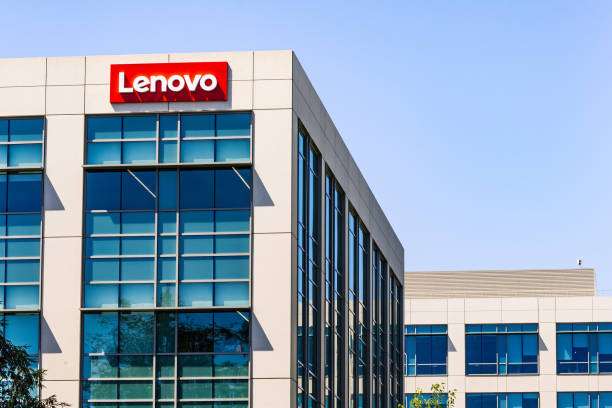
在一处与赛事相连的庞大转播和技术运营中心里,联想提供的设备和系统正在帮助国际足联管理和分发来自美国、加拿大和墨西哥各体育场的内容。这是这届史上最大规模世界杯的技术支柱的一部分。联想是官方赞助商,也是国际足联的官方技术合作伙伴。国际足联表示,联想提供的技术支持包括人工智能设备、硬件、基础设施、软件、解决方案和服务,涵盖赛事运营、转播和面向球迷的服务。在一届拥有48支球队、16座主办城市和数百万游客的赛事中,技术在幕后的重要性已经不亚于赛场上的比赛。
海信
海信曾在2018年和2022年世界杯以及2025年国际足联世俱杯期间与国际足联合作。海信与国际足联的合作始于2017年,现已延续为2026年世界杯的官方赞助商。对海信来说,这届赛事在一个与体育直播观看紧密相连的场景中提供了曝光,而这正是该公司核心业务的一部分。国际足联表示,双方的合作聚焦于电视显示技术和旨在改善体育场内和家庭球迷体验的创新。海信还出现在许多比赛球场边的电子广告牌上。国际足联主席詹尼·因凡蒂诺称海信为全球市场领导者,并赞扬了该公司与世界足球的长期合作。
蒙牛
蒙牛在2018年世界杯之前与国际足联建立了重大合作关系。中国蒙牛乳业有限公司是中国第二大乳制品制造商,是恒生指数蓝筹股中的知名企业,也是世界顶级乳制品公司之一。蒙牛被视为国家冠军品牌,其最大战略股东是中粮集团。中粮集团是中国最大的国有食品加工和贸易集团。蒙牛成立于1999年,总部位于内蒙古呼和浩特,已经从一家区域牛奶供应商发展成为在中国和亚洲拥有强大影响力的大型跨国公司。其产品组合包括液态奶、酸奶、益生菌饮料和高端乳制品,包括特仑苏、纯甄和优益C。蒙牛已将官方赛事赞助协议延长至2030年世界杯,成为国际足联与这项赛事相关的历史最悠久的企业合作关系之一。
除了官方赞助,中国的制造实力也通过世界杯周边商品高度可见。浙江省义乌市以“世界批发市场”闻名,供应了全球赛事周边商品的很大一部分,包括球衣、国旗、哨子、喇叭、毛绒吉祥物、围巾和球迷配饰。义乌拥有高度本地化的供应链。制造周边商品所需的组件,无论是球衣的面料、国旗印刷的油墨,还是助威道具的塑料,往往都能在附近的工厂就近采购。这有助于减少延误,并在赛事需求快速变化时实现迅速周转。义乌还将人工智能融入了部分设计和打样流程。人工智能系统可以帮助更快地生成设计方案和数字样品,缩短生产履约时间,帮助商家快速响应球迷、球队和获胜国家不断变化的需求。
作为“当代马可·波罗”,我曾以许多身份参与这项运动,也曾在中国旅行,参观与全球品牌相关的制造业和商业世界。我可以满怀感激地说,赞助不仅重要,而且对世界杯这样的赛事至关重要。这些中国赞助商和制造商不只是在广告牌上放一个名字。他们在帮助创造赛事体验,支持技术,提供产品,触达球迷,并在世界最大的舞台之一上争夺全球关注。
世界杯提醒我们,足球不仅仅是一场比赛。它是国家、文化、企业和人民的相聚之地。当球队在赛场上竞争时,更大的故事也关乎连接、创新和友谊。从体育场的灯光到转播屏幕,从球迷球衣到全球品牌,世界杯的每一个部分都在帮助跨越国界架起桥梁。对我来说,这才是真正的胜利。世界杯表明,当各国通过体育、商业和文化交流走到一起时,我们会发现,最伟大的进球并不总是在赛场上打进的。有时,最伟大的进球是友谊,而这正是“当代马可·波罗”旅途中找到的真正珍宝。
English
By Dr. Mark A. Rafter
World Cup fever is spreading far beyond the stadiums as fans gather in restaurants, bars and public spaces across Los Angeles, San Francisco, Seattle, Dallas, Atlanta, New York, and in Canada, Vancouver and Toronto, and in Mexico, Guadalajara, Mexico City and Veracruz. Watch parties are also being held at The Great Park of Irvine, where the U.S. National Team is training, as fans follow one of the world’s largest sporting events.
Despite hot weather, rain and long travel schedules, fans and visitors continue to stop for photos, wear their national team jerseys, and take part in the excitement surrounding match venues and fan-oriented sites. World Cup visitors from various countries have generated huge revenues, estimated to be more than $500 million USD. It is also a unique time during the United States 250-year celebration, as many visitors are being exposed to U.S. culture while also sharing their own cultures, with flags from every nation in the competition being proudly displayed. “The matches are on nearly every TV in restaurants,” one fan said. “Everywhere you go, someone’s wearing a soccer jersey.”
The World Cup has long been one of the largest platforms for global advertising and corporate partnerships. The stakes are enormous. FIFA is expected to generate between $2.5 billion and $3 billion USD in sponsorship revenue from the 2026 World Cup, making it one of the most commercially valuable sporting events ever staged and a coveted platform for companies seeking global visibility. According to FIFA, the soccer, futbol, or football extended family is estimated at over 3.5 billion to 5 billion worldwide. Having been part of the soccer family as a player, staff member, marketing and promotions director, general manager of professional soccer teams, coach, youth soccer developer, and creator, organizer and conductor of the first Nike Free Soccer Clinics, I have participated at nearly every level of the sport. I was also part of a group that conducted fan exit studies for sponsors. The study results stated that 94% of fans would support sponsors who support soccer. It is for this reason that some of the world’s top companies and brands, including Adidas, Coca-Cola, Hyundai-Kia, Visa, Qatar Airways, Aramco and Lenovo, have made major investments in the FIFA World Cup.
FIFA sponsorships are usually set into three categories or tiers. Tier One includes the largest investments and features global brands investing an estimated $150 million to over $200 million per four-year cycle. Tier Two sponsors include AB InBev, Bank of America, Frito-Lay, Hisense, McDonald’s, Mengniu Dairy, Unilever and Verizon, with investments often estimated in the $80 million to $100 million range. Tier Three brands and regional supporters, such as Airbnb, American Airlines, DoorDash, Marriott Bonvoy and The Home Depot, activate in specific markets with deals often estimated from $35 million to $50 million.
China is not known globally for its men’s soccer program and did not qualify for the 2026 Men’s World Cup. However, China’s women’s soccer program has long been respected internationally, and Chinese companies and brands have had a growing visual and commercial presence in recent World Cups.
Although China’s men’s national team is not competing in this year’s tournament, Chinese companies are a major part of the World Cup’s commercial and technology ecosystem. In many ways, this business presence may have a larger global impact than the visibility of China’s men’s soccer team itself. This year, Chinese companies are appearing across the tournament platform in different ways, from sponsorship and brand visibility to technology systems supporting how the tournament is run and watched.
Chinese brands maintain a significant presence at the 2026 FIFA World Cup. While there are fewer direct FIFA Partners than in some recent tournaments, major corporations such as Lenovo, Hisense and Mengniu Dairy serve as official global sponsors or partners, while other Chinese brands are gaining visibility through regional marketing, merchandise, fan engagement and international business activation. Inside a sprawling broadcast and technology operation connected to the tournament, devices and systems supplied by Lenovo are helping FIFA manage and distribute content from stadiums across the United States, Canada and Mexico. This forms part of the technological backbone of the largest World Cup ever staged. Lenovo is an official sponsor and serves as FIFA’s Official Technology Partner. FIFA says the company is providing technology support that includes AI-enabled devices, hardware, infrastructure, software, solutions and services for tournament operations, broadcasting and fan-facing services. In a tournament featuring 48 teams, 16 host cities and millions of visitors, technology has become as important behind the scenes as the action on the field.
Hisense has previously worked with FIFA during the 2018 and 2022 World Cups, as well as the 2025 FIFA Club World Cup. Extending a partnership with FIFA that began in 2017, Hisense is an official sponsor of the 2026 FIFA World Cup. For Hisense, the tournament offers visibility in a setting closely tied to live sports viewing, which is part of the company’s core business. FIFA says the partnership focuses on television display technology and innovations designed to improve the fan experience both inside stadiums and at home. Hisense is also featured on electronic billboards along the fields, or the pitch in soccer vernacular, at many matches. FIFA President Gianni Infantino has described Hisense as a global market leader and praised the company’s long-term work with world soccer, or futbol.
Mengniu entered a major partnership with FIFA ahead of the 2018 World Cup. China Mengniu Dairy Company Limited is China’s second-largest dairy manufacturer, a prominent Hang Seng Index blue-chip company, and one of the top dairy companies in the world. Mengniu is considered a national champion brand, and its largest strategic shareholder is COFCO Group, China’s largest state-owned food processing and trading conglomerate. Founded in 1999 and headquartered in Hohhot, Inner Mongolia, Mengniu has evolved from a regional milk supplier into a major multinational corporation with a strong presence in China and Asia.
Its portfolio includes liquid milk, yogurt, probiotic drinks and premium dairy products, including Milk Deluxe, Just Yoghurt and Yoyi C. Mengniu extended its official tournament sponsorship agreement through the 2030 FIFA World Cup, making it one of FIFA’s longest-running corporate relationships connected to the tournament.
Beyond official sponsorships, China’s manufacturing power is also highly visible through World Cup merchandise. Yiwu, a city in Zhejiang Province famous as the “world’s wholesale market,” supplies a major share of global tournament merchandise, including jerseys, national flags, whistles, horns, plush mascots, scarves and fan accessories.
Yiwu operates a highly localized supply chain. Components needed to build merchandise, whether fabric for team jerseys, ink for printing flags, or plastic for cheering props, can often be sourced from nearby factories within a short distance. This helps reduce delays and allows rapid turnaround during fast-moving tournament demand.
Yiwu has also integrated artificial intelligence into parts of its design and sampling process. AI systems can help generate design proposals and digital samples faster, shortening production fulfillment times and helping merchants respond quickly to the changing needs of fans, teams and winning nations.
As the Modern-Day Marco Polo, having participated at many levels of the sport and having traveled in China while visiting some of the manufacturing and business worlds connected to global brands, I can say with great appreciation that sponsorship is not only important, but essential to events like the World Cup.
These Chinese sponsors and manufacturers are not simply placing names on signs. They are helping create the tournament experience, supporting technology, providing products, reaching fans, and competing for global attention on one of the greatest stages in the world.
The World Cup reminds us that soccer is more than a game. It is a meeting place of nations, cultures, businesses and people. While teams compete on the field, the larger story is also about connection, innovation and friendship. From the stadium lights to the broadcast screens, from fan jerseys to global brands, every part of the World Cup helps build bridges across borders.
For me, that is the real victory. The World Cup shows that when nations come together through sport, business and cultural exchange, we discover that the greatest goal is not always scored on the field. Sometimes the greatest goal is friendship, and that is the true treasure found along the Modern-Day Marco Polo journey.
本文英文版最初发表于 News Today World,作者 Mark Rafter 博士。























Be First to Comment