
美国国家航空航天局于2026年11月18日宣布,12粒微小的太空尘埃带有古代水的化学痕迹,这些水来自海王星之外的柯伊伯带。尘埃颗粒在地球高空被捕获,由位于休斯敦的美国国家航空航天局约翰逊航天中心与加州大学洛杉矶分校的同事共同研究。这12粒尘埃很小,讲述的故事却很大。
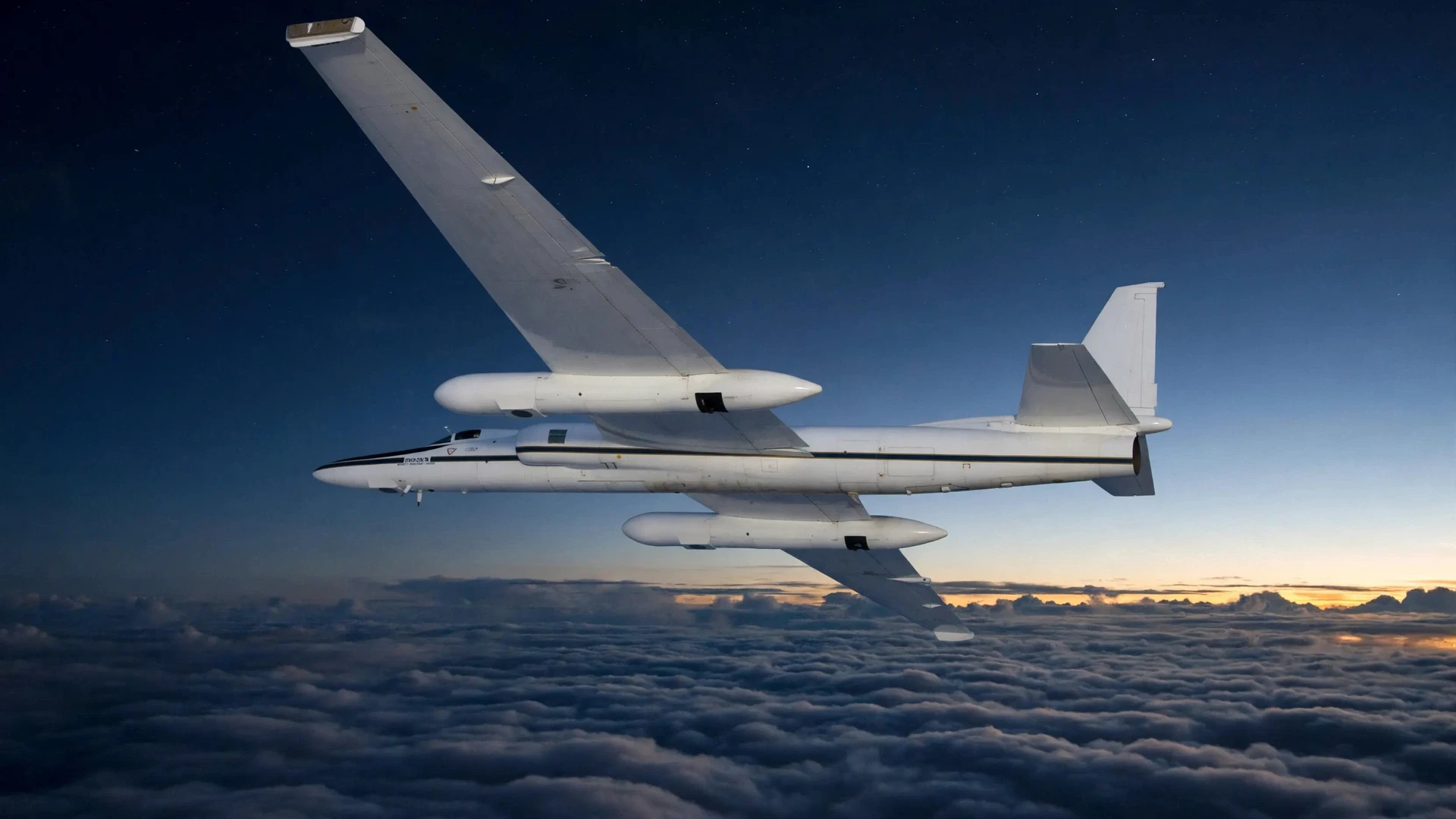
每粒尘埃宽10到30微米,比一根头发丝细得多。美国国家航空航天局的高空ER-2飞机从平流层收集了它们,这是该机构宇宙尘埃计划的一部分,该计划自1981年以来一直在收集这类颗粒。研究团队随后检查了它们的矿物和氧同位素,也就是同一元素的不同形态,寻找水与岩石曾经接触的迹象。
研究结果发表于11月12日的《科学进展》杂志,论文由约翰逊航天中心的行星科学家琳赛·凯勒领衔,合作者包括美国国家航空航天局的克里斯托弗·斯内德以及加州大学洛杉矶分校的刘明昌和凯文·麦基根。美国国家航空航天局于11月18日向公众分享了这些发现。论文认为,海王星之外的区域曾经拥有一个巨大的水库,其中的水与构成内行星的物质大体上保持分离。
有两条线索指向这一遥远的起源。首先,这些尘埃颗粒携带的辐射轨迹比来自小行星带的尘埃多约100倍,这符合物质在远离太阳的地方停留了很长时间的情况。其次,它们含有皂石和蛇纹石,这两种黏土只有在液态水与岩石发生反应时才会形成,而且它们的氧带有不寻常的特征:氧-17过剩平均为正千分之62,而富含碳的陨石中的水为正千分之3到正千分之7。
这一差距之所以重要,是因为氧同位素像指纹一样,可以标明水形成的位置。来自内太阳系的水带有一个指纹,来自外太阳系的水带有另一个指纹。这些尘埃颗粒带有外太阳系的指纹,说明它们的母体所含的水从未与内行星混合。水本身早已消失,研究团队是从水在母体内流动时形成的矿物推断出它的存在,当时母体内部因放射性衰变或撞击能量而受热。
这一结果也与凯勒和纽约州立大学的乔治·弗林在2022年发表的一项早期估计相符,该估计认为漂入内太阳系的尘埃中多达25%可能来自柯伊伯带。新论文通过两条独立的证据线索把12粒具体的尘埃与外太阳系联系起来,为这一估计提供了新的支持:辐射轨迹和氧指纹。
作者坦率地说明了研究的局限。12粒尘埃样本很小,确切的母体未知,水的数值是估计值而非直接测量。只有在源头采集物质才能直接验证这一想法,而目前还没有任何任务近距离采样过柯伊伯带天体。这一发现是从尘埃中推断出的证据,而不是对完整水库的直接观测。
即便有这些局限,这篇论文也让一个长期存在的问题变得更加清晰:地球上的水来自哪里。如果外太阳系拥有一个带有自己指纹的独立水库,那么到达年轻地球的水可能来自比科学家曾经认为的更窄的一组来源。柯伊伯带距离太阳比地球远30到55倍,其中的冰体是约45亿年前太阳系形成时留下的残余。
柯伊伯带拥有冥王星、阋神星和鸟神星等矮行星,以及无数更小的冰体和掠过太阳的短周期彗星。当这些天体相撞时,它们会抛洒尘埃,阳光慢慢把其中一些尘埃拖向地球内侧,高空飞机可以在那里捕获它们。到达平流层的大多数尘埃来自小行星带和木星族彗星,这正是柯伊伯带所占份额一直难以确定的原因。凯勒和同事把辐射疤痕与氧指纹结合起来加以区分,12粒尘埃同时通过了这两项检验。本站2025国际科学与创新大赛落幕,青年创新闪耀全球合作,而挪威国王哈康走进莱纳车间与耶维克大学校园,也说明科学发现离不开年轻一代与大学课堂的接力。
美国国家航空航天局和加州大学洛杉矶分校计划通过宇宙尘埃计划继续收集和分析尘埃,每一批新的尘埃颗粒都可以检验重氧指纹是否再次出现。更多样本将显示,这12粒尘埃代表的是整个柯伊伯带,还是仅仅是它的一个小角落。
English
NASA announced on November 18, 2026, that 12 microscopic grains of space dust carry chemical traces of ancient water from the Kuiper Belt, the ring of icy bodies beyond Neptune. The grains were caught high above Earth and studied at NASA Johnson Space Center in Houston with colleagues at the University of California, Los Angeles.
Each grain measures 10 to 30 micrometres across, far thinner than a human hair. NASA high-altitude ER-2 aircraft collected them from the stratosphere as part of the agency Cosmic Dust program, which has gathered such particles since 1981. The team then examined their minerals and oxygen isotopes, which are different forms of the same element, to look for signs of past contact between water and rock.
The findings appeared in the journal Science Advances on November 12, in a paper led by planetary scientist Lindsay Keller of Johnson Space Center, with Christopher J. Snead of NASA and Ming-Chang Liu and Kevin D. McKeegan of UCLA. NASA shared the findings publicly on November 18. The paper argues that the region beyond Neptune once held a vast reservoir of water that stayed largely separate from the material that built the inner planets.
Two clues point to that distant origin. First, the grains carry about 100 times more radiation tracks than dust from the asteroid belt, which fits material that spent a long time far from the Sun. Second, they contain saponite and serpentine, clays that form only when liquid water reacts with rock, and their oxygen carries an unusual signature: an oxygen-17 excess averaging plus 62 parts per thousand, against plus 3 to plus 7 in water from carbon-rich meteorites.
That gap matters because oxygen isotopes act like a fingerprint for where water formed. Water from the inner solar system carries one fingerprint, and water from the outer solar system carries another. The dust grains carry the outer fingerprint, which suggests their parent bodies held water that never mixed with the inner planets. The water itself is long gone, and the team inferred it from minerals that formed when water flowed inside the parent bodies, heated by radioactive decay or by the energy of an impact.
The result also fits an earlier estimate from Keller and George Flynn of the State University of New York, published in 2022, which suggested that as much as 25 percent of the dust drifting into the inner solar system may come from the Kuiper Belt. The new paper gives that estimate fresh weight by tying 12 specific grains to the outer solar system through two independent lines of evidence: the radiation tracks and the oxygen fingerprint.
The authors state the limits plainly. Twelve grains make a small sample, the exact parent bodies are unknown, and the water values are estimates rather than direct measurements. Only material collected at the source could test the idea directly, and no mission has yet sampled a Kuiper Belt object up close. The finding is evidence inferred from dust, not a direct sighting of an intact reservoir.
Even with those limits, the paper sharpens a long-running question about where Earth water came from. If the outer solar system held a separate reservoir of water with its own fingerprint, then the water that reached the young Earth may have come from a narrower set of sources than scientists once assumed. The Kuiper Belt sits 30 to 55 times farther from the Sun than Earth, and its icy bodies are leftovers from the formation of the solar system about 4.5 billion years ago.
The Kuiper Belt holds dwarf planets such as Pluto, Eris and Makemake, along with countless smaller icy bodies and the short-period comets that swing past the Sun. When those bodies collide, they shed dust, and sunlight slowly drags some of that dust inward toward Earth, where high-altitude aircraft can catch it. Most of the dust that reaches the stratosphere comes from the asteroid belt and from Jupiter-family comets, which is why the Kuiper Belt share has been so hard to pin down. Keller and his colleagues separated the two by reading the radiation scars and the oxygen fingerprint together, and the 12 grains passed both tests.
NASA and UCLA plan to keep collecting and analyzing dust through the Cosmic Dust program, and each new batch of grains can test whether the heavy-oxygen fingerprint shows up again. More samples would show whether these 12 grains speak for the Kuiper Belt as a whole or only for a small corner of it.
此报道亦见于News Today World, American Morning Herald, American Morning Post, The American Newsroom, Le Miroir Français, Revista Minutos。


































Be First to Comment