

谷歌于11月19日为Mac版Gemini应用加入电脑操作功能。该功能先以英文在美国推出,面向持有个人谷歌账号并订阅Google AI Plus、Pro或Ultra的用户。用户用日常语言描述任务后,Gemini可以跨本地文件、桌面应用和网页完成多步骤工作,包括点击、输入、打开菜单和填写表单。
这项工作不会占用用户的屏幕。Gemini在一个隔离的后台窗口中运行,聊天界面里有实时预览,主屏幕和光标保持空闲。用户可以一边继续打字、做设计或接电话,一边让任务在另一个窗口里推进。谷歌在发布文章中列出了几个起始用途,包括在设计软件中批量调整照片色彩、搭建复杂的3D场景,以及从本地PDF中提取重量、尺寸和地址,再填入字段繁多的运费报价表单。
另一个例子涉及转售工作。Gemini可以查看本地文件夹中的服装照片,研究价格,记录商品信息,并在转售平台上准备商品页面。这类工作由许多小步骤串联而成,每一步单独看都很普通,连起来却很耗时,这正是该功能针对的使用场景。本站本周的相关报道还包括德仁天皇与雅子皇后在御所会见智利总统等国际新闻,科技与外交动态同日更新。
控制权留在账号持有人手中。谷歌表示,用户可以预先选择Gemini能访问哪些应用,随时在预览中查看每一步,可以暂停工作,关键操作在执行前需要用户批准。这些控制方式写在发布文章本身之中,而不是事后补上的帮助页面。
上市时的硬件要求比较明确。多家报道指出,设备需要是搭载Apple Silicon芯片、运行macOS Sequoia 15.0或更高版本的Mac,用户年龄需满18岁。谷歌尚未公布其他国家和语言的推出日期,发布文章只说明先在美国以英文推出。Mac用户可通过gemini.google/mac下载应用,已有应用的用户仍需安装带有该功能的更新版本。
预览设计本身包含一个实际检验环节。由于每一步都会实时显示,用户发现选错文件或填错字段时可以及早暂停,而不是等表单提交后才发现错误。对于日常处理大量PDF和网页表单的办公室来说,运费报价的例子最清楚。一份报价可能要读三份文件、把同一地址输入三次,把这串工作交给后台窗口,用户就能腾出手处理排在后面的电话或设计工作。
谷歌没有公布速度数据、任务成功率,也没有给出发布文章示例之外的支持应用完整名单。11月19日发布文章由Gemini应用产品经理Michael Friedman署名,确认的事实包括推出日期、订阅层级、后台窗口形式和文中列出的工作流程。用户可以先交一个运费表单做小规模测试,数一数它在批准前正确填写了多少字段。本站其他报道如摩纳哥国庆日音乐会报道也可在站内阅读。
English
Google added computer use to the Gemini app for Mac on November 19, and the feature is rolling out in English in the United States to people with a personal Google account and a Google AI Plus, Pro or Ultra subscription.
Michael Friedman, group product manager for the Gemini app, wrote the launch post. He said Gemini can finish multi-step tasks across local files, desktop apps and the web, handling the clicking, typing, menus and forms after a person describes the job in plain language.
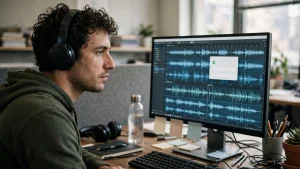
The work does not take over the machine. Gemini runs inside an isolated background window, with a live preview inside the chat, so the main screen and the cursor stay free. A person can keep typing, designing or taking a call while the task runs in the other window.
Google lists four starting uses in the post itself. One is batch color-grading photos in design software. Another is setting up a complex 3D scene. A third pulls weights, dimensions and addresses out of local PDFs and enters them into shipping quote forms that have many separate boxes. A fourth pulls metrics and screenshots from live dashboards in several regions and builds a presentation in Google Slides.
A fifth example covers resale work. Gemini can look at clothing photos in a local folder, research pricing, log item details and stage listings on resale platforms. That is a long chain of small steps, and it is the kind of chain the feature is built for, because each step is ordinary on its own and tedious in sequence.
Control stays with the account holder. Google says a person chooses which apps Gemini can access, watches every step live in the preview, can pause the work at any time, and approves key actions before they happen. Those controls are part of the launch post, not a separate help page added later.
Mac support follows a wider push to let assistants act inside software rather than only answer questions about it. This site covered a related step this week in Perplexity Multiagent, which puts 16 agents on one job, and the Mac feature takes a different route to a similar end. Instead of splitting work across many models, it gives one assistant a window of its own on a single computer.
Requirements are narrow at launch. Coverage of the rollout puts the floor at an Apple Silicon Mac running macOS Sequoia 15.0 or later, for users aged 18 or older. Google has not given a date for other countries or languages, and the launch post says only that the rollout is in English in the United States.
The download point is specific too. Google directs Mac users to gemini.google/mac to get the app. Anyone who already has the app still needs the update that carries computer use, and the feature appears only for the paid tiers named above.
There is a practical test built into the design. Because the preview shows each step as it happens, a user can spot a wrong file or a wrong field early and pause the run, rather than finding the error after a form has been submitted. Google built that visibility into the first version instead of adding it after complaints.
For offices that live in PDFs and web forms, the shipping example is the clearest one. A single quote can mean reading three documents and typing the same address three times. Handing that sequence to a background window frees the person for the call or the design work that was waiting behind it.
Google has not published speed figures, task success rates or a list of supported apps beyond the examples in the post. Those numbers will matter once more subscribers have the feature and start running longer jobs. For now the confirmed facts are the date, the tiers, the background window and the four named workflows, all stated in the November 19 post signed by Friedman.
Google’s own framing in the post is about time saved on work that normally takes dozens of clicks. That claim is easy to test in a small way. A person can hand Gemini one shipping form, watch the preview, and count the fields it fills correctly before approving anything. The approval step gives that test a natural stopping point, so a first trial does not have to end with a submitted form.
There is also a limit that the launch post states by omission. Google does not say Gemini can work in every Mac app, and it does not promise that a task will finish without help. The controls it does describe, choosing apps in advance and pausing at any time, suggest a tool meant to run beside a person for stretches of minutes, not a tool meant to be left alone for an afternoon.
The Mac release also lands on hardware that many subscribers already own. Apple Silicon has been the standard Mac chip line for years, and Sequoia is a current system release, so the requirements describe a large share of the Macs now in daily use. The narrower gate is the subscription tier and the United States rollout, both of which Google can widen without any change to the app itself.
The pace of these releases is not limited to software. Research coverage on this site this week ranged from agent systems to a near-linear algorithm for the four color theorem, and the Mac feature sits at the applied end of that run, in tools a subscriber can open today.
读者也可以在 News Today World, Manhattan Mogul, Newsy USA, The American Newsroom, Revista Minutos 和 Le Miroir Francais 阅读本报道的其他版本。

































Be First to Comment