
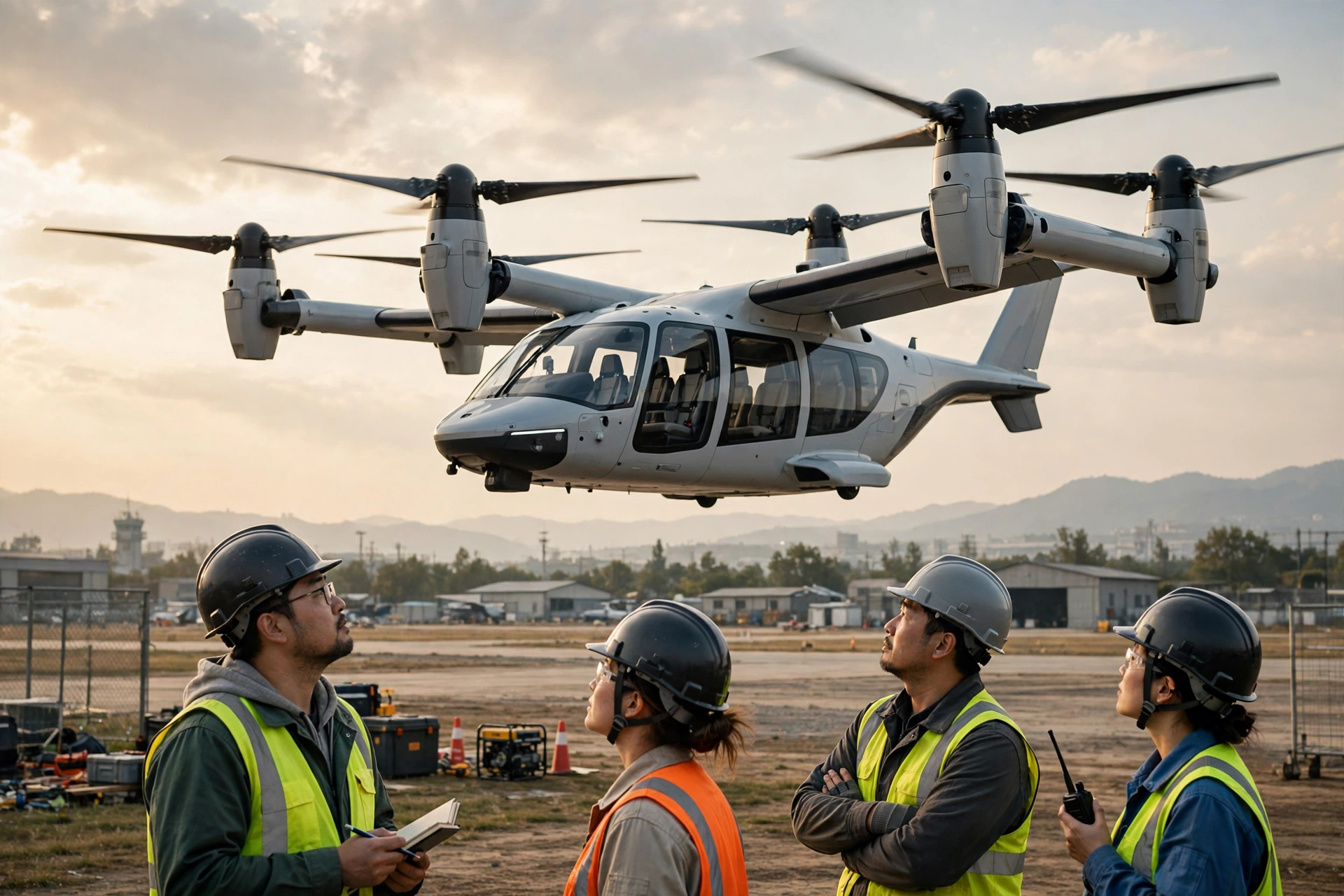
小鹏汇天在11月22日宣布,其全尺寸A868飞机已经完成倾转过渡试飞,从垂直起飞状态转入依靠机翼飞行的前飞状态,然后再转回来。公司表示,这是中国制造商第一次用全尺寸倾转旋翼原型机完成这一动作。
倾转过渡是倾转旋翼飞机最关键的一段飞行。起飞时旋翼朝上,飞机可以像直升机一样从停机坪垂直升起。随后旋翼一点一点向前倾斜,直到机翼接替旋翼承担升力,旋翼则变成推进螺旋桨。如果这一步处理不好,飞机会在转换过程中失去升力。能够反复完成并留下影像和数据记录,设计才算真正走出了图纸阶段。
A868是小鹏汇天两个飞机项目中较大的一款。它可以乘坐六人,定位是中长距离商务出行,而不是同一座城市内的短途跳跃。公司在2025年AI Day发布这款飞机时公布的设计指标是航程超过500公里,最高速度约每小时360公里,并采用混合电动力系统,把航程拉长到纯电池方案难以达到的水平。
A868机身与六个倾转旋翼
A868的每一个旋翼都可以倾转。公司把这称为全倾转构型,它和只有部分旋翼能动的半倾转设计不同。六个倾转螺旋桨分布在高翼和V形尾翼上。这样的布局让飞控系统在过渡阶段有更多办法保持飞机平衡,而过渡的几秒钟正是倾转旋翼飞行中最难的一段。
小鹏汇天对这款飞机的试飞已经进行了约一年。项目是一步一步走过来的,先是悬停,再是低速下的部分倾转,最后才是公司在周日宣布的完整模式转换。每一步都会产生数据,供适航工程师与地面模型核对,其中过渡数据最重要,因为它覆盖了飞机既不是直升机也不是普通飞机的飞行状态。本站近期的科技报道也显示,人工智能和自动化正在多个行业同时提速,例如Baseten的bison-1在决策指数中居首,以及Claude电脑操作功能进入团队版测试。
在全球范围内,能展示全尺寸倾转过渡的公司并不多。美国的Joby Aviation已经用自己的飞机完成过这一动作,其他几个项目还在向这一步推进。小鹏汇天加入这一行列,改变了中国市场的竞争格局。中国的低空经济已经吸引了大量投资,监管部门也在逐条航线地建立载人电动飞机的规则。
两个产品,两种用途
小鹏汇天的另一个产品是陆地航母,一辆六轮汽车,后部可以装一架可拆卸的双座电动飞机。公司对两个方向的描述很清楚,陆地航母偏向休闲飞行,A868偏向高效的通用航空。陆地航母面向个人买家,A868面向运营商。这类车队买家不太在意新鲜感,更在意300公里航段上每个座位的成本。
这也解释了为什么A868要用混合动力。一架能坐六人、能飞500公里的纯电动飞机需要背一块很重的电池。加上一个烧油发电的发电机,是用一部分纯电动的理想换取运营商真正能排班的航程。在中国,区域航线的旅客会拿它和高铁时刻表比较,而不是拿它和其他原型机比较。
整个行业也在同一时间往前走。本周,一架EHang无人驾驶载人飞机在日本山梨县搭载了一名乘客飞行,法国的Ascendance ATEA混合电动力原型机也在图卢兹附近开始地面测试。设计路线各不相同,有多旋翼,有倾转旋翼,也有升力加巡航构型,但各家的测试日程现在重叠在了一起,这本身就是新变化。
小鹏汇天还没有公布A868的取证日期,也没有公布首家客户。项目公开清单上的下一步是扩大试飞范围,以及随后的适航数据收集。11月22日的过渡飞行是这款飞机必须先通过的一关,通过之后,后面的工作才能真正开始。
English
XPeng AeroHT announced on November 22 that its full-scale A868 aircraft has completed a tilt-transition test flight, moving from vertical lift to forward, wing-borne flight and back again. The company says it is the first Chinese maker to complete that maneuver with a full-scale tiltrotor prototype.
Tilt transition is the part of a flight where a tiltrotor earns its keep. The rotors start pointing up, so the aircraft can rise straight off a pad. Then they tilt forward, degree by degree, until the wing takes over the work of holding the machine up and the rotors act as propellers. Get it wrong and the aircraft runs out of lift in the middle of the change. Get it right, repeatedly and on camera, and a design stops being a rendering.
The A868 is the larger of the two aircraft programs AeroHT is running. It seats six people and was designed for medium- and long-distance business travel rather than short hops across one city. Figures the company published when it unveiled the aircraft at its 2025 AI Day put the design range above 500 kilometers and the top speed at about 360 kilometers per hour, using a hybrid-electric system to stretch the distance beyond what batteries alone would allow.
The A868 airframe and its six tiltrotors
Every rotor on the A868 tilts. That is what the company means by a full-tilt configuration, and it separates the aircraft from semi-tilt designs where only some rotors move and the rest stay fixed in the lift position. Six tilt-props are spread across the high wing and the V-tail. The arrangement gives the flight-control system more ways to balance the aircraft during the transition, which is the most demanding few seconds of any tiltrotor flight.
AeroHT has been flight-testing the type for about a year. The program reached this point in steps: hover work first, then partial tilts at low speed, then the full change of mode that the company announced on Sunday. Each step produces data that certification engineers can check against the models they built on the ground, and the transition data matters most because it covers the flight condition where the aircraft is neither a helicopter nor an airplane.
Only a small group of companies worldwide have shown a full-scale tilt transition. Joby Aviation in the United States has completed the maneuver with its aircraft, and several other programs are still working toward it. AeroHT joining that group changes the competitive picture in China, where the low-altitude economy has drawn heavy investment and where regulators have been building the rules for crewed electric aircraft route by route.
Two aircraft, two jobs
AeroHT’s other product is the Land Aircraft Carrier, a six-wheeled road vehicle that carries a detachable two-seat electric aircraft in its back. The company describes the pair as two directions: recreational flight with the carrier, efficient general aviation with the A868. The carrier is built for owners. The A868 is built for operators, the kind of fleet buyers who will care less about novelty and more about cost per seat over a 300-kilometer leg.
That split also explains the hybrid system. A battery-only aircraft sized for six people and 500 kilometers would carry a very heavy pack. Adding a generator that burns fuel to keep the batteries charged trades some of the purity of an all-electric design for range an operator can actually schedule. Travelers on regional routes in China, where high-speed rail already sets a high bar, will judge the aircraft against the train timetable, not against other prototypes.
The wider field is moving at the same time. This week a pilotless EHang aircraft carried a passenger in Yamanashi, Japan, and in France the Ascendance ATEA hybrid-electric prototype began ground testing near Toulouse. The designs differ – multicopter, tiltrotor, lift-and-cruise – but the test calendars now overlap, which is new.
AeroHT has not announced a certification date or a first customer for the A868. The next items on the program’s public list are expanded flight testing and the certification data campaign that follows it. The transition flight on November 22 is the gate the aircraft had to pass before either of those could start in earnest.
这篇报道的版本还见于News Today World, Manhattan Mogul, Newsy USA, American Morning Herald, Revista Minutos and Le Miroir Francais。
Watch the Short on YouTube:

































Be First to Comment